End of August is the time when strawberry beds finish their main fruiting, but this is no reason to take the "load" off them and leave the plants to their own devices until spring. It is precisely during this period that the plant lays the foundation for the future harvest: it forms buds, restores the root system, and builds up reserves. According to current agrotechnics, neglecting autumn care directly affects the size and quantity of berries in the following season. In this article, we break down the key stages of preparation, drawing on the recommendations of gardeners and specialists from Penn State Extension.
Cleaning the Bed and Controlling Runners
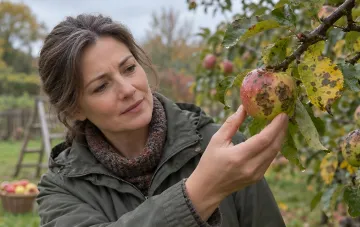
The first and most important step is to remove everything unnecessary. Dry, damaged, and diseased leaves, as well as plant debris around the plants, must be removed: if the plants showed signs of disease or pests, such leaves should absolutely not be left on the bed, as they become a source of infection. The "runners" deserve special attention. If you do not plan to propagate strawberries, it is best to cut off the extra runners — they drain nutrients from the mother plant that could otherwise go toward forming fruiting buds. Only keep the plantlets that you actually need for new planting material.
What Not to Do: The Myth of Cutting "to the Ground"
A common mistake is to completely cut healthy plants "to the ground." Agrotechnicians emphasize that this should not be done: it is enough to remove old and damaged leaves, leaving the young leaves and the plant's crown intact. It is precisely the remaining green mass that continues photosynthesis and helps the plant accumulate reserves for winter. At the same time, in dry weather, strawberries need watering: after fruiting, the plant continues to develop, the soil should be moist, but you should not turn the bed into a swamp.
Autumn Feeding and Mulching
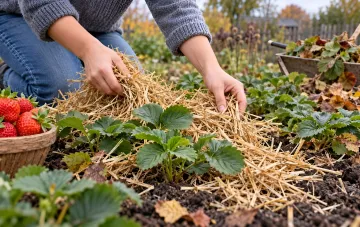
After the harvest, the plant needs nutrients to recover and prepare for winter, so autumn feeding is important, taking into account the soil condition and the needs of the specific variety. Key warning: do not overdo nitrogen fertilizers at the end of the season. They stimulate active growth of green mass, whereas before winter it is more important for the plant to gradually enter a state of dormancy. Before the cold sets in, also take care of mulching — a layer of organic mulch will protect the root system from temperature fluctuations. However, do not cover the strawberries too early: wait for a sustained drop in temperature.
Bed Renovation According to the Penn State Extension Method
Specialists from Penn State Extension recommend carrying out so-called bed renovation after fruiting: not just removing leaves, but thinning out the plants and narrowing the rows. If strawberries grow too densely, the plants lack space, and the berries next year may be smaller. According to their recommendations, rows should be narrowed to about 15–30 cm, leaving about 8–10 cm between strong plants. Another nuance pointed out by experts is not to rush the autumn covering: it is better to mulch strawberries after the plants have already adapted to the cold, since too early a covering can reduce their cold hardiness.
Summary for the Gardener
The summary is simple: clean the bed of diseased debris, cut off the extra runners, but do not cut the plants to the root, provide moderate watering, apply feeding without excess nitrogen, thin the plantings to the recommended intervals, and mulch the soil only after a sustained drop in temperature. Following this sequence is the guarantee that next season the plant will reward you with healthy greenery and an abundant berry harvest.