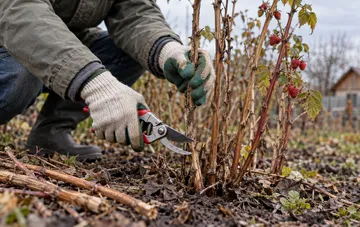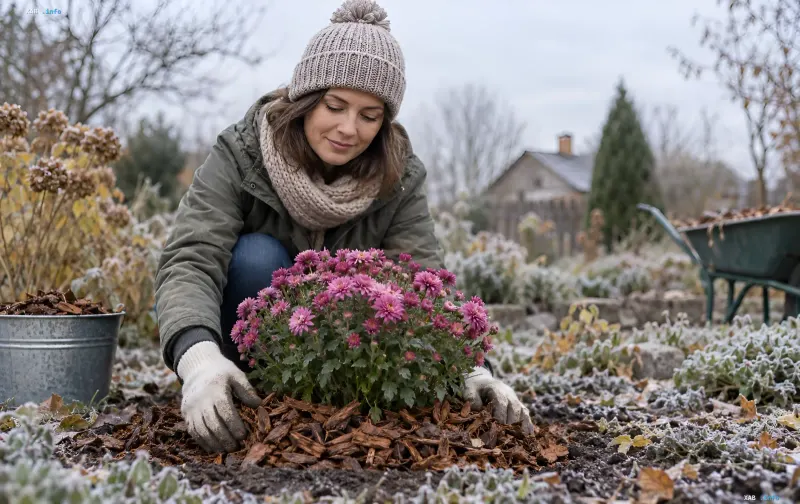
In November, chrysanthemums often continue to bloom, but with the arrival of steady frosts, a gardener's attention shifts from aesthetics to survival: the root system's condition determines whether the plant will bounce back in spring. According to Styler, citing extension recommendations from university services and the Royal Horticultural Society, preparing chrysanthemums for winter boils down to three main tasks: proper watering, timely (not premature) pruning, and root protection via mulch or indoor relocation.
Hardy and Decorative: Not All Chrysanthemums Are Alike
Specialists at the University of Minnesota emphasize that you cannot determine frost hardiness by the flower's appearance alone — you need to know the specific cultivar name and check its minimum temperature tolerance. Bred hardy perennial chrysanthemums can return annually after a cool season, whereas many decorative potted varieties are not built for open-ground wintering. Even hardy plants in regions with severe winters require extra protection.
Watering and Pruning: Do Not Rush While the Bush Is Blooming
According to University of Illinois guidelines, chrysanthemums need steady moisture but poorly tolerate waterlogged roots; as steady frosts approach, moisture demand drops, so watering should be gradually reduced based on weather and soil conditions. If the bush is green and blooming in November, there is no need to rush pruning. The Royal Horticultural Society (RHS) advises pruning chrysanthemums intended for winter storage only after blooming finishes, leaving stems about 20 cm tall, while young bushes overwintering in the ground should keep their stems until at least the first hard frosts.
Mulch and Crown Protection
The Virginia Cooperative Extension recommends leaving stems and foliage intact through the first year until heavy frosts arrive, as they protect the plant's base. Mulch smooths out drastic soil temperature fluctuations, which is vital because repeated freezing and thawing pushes roots closer to the surface where they are vulnerable. The cover must remain loose; a dense, wet layer traps excess moisture. In spring, when the threat of heavy frost passes, the mulch should be gradually pulled back from the crowns.
Potted Chrysanthemums and Indoor Relocation
Soil in small containers freezes faster than in open ground, meaning even hardy potted plants can suffer. For winter storage, a cool veranda, frost-free greenhouse, or another room with a suitable temperature works best; an unheated glazed balcony does not always protect pots from freezing. If a chrysanthemum grows in the ground but the cultivar lacks hardiness, it can be dug up after flowering, its roots lightly packed in a moist substrate, and stored in a frost-free cool room, gradually reintroducing it outdoors after frosts pass in spring. Planting newly purchased blooming chrysanthemums in November is risky: the plant may not establish a strong root system before the ground freezes.
Fertilizers: Why They Stop in November
In the Royal Horticultural Society's November garden calendar, experts advise halting seasonal fertilization because active growth slows or stops in late fall, and unabsorbed nutrients can be leached away by autumn rains. Instead of feeding, root protection, correct watering, and preparing chrysanthemums for winter dormancy take priority.