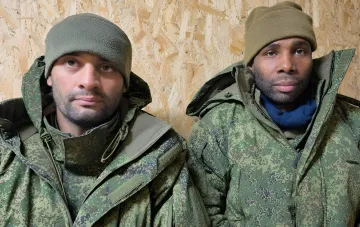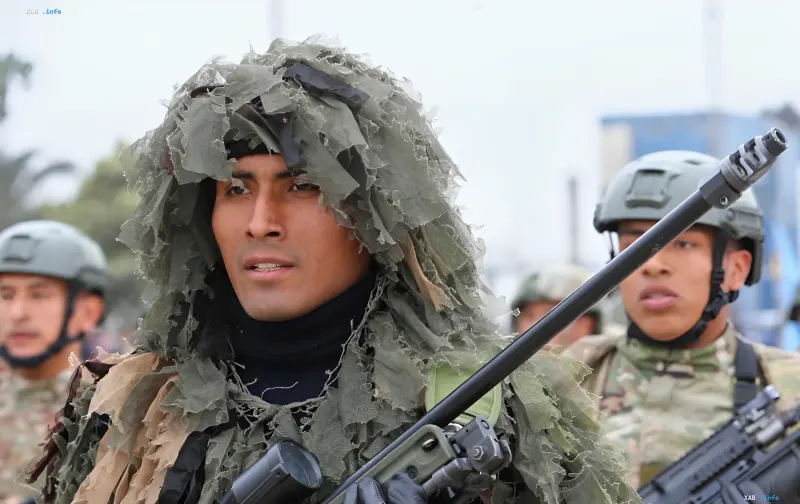
The Ministry of Foreign Affairs of Peru has officially confirmed for the first time the death of its citizens who participated in hostilities on the side of Russia against Ukraine. In a statement made on August 9, 2026, the ministry revealed shocking figures: among the recruited Peruvians, there are not only the dead but also those missing in action, as well as soldiers taken prisoner by the Armed Forces of Ukraine (AFU).
Official statistics of losses and evacuation
On Sunday, August 9, representatives of the Peruvian Ministry of Foreign Affairs presented a detailed report on the fate of their compatriots who were recruited to participate in the Russo-Ukrainian conflict. According to official data, a total of 459 Peruvian citizens enlisted in the ranks of the Russian army. Of this number, 11 people died during hostilities. Another 114 Peruvians are listed as missing in action, and three of them were taken prisoner by the Ukrainian armed forces.
In addition to tragic losses, the Ministry of Foreign Affairs reported on the work done to return citizens to their homeland. In total, 31 Peruvians were evacuated from Russia. Of these, 28 people have already returned to Peru, while three citizens chose to remain in European countries, guided by their own wishes. This decision highlights the complexity of the situation, where many of the recruited found themselves trapped in geopolitical events far from home.
Warning about human trafficking and recruitment
In its statement, the Ministry of Foreign Affairs of Peru emphasized warning citizens about the risks associated with recruitment. The ministry urged the population not to fall for "false job offers," pointing out that such promises are often part of criminal human trafficking networks. The Ministry of Foreign Affairs emphasized that to serve in the military of any other country, Peruvians must obtain official permission from their country's government. Any attempts to enlist in a foreign army without government sanction are considered illegal and dangerous.
Furthermore, the Ministry of Foreign Affairs urged citizens to be vigilant and report the activities of recruiters to the prosecutor's office and the national police. This was a response to the growing activity of recruitment networks that use economic difficulties and promises of high salaries to attract volunteers from Latin America.
Protests in front of the Russian embassy
The situation surrounding Peruvian mercenaries has caused wide public resonance in the country. Last Tuesday, the day before the official statement by the Ministry of Foreign Affairs, relatives of Peruvians recruited by Russia held a demonstration in front of the Russian embassy building in Lima. Participants in the rally demanded the immediate return of their loved ones, especially those who were wounded during hostilities. The protesters also insisted on receiving full information about the whereabouts of missing citizens.
These actions have become a symbol of the growing dissatisfaction of the Peruvian population with the situation regarding mercenaries. Relatives express concern not only about the physical safety of their loved ones but also about the lack of transparency on the part of Russian authorities, which have still not provided exhaustive data on the fate of Peruvians participating in the conflict.
Contradictory data
Although the Ministry of Foreign Affairs of Peru provided specific figures, there are certain discrepancies in the interpretation of this data. On the one hand, official statistics indicate 11 dead and 114 missing in action. However, relatives and human rights organizations claim that the real figures may be higher, as many cases of recruitment remain hidden. In addition, there are questions regarding the status of those listed as missing in action: it is unknown whether they are in captivity, dead, or simply fled from the authorities.
Also controversial is the question of how effectively the evacuation system works. Although the Ministry of Foreign Affairs claims the return of 28 people, relatives claim that the process is too slow and many wounded are still left in Russia without adequate medical care. These contradictions require further investigation and clarification by international organizations.