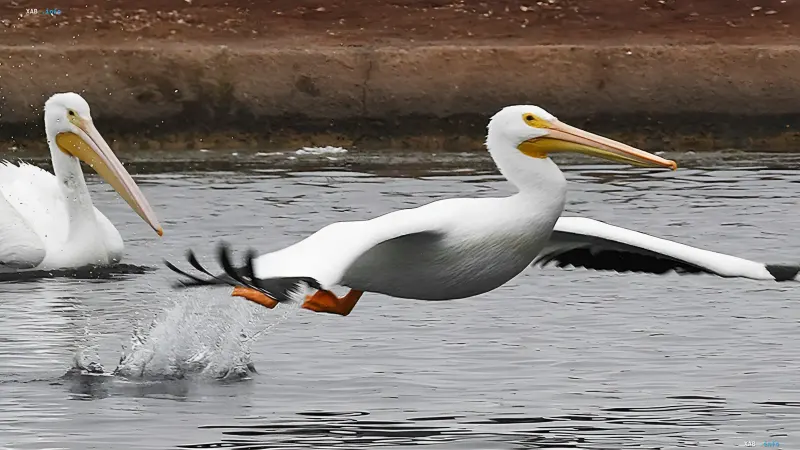
On Tuesday, November 17, 2026, seven Peruvian pelicans were released back into the wild near Lima after approximately a month of rehabilitation. The return of the birds to their natural habitat took place on a beach adjacent to the Los Pantanos de Villa nature reserve. The event was not merely a rescue operation for individual animals, but a landmark moment for the national conservation system: this day marked the grand opening of the country's first state facility specializing in the rehabilitation of marine wildlife affected by the El Niño phenomenon.
First State Center for Marine Animal Assistance
The new center was created through the joint efforts of the Peruvian wildlife service SERFOR and the Universidad Científica del Sur. According to the organizers, the facility is capable of treating more than 100 marine and coastal animals simultaneously. The center's staff provides veterinary care and supervised feeding, with release into the wild occurring only after the animal is deemed ready for independent life in its natural environment. This approach creates a continuous cycle: from rescue and stabilization to controlled return to the wild.
How the Pelican Rehabilitation Went
The seven pelicans, the first "graduates" of the new center, spent about a month in the facility. During this time, the birds underwent a course of veterinary observation and supervised feeding, which was necessary to regain their strength after the impact of unfavorable conditions. Only after the condition of the individuals was deemed sufficient for life in the wild were they released on the beach near the Los Pantanos de Villa reserve. The choice of location was intentional: the coastal zone near the protected natural area provides the pelicans with a familiar habitat and access to food sources.
El Niño and Its Impact on the Peruvian Coast
The center begins operations against the backdrop of ocean water warming associated with the El Niño phenomenon. The rise in water temperature disrupts food supplies in coastal zones and weakens marine birds along the Peruvian coast, making them more vulnerable and dependent on help. In such conditions, the creation of a specialized institution capable of accommodating a large number of animals simultaneously becomes a practical response to recurring climate stresses hitting the region's marine fauna.
Who Else Remains at the Center
In addition to the released pelicans, two Humboldt penguins remain at the facility for treatment. Their condition, according to the center's operating protocol, will be assessed by veterinarians until the birds are ready to return to the wild independently. Thus, Peru's first state marine wildlife rehabilitation center demonstrates the full spectrum of its functions immediately after opening — from admission and treatment to the controlled release of animals back into the wild.