In the context of the rapid evolution of modern conflicts, where unmanned aerial vehicles (UAVs) have become a key factor on the battlefield, Poland has decided to radically accelerate its program for creating anti-drone defense systems. Deputy Defense Minister of Poland Cezary Tomczyk officially confirmed that by the end of 2026, the country's armed forces will receive not one, but three batteries of anti-drone systems SAN (Systemy Antidronowe). This decision was made as part of a review of operational requirements and is intended to ensure faster protection against growing threats in the air.
A massive program: from one battery to 18 units
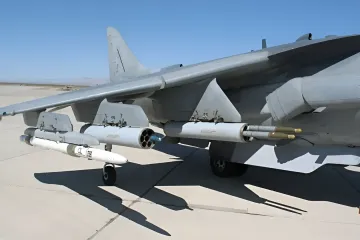
The SAN (Systemy Antidronowe) program was defined by Warsaw as one of the priorities in the field of air defense. According to updated plans, Poland intends to deploy a total of 18 specialized anti-aircraft batteries designed to intercept drones. Each battery represents a comprehensive solution, including several interception systems: APKWS missile launchers, anti-aircraft guns, machine guns, and its own interceptor unmanned aerial vehicles. The implementation of the program is carried out in the mode of "urgent operational requirements," which allows for accelerating procurement and the introduction of technologies.
Structure and armament of the SAN battery
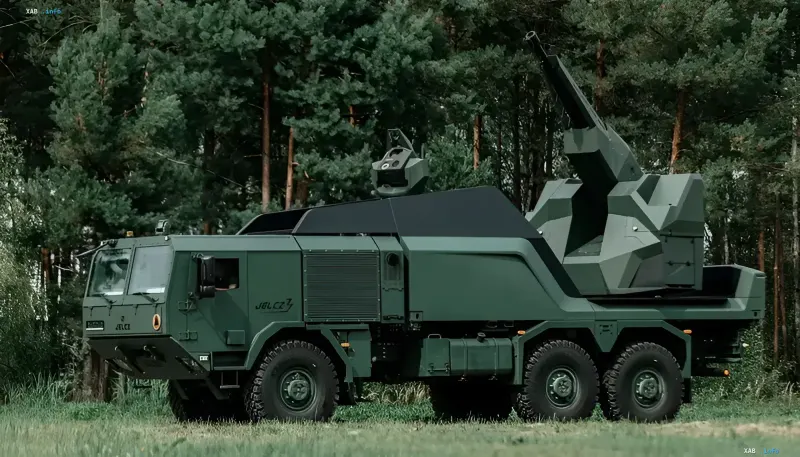
Each SAN battery will be organized into firing and support units. The battery will consist of three independent firing platoons and one support platoon. Firing platoons will be equipped with APKWS missile launchers, 35-mm and 30-mm guns capable of using programmable ammunition, 12.7-mm machine guns, and various types of interceptor unmanned aerial vehicles. The support platoon will be responsible for command vehicles, radars equipped with "friend-or-foe" identification systems, as well as logistics support vehicles. Such a combination of various types of weapons allows for the creation of a multi-level defense system, without relying on a single method of destroying UAVs.
Implementation deadlines and strategic goals
According to the plan, the entire SAN program will be completed within 24 months from the date of signing the contract, which corresponds to 2028. Poland claims that SAN is the fastest-growing program for countering unmanned aerial vehicles among NATO countries. This step is taken against the backdrop of the growing role of unmanned vehicles on the modern battlefield, creating a need for air defense systems capable of rapid response while simultaneously controlling interception costs. Accelerating deliveries by the end of 2026 will allow Poland to integrate new systems into its defense infrastructure faster and increase readiness for possible threats.
Contradictory data
Despite the official statement by Cezary Tomczyk regarding the receipt of three batteries by the end of 2026, some sources point to possible delays in the production and delivery of components, especially APKWS missiles and specialized interceptor UAVs. In addition, there is uncertainty regarding the exact completion dates of the entire program, as 24 months from the date of signing the contract may not coincide with the calendar year 2028 if the contract is signed later. These factors create a certain uncertainty in the implementation of the SAN program.