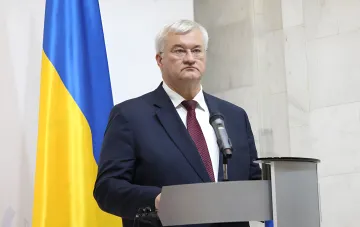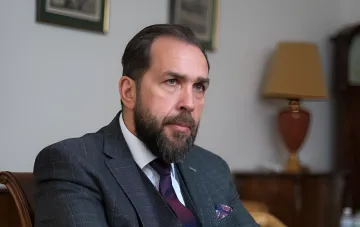
On October 21, 2026, Svyatoslav Sheremeta, a deputy of the Lviv Regional Council and director of the "Fate" Memorial and Search Center, was added to the Schengen Area's registry of undesirable persons. This was announced by Marcin Kierwiński via his X (formerly Twitter) account, according to RBC-Ukraine. Based on the published information, Sheremeta is barred from entering and staying in the Schengen zone for a period of five years—until October 20, 2031. According to available data, his inclusion in the relevant registry has already been officially processed.
Who Initiated the Listing and Why
The entry ban was initiated by Polish Minister of Foreign Affairs Radosław Sikorski, the report indicates. The decision was prompted by the stance of the Lviv Regional Council, which had previously adopted a resolution declaring 2027 as the Year of the UPA and Roman Shukhevych. From the Polish perspective, this very decision served as the trigger for placing the Ukrainian deputy on the undesirable persons list and imposing a five-year restriction on his entry and stay in the Schengen zone.
Context: The Dispute Over the 2027 Resolution
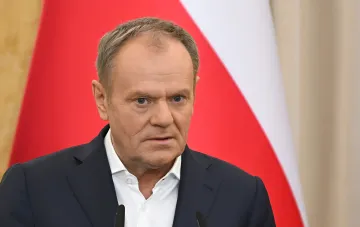
The Lviv Regional Council's decision sparked a sharp reaction in Poland. Warsaw demanded an official response from Kyiv to the local deputies' resolution, emphasizing that such steps damage bilateral relations between the two countries. According to RBC-Ukraine sources, the vote on this matter took place just as Warsaw was preparing a large-scale military aid package for Ukraine, and reports earlier indicated that Poland had suspended the provision of this package. Polish Prime Minister Donald Tusk reportedly described the Lviv Regional Council's decision as "suicidal tactics."
Kyiv's Reaction
For its part, the Ministry of Foreign Affairs of Ukraine criticized the Lviv Regional Council's decision, noting that it had provoked a scandal with Poland. The diplomatic ministry stated that raising historical issues in such a format is counterproductive and urged Warsaw to refrain from mutual accusations and drastic steps. Thus, Kyiv is distancing itself from the position of the local deputies in an attempt to smooth over the diplomatic conflict with its neighboring country.
What This Means for Bilateral Relations
The five-year Schengen entry ban against a sitting regional deputy is a noticeable diplomatic signal that goes beyond standard practice, highlighting the depth of Polish frustration. The combination of the suspended military package, public statements by Poland's leadership, and the sanctioning tool of the undesirable persons registry shows that the historical issue surrounding the UPA is once again becoming one of the most acute points in the Ukrainian-Polish dialogue. For Kyiv, the task now is not only to officially respond to Warsaw's demands but also to avoid further escalation that could affect other areas of cooperation.