On September 28, 2026, Polish Deputy Minister of Defense Cezary Tomczyk officially announced a fundamental change in military procedures regulating the actions of combat aircraft and helicopter pilots when encountering air objects penetrating from Russia. This decision was made amid escalating air incidents and repeated attempts to test the air defense system of NATO's eastern flank.
New Air Target Intercept Protocols
Until now, Polish pilots were required not only to record target parameters using onboard radar stations but also to visually identify the object before receiving authorization to open fire. As Cezary Tomczyk explained during talks with journalists in Dęblin, this requirement forced pilots to waste precious seconds closing in on a potential threat for precise visual recognition.
Amid the rapid movement of modern cruise missiles and strike UAVs, such a bureaucratic procedure posed serious security risks to the country. Consequently, the Polish Ministry of Defense decided to abolish the strict requirement for mandatory visual identification, shifting decision-making procedures to radar data.
Practical Consequences and Reduced Response Time
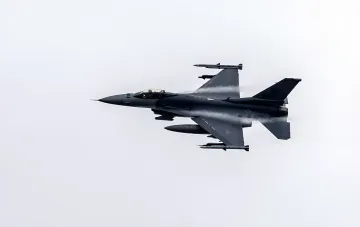
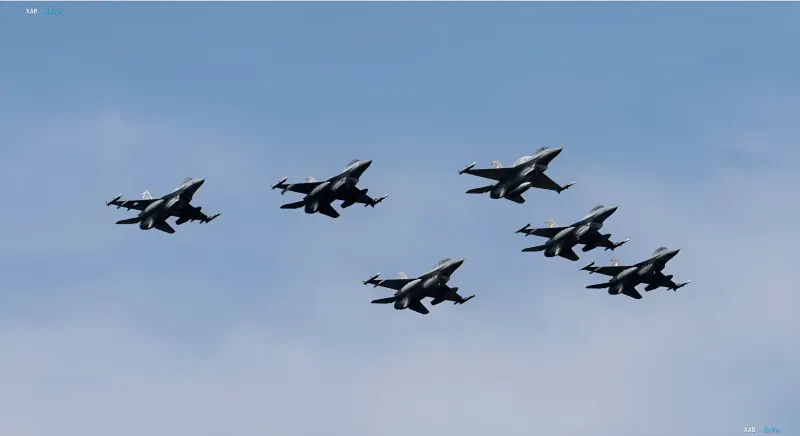
"Once the changes are made, it will be enough for the pilot or combat group commander to simply read the radar data to make a decision to fire," the Polish deputy minister emphasized. This approach will significantly speed up operational decision-making, allowing F-16 fighter jets and other air defense forces to instantly respond to air provocations and effectively destroy Russian drones and missiles.
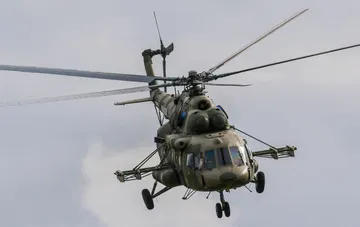
Experts note that the need for such measures has been overdue. For instance, on September 23, another incident occurred when a Russian Mi-8 helicopter from the Kaliningrad Oblast invaded Polish airspace by 300 meters and remained there for 42 seconds. In response, Warsaw was forced to scramble fighter jets, and the Operational Command of the Polish Armed Forces characterized the event as a deliberate test of the national air defense system's combat readiness.
Contradictory Data
While official statements from the Polish Ministry of Defense emphasize the need to immediately eliminate administrative barriers to protect air borders, debates have emerged in the expert community and Western media regarding the legal and diplomatic consequences of this step. Politico and Kyiv Independent note that simplifying weapons use rules could significantly increase tensions between Warsaw and Moscow. At the same time, there is a divergence in assessments of escalation risks: the Polish leadership relies on last year's statements by Foreign Minister Radosław Sikorski about readiness to shoot down any violators, while some analysts fear uncontrolled expansion of incident scales in the border zone.
Notably, Poland already has precedents for successfully destroying air targets over its territory. Last year's stern warnings from the Polish foreign policy department ("You have been warned") are now reinforced by real changes in military legislation and operational protocols, demonstrating Warsaw's determination to defend its sovereignty by all available means amid ongoing hybrid and conventional tensions in the region.