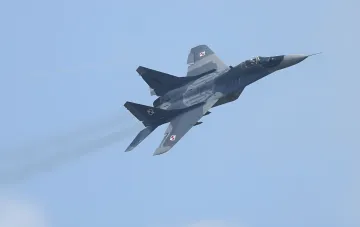
Starting October 1, 2026, Poland is officially implementing radically new procedures governing the identification and destruction of hostile air objects within the country's sovereign airspace. This reform aims to significantly enhance national security and reduce decision-making time in the face of escalating geopolitical threats. The decision to introduce the updated protocols was made against the backdrop of regular incidents involving the penetration of drones and missiles during large-scale Russian shelling of Ukrainian territory.
Essence of the Innovations and Abandonment of Visual Contact
The main conceptual change is the elimination of the strict requirement for mandatory visual identification of an object before its destruction. Previously effective peacetime regulations required Polish fighter pilots to closely approach a suspicious target for detailed visual confirmation. Now, the military will be able to use weapons based on so-called positive identification, combining data from modern radar stations, information about the object's presence in restricted zones, and valuable intelligence promptly shared by the Ukrainian side.Leadership Statements and the Legal Status of the Reform
As officially reported by Poland's Minister of National Defense Władysław Kosiniak-Kamysz, a report on the full readiness of the new rules was presented to him by the Operational Commander of the Armed Forces, General Ireneusz Nowak. Notably, implementing such a large-scale reform did not require amending national legislation or parliamentary approval. The new rules are introduced directly at the level of the military department and the army, detailing the operational algorithms for pilots and air defense crews.