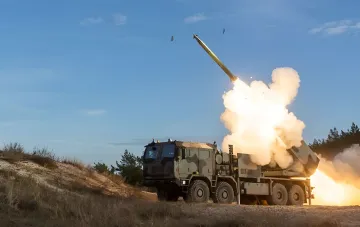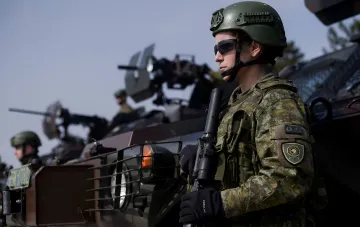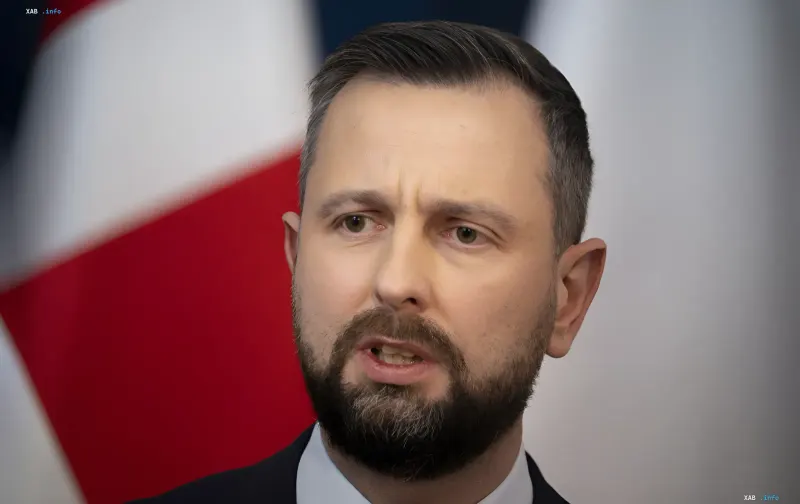
Poland has launched the development of a large-scale special bill aimed at comprehensively preparing the state and defense forces to operate in a state of full readiness in the event of a major war. This was officially announced by Deputy Prime Minister and Minister of Defense of Poland Władysław Kosiniak-Kamysz, citing authoritative Polish outlets RMF24 and Rzeczpospolita. The main driving force behind the creation of this unprecedented document is the detailed analysis and practical lessons learned from the ongoing war in Ukraine. Warsaw intends to take into account all modern hybrid challenges faced by Kyiv in order to minimize risks and strengthen its own national security.
Essence of the Initiative and Background
The primary and strategic goal of the new law is to reliably bridge the historical and legislative gap between the peacetime functioning of the country and the formal introduction of martial law. The head of the Polish defense department emphasized that the current government must act proactively and be fully prepared for the worst-case scenarios amid rapidly growing security threats. The pretext for such radical measures includes regular security incidents: airspace violations by foreign missiles and attack drones, constant cyberattacks, attempted sabotage at critical infrastructure facilities, and damage to communication cables on the Baltic Sea floor.
Key Innovations and NATO Synchronization
The draft document is designed to fundamentally eliminate gaps in current legislation and significantly accelerate decision-making processes by the military-political leadership. Key innovations provide for the possibility of rapid deployment of national armed forces and NATO allied contingents for the immediate declaration of martial law. In addition, the law will ensure the full synchronization of Poland's defense planning with the alliance's joint military systems.
Critical Infrastructure and New Defense Rules
Special attention in the bill is paid to the deep modernization and protection of the state's critical infrastructure, as well as a significant expansion of specialized services involved in national defense. The document also provides for a substantial update of training programs and regulations governing the actions of civilian specialists in leadership positions during protracted crises. Polish Prime Minister Donald Tusk has repeatedly warned citizens that extremely difficult weeks and months lie ahead as military clashes approach the republic's borders, and updated rules for destroying aerial violators without visual identification took effect on October 1.
Controversial Data
During interdepartmental consultations and expert discussions, certain debates arose regarding the timeline for the final adoption of the bill. While representatives of the Ministry of Defense insist on maximizing the acceleration of procedures to submit the document to the Sejm due to the acute current situation on NATO's eastern flank, a number of opposition deputies express concerns over a potential excessive expansion of executive emergency powers without proper parliamentary oversight. Nevertheless, the government continues to insist that the proposed measures are without alternative.