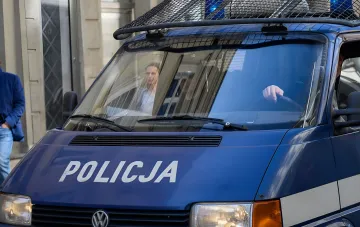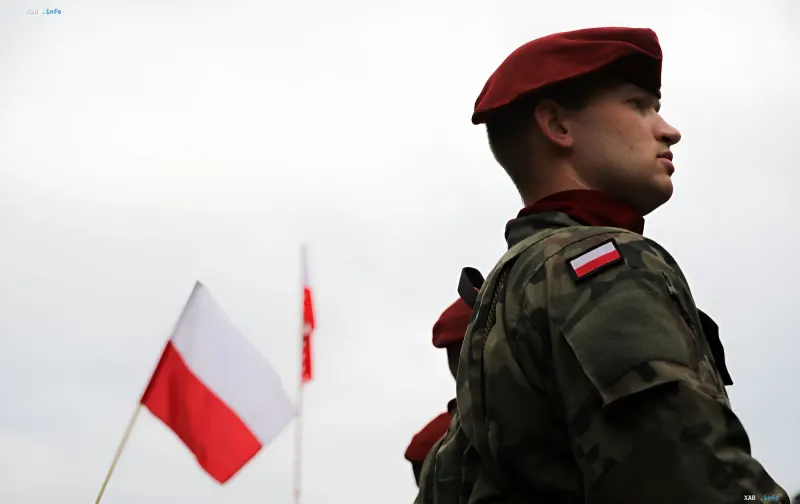
The General Police Headquarters of Poland has established a special command post and deployed a preventive operation in regions bordering Russia's Kaliningrad Oblast. This was announced by the head of the agency, Marek Boroń, who explained that the measures are preemptive and cover the Warmian-Masurian and Podlaskie Voivodeships. The decision was made following intelligence regarding potential acts of sabotage at the border, with actions coordinated from the command center at the General Police Headquarters involving the voivodeship offices in Olsztyn and Białystok.
Allied Warnings and Deployment of Additional Forces
According to Boroń, last week Polish authorities received warnings from military intelligence and allied secret services indicating that sabotage operations, including attempts by armed groups to infiltrate Polish territory, were possible along the Russian border. In response, additional police forces from several voivodeships were transferred to the border areas, counter-terrorism units joined the operation, and actions are being coordinated with the armed forces, border guard, and special services. "The police are ensuring the security of the border districts in the event of potential scenarios that could lead to sabotage acts," Boroń stated.
Context: Arrests and Expert Assessments
The tightening of security measures is part of a series of incidents that Polish authorities link to Russian intelligence and sabotage activities. Notably, on October 30, a 55-year-old Russian citizen suspected of working for foreign intelligence was detained in Świdnica; according to police, he was photographing trains and railway infrastructure. Earlier, the Institute for the Study of War (ISW) warned that Russia might increase its sabotage activity in Poland during the winter, identifying railway and logistics infrastructure as well as Western aid delivery routes to Ukraine as potential targets.
Regional Context: Reinforcements at the Kaliningrad Borders
The Polish measures coincide with similar steps taken by neighboring countries. In October, Lithuania's Defense Minister authorized the deployment of the military—up to one company, about 100 servicemen—to strengthen border security with Kaliningrad Oblast, citing signals about a potential influx of aggressively minded foreigners amid likely mobilization in the Russian Federation. Thus, both border states are simultaneously increasing control levels on their sections of the border with the exclave.
Denial of Connection to Internal Crisis
Separately, Marek Boroń stated that the increased presence of law enforcement and heightened security measures are not linked to the crisis surrounding Poland's Constitutional Tribunal. According to him, the operation is driven exclusively by the general situation in the country: the risks of sabotage, hybrid crime, and the activities of Eastern special services. According to the police chief, a significant number of law enforcement officers are operating on the ground.