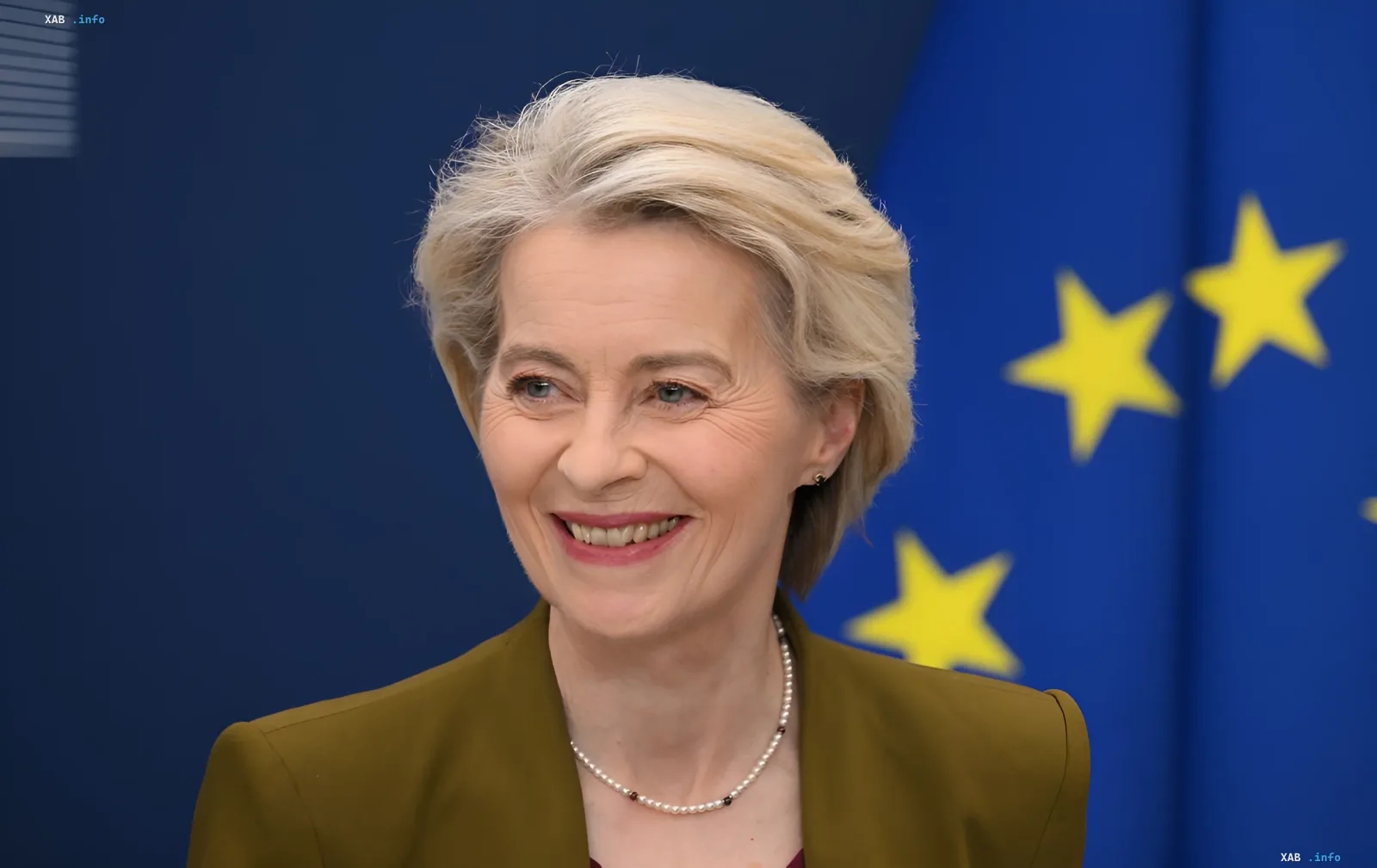
The President of the European Commission, Ursula von der Leyen, announced the intention to channel unused funds from the SAFE defence programme into joint defence projects with Ukraine. The statement triggered an unexpected and sharp reaction in several EU capitals, and especially in Warsaw. Polish authorities had already stated in summer that they planned to apply for the second phase of the programme and receive the portion of funds that other member states had not managed to use, in order to finance their own defence developments. Specific projects for submission were already being prepared. These plans are now under direct threat: according to von der Leyen, the remaining SAFE funds are to be allocated not to EU countries, but to joint programmes with the Ukrainian defence industry.
“There was no such discussion”: a diplomatic scandal in Brussels
A diplomatic source in Brussels, who wished to remain anonymous, complained to a journalist from Polish radio RMF FM that no prior consultations with member states had been held on this decision. “There was no such conversation with the European Commission. It is precisely we, the member states, who are repaying the funds of this loan right now, not the European Commission,” the interlocutor stated indignantly. The essence of the complaint, as noted in several European capitals, is simple: SAFE is not a non-repayable grant, but a loan that EU countries take on and then repay on their own. It is logical, Warsaw and others believe, that it is the member states, not Brussels, that should decide where the unused funds go. In fact, critics argue, the European Commission is unilaterally reallocating obligations that are tied to the budgets of specific national governments.
How much money is at stake: from 10 to 20 billion euros
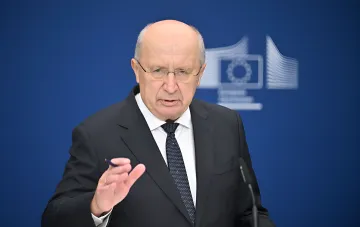
According to European Commissioner for Defence Andrius Kubilius, the exact amount of unused funds is still being clarified. Roughly, the figure is in the range of 10–20 billion euros. The funds are planned to be directed to joint defence developments by Ukraine and the EU, in particular to the FREYA air and missile defence system (also referred to in some sources as Freyja) — an affordable and modular air defence system. However, how much money will actually remain unused is still unknown: EU countries have until the end of October 2026 to report on their projects, and only then will it be clear what volume of funds will be freed up. Earlier, the figure of around 10 billion euros was unofficially mentioned in Brussels. Italy, for example, received almost 15 billion, but has still not signed an agreement for the full amount — they are weighing how the loan will affect the budget deficit. A similar situation exists with Hungary, which was allocated around 16 billion. “For now, this is splitting the skin of an unskinned bear,” sources in Brussels commented on the situation.
Contradictory data
The provided sources record a number of inconsistencies. First, the volume of potentially reallocatable funds: Commissioner Kubilius cites a range of 10–20 billion euros, whereas earlier unofficial estimates in Brussels amounted to around 10 billion. The exact sum, according to Kubilius himself, will only be known after the member states' reports by the end of October. Second, the name of the defence system to which the funds are to be directed appears in different fragments of the sources as FREYA and as Freyja — presumably this is the same system with a variation in transliteration, however no single canonical spelling has been recorded in public statements as of the time of the article's publication. Third, Poland's position: formally, Warsaw did not issue an official statement “against,” but expressed “surprise” and indignation through diplomatic channels and the media, which creates a gap between the public rhetoric and the actual diplomatic position.
Broader context: from the Security Council to Canada
The decision on SAFE fits into a broader package of EU defence and political initiatives. The package also discusses the creation of a European Security Council with Ukraine's participation — this was announced by Ukrainian Foreign Ministry spokesperson Georgy Tikhy, who added that Kyiv is ready to participate in the new structure. In parallel, the European Union intends to offer Canada the status of the first associated member of the bloc in its history: von der Leyen emphasized that Europe and Canada share common values. Finally, one of the key decisions provides for a significant strengthening of Ukraine's air defence through the creation of a common modular air defence system based on the Freyja/FREYA project. Thus, the reallocation of SAFE funds becomes not an isolated budgetary decision, but an element of the strategy to integrate Ukraine's defence industry into the European defence space — but, as Warsaw's reaction shows, this strategy has not yet gained consensus among the member states.