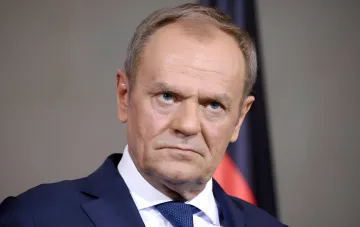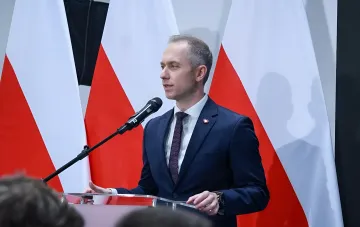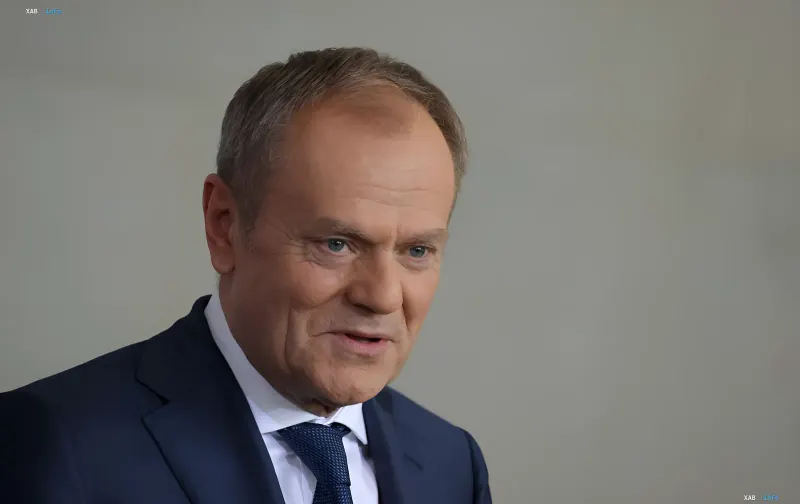
On August 15, 2026, years after the start of large-scale military modernization, Poland officially declared its ambition to become the continent's military superpower. Polish Prime Minister Donald Tusk, speaking in Gdynia at a ceremony dedicated to Armed Forces Day, announced an ambitious goal: the Polish army will become the largest and most modern in Europe. This statement marked the culmination of a multi-year strategy aimed at creating an impenetrable shield on NATO's eastern borders.
The Four Pillars Strategy: From Modernization to Economy
In his speech, Tusk detailed the concept of national security, which is based on four fundamental elements. The first is the physical fortification of borders, particularly at the junction with Russia and Belarus. According to the Prime Minister, billion-dollar investments and the efforts of law enforcement agencies have turned the eastern border into a zone where penetration has become impossible. The second and third pillars are powerful international alliances and unprecedented military-technical modernization. The fourth element, according to Warsaw, is the key driver of success: a dynamically growing economy. It is this economic growth, which in recent years has outpaced the indicators of most Western European countries, that allows Poland to allocate record funds for the purchase of advanced weaponry and the rearmament of units.
Support for Ukraine as a Matter of Survival
The Prime Minister paid special attention to the role of Ukraine in the regional security system. Tusk categorically rejected any speculation on the topic of "Polish-Ukrainian relations," stating that support for Kyiv in its confrontation with Russian aggression is not charity, but a direct investment in the security of the Polish people themselves. "We are doing this for ourselves, for the Polish people, and no one else," emphasized the head of government. In the context of 2026, when the war in Eastern Europe entered a new phase, Warsaw views a strong Ukraine as a strategic buffer necessary to prevent a direct clash with Moscow.
The Psychology of Deterrence and the Threat of Hybrid Attacks
According to Tusk, the main goal of creating the largest army in Europe is the effective deterrence of any potential enemy. "We are building forces that, by their modernity and numbers, will determine the fate of the region," noted the Prime Minister. He added that Poland no longer wants battles, but if they are inevitable, they must be victorious. However, despite rhetorical confidence, the real situation remains tense. Warsaw is recording an increase in the activity of Russian intelligence services. Recently, Polish law enforcement agencies detained a Russian citizen planning the murder of a US citizen of Ukrainian origin, and also neutralized a mercenary from Donbas who was preparing an assassination of the Ukrainian blogger Kyivstoner. These incidents confirm that the threat comes not only from the regular army but also from hybrid warfare methods.
Domestic Politics and Geopolitical Risks
Donald Tusk also warned against internal threats, pointing to politicians who are trying to undermine unity with the European Union or block security funding. According to the Prime Minister, such actions play into Moscow's hands. In conditions where Poland has become a key logistics hub and a military outpost of NATO, any internal disagreements can have catastrophic consequences. The pursuit of sovereignty and independence, which Tusk speaks of, requires the consolidation of society in the face of external threats.