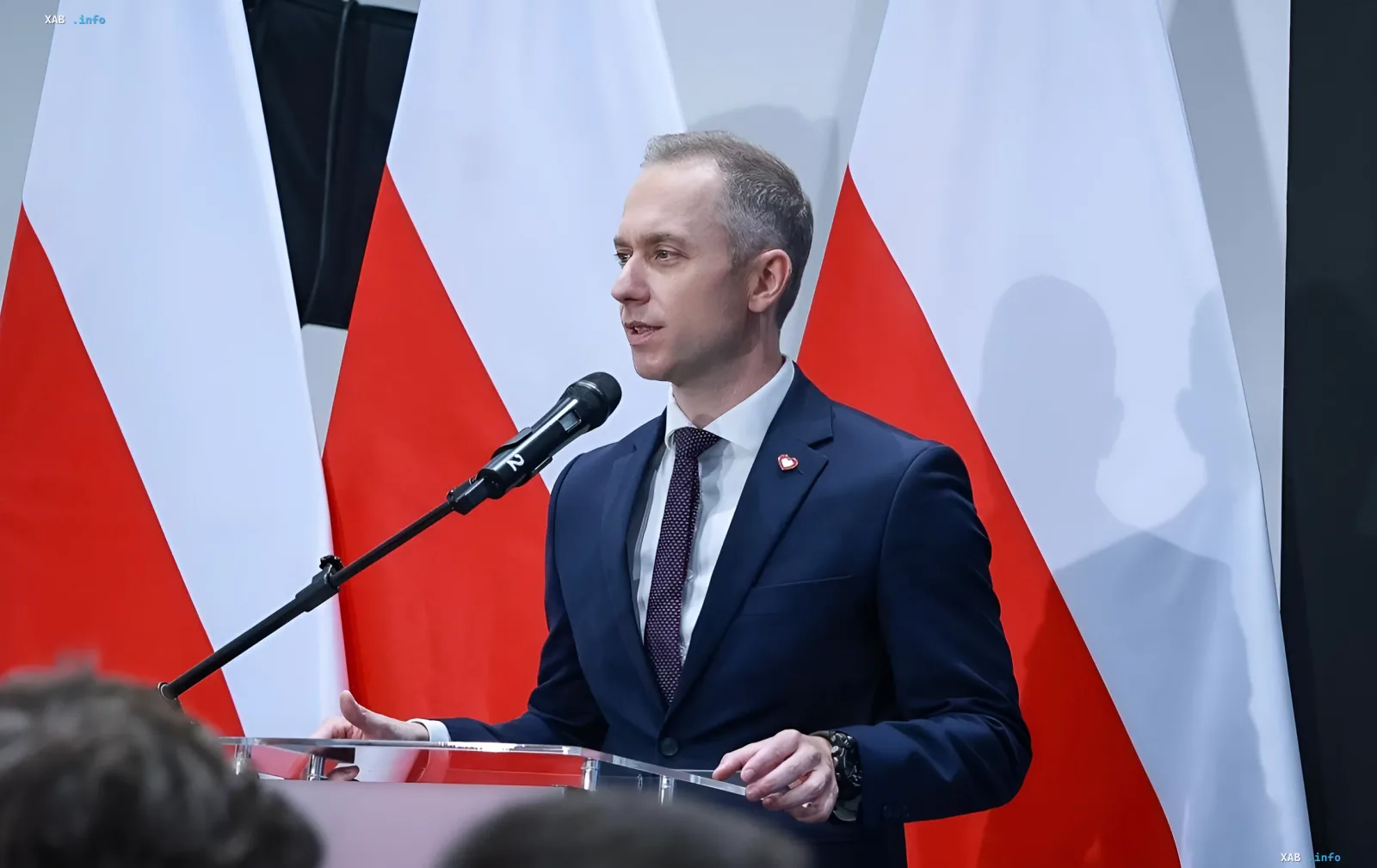
Cezary Tomczyk, Deputy Minister of Defence of Poland, stated in an interview with the TVN24 channel, as cited by RBC-Ukraine, that Russian shelling of western Ukrainian regions is a deliberate attempt to block the delivery of military aid to Kyiv. According to him, the coming months and, in particular, the upcoming winter period could significantly influence the course of combat operations in Moscow's favor, which is why Western countries must “immediately strengthen defensive support” for Ukraine. “Russia believes that this could become a turning point in the conduct of the war, and that today Ukraine also needs maximum support from the Western world in order to hold out in the war and be able to defend itself effectively against aerial attacks,” the official emphasized.
Logistics blockade as a tool of pressure
Warsaw views the strikes on territories bordering Poland not as random episodes but as a systematic strategy. The logic articulated by Tomczyk is that the destruction of infrastructure in western Ukraine makes it harder to deliver weapons and equipment coming through Polish and other European logistics corridors. Thus, each shelling near the border serves a dual function: it simultaneously inflicts damage on Ukraine's defense and exerts political pressure on EU countries, forcing them to reconsider the pace and scale of deliveries. In this context, Polish authorities stress that maintaining an uninterrupted flow of aid is a matter not only of Ukrainian but also of their own security.
Winter as a turning point
Tomczyk placed particular emphasis on the seasonal factor. In his assessment, it is precisely the winter period that Moscow sees as a window of opportunity to shift the balance of forces on the battlefield: deteriorating weather conditions, the strain on energy systems and logistics could be exploited to intensify pressure. In this connection, the Polish deputy minister urged Western capitals not to delay strengthening defensive support for Kyiv but to provide it “today,” so that Ukraine can effectively repel aerial attacks during its most vulnerable period. In essence, this argument turns the question of aid volumes from one of long-term planning into one of urgent decision-making.
Hybrid scenarios and a “test for NATO”
Tomczyk also stated that strikes near the Polish border are simultaneously a test for NATO. Citing CIA data, he reported that the Kremlin is considering scenarios of hybrid attacks against European states. “I do not want to reveal any sensational details here, but what we have seen in Germany — possible sabotage acts, a possible escalation of hybrid warfare, but on a scale we have not seen before, various kinds of operations could occur somewhere in border areas, for example, in the Baltic states, on the border with NATO,” the official noted, calling these scenarios “very real” and capable of escalating into “something much more serious.” Thus, the Polish side expands the frame of the threat from direct conflict to a spectrum of sabotage and hybrid pressure on the alliance's eastern flank.
The Yagodyn incident and Warsaw's reaction
The statements came against the backdrop of a specific incident: on 13 September, a Russian jet-powered drone attacked the locomotive of a civilian train at the Yagodyn railway station in Volyn Oblast, located near the border with Poland. Warsaw reacted sharply to the event: according to available reports, Prime Minister Donald Tusk convened an emergency meeting and, as reported, spoke of a possible imminent Russian invasion of his country. In the assessment of Polish authorities, this episode clearly demonstrates how close combat operations and sabotage risks are coming to the borders of the EU and NATO.
Contradictory data
At the same time, there are discrepancies in tone and emphasis in the public agenda. On the one hand, in the interview Tomczyk and, reportedly, Tusk use hard-line rhetoric about a “turning point,” a “test for NATO,” and a “possible invasion.” On the other hand, other Polish statements recorded in open sources (including in DW and BBC materials) emphasize Warsaw's restrained and calculated position on the issue of new military aid to Kyiv, as well as a focus on disclosing and publishing data on the scale of aid already delivered since 2022 in response to domestic criticism. In other words, the dramatic narrative of an “inevitable invasion” finds no direct confirmation in the sources that record a more pragmatic line by the government. Moreover, Tomczyk's key quotes rely on a single chain of attribution (RBC-Ukraine citing TVN24), which calls for caution when interpreting the most forceful formulations.
Context: how much and what Poland is transferring
It is important that the debate over supporting Ukraine in Poland is taking place against the backdrop of growing demands for transparency. As reported by BBC and Ukrainian business publications, Warsaw declassified and published data on military aid to Kyiv since 2022, thereby responding to criticism of the government over the pace and nature of deliveries. This creates a dual context for Tomczyk's statements: on the one hand, Poland demonstrates a readiness to report openly on its contributions, while on the other it insists that precisely now, ahead of winter, the scale and speed of aid must be increased so as not to allow a reversal in Moscow's favor and not to let hybrid scenarios spill beyond the border area.