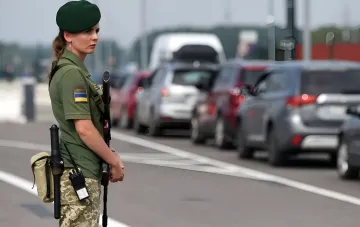
Warsaw is considering changes to the organization of traffic through the Ukrainian-Polish border crossings following a Russian strike near the border. This was reported by RBC-Ukraine, citing a publication by Polskie Radio. According to the outlet, the incident has prompted Polish authorities to review logistics at the border crossings, which, as the government notes, could become vulnerable to new strikes. The decision on specific measures, the prime minister said, will be refined at the level of the relevant ministries and services.
Warsaw's Response: Tusk Demands Eliminating the "Weak Spot"
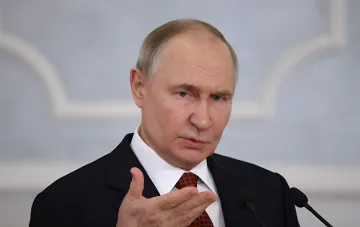
Polish Prime Minister Donald Tusk stated the need to speed up border crossings and prevent the accumulation of vehicles, which could become a target for new attacks. "There will be further discussion in the Ministry of Finance. Cooperation between customs officers, police, border guards, and the military must organize traffic so that no jams form, because this is becoming dangerous. It is important not to accumulate trucks carrying fuel at our border crossings. I shouldn't have to explain this, but this is our weak spot," Tusk emphasized. Thus, the issue concerns coordinating the work of customs services, police, border guards, and the military for faster passage of vehicles across the border and eliminating the concentration of easily vulnerable objects, primarily trucks carrying fuel.
Context: Strike on a Locomotive in Volyn
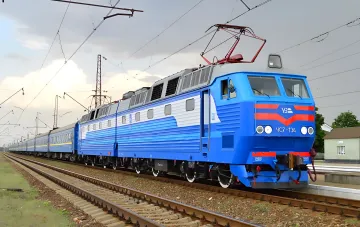
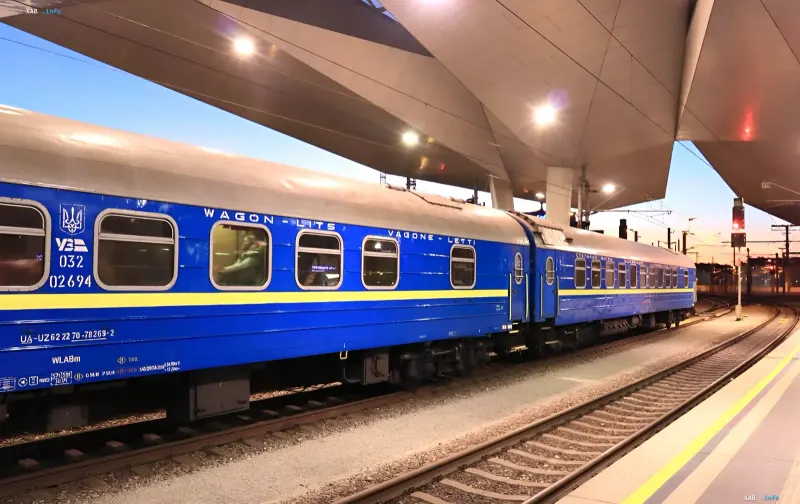
According to media reports, on September 13, Russian forces attacked the locomotive of a passenger train in Volyn, approximately two kilometers from the border with Poland. "Ukrzaliznytsia" reported that the threat was detected in advance by a monitoring team, which alerted the train crew, allowing them to avoid casualties. This incident, reportedly, was the direct trigger for discussing changes in the organization of traffic on the Polish side of the border.
What This Means for Logistics and Security
Tusk's statement indicates that Warsaw views border crossings not only as transport hubs but also as potential targets. The accumulation of freight vehicles, especially those carrying fuel, in conditions of attack risk creates a dual problem: both logistical (jams, delivery delays) and security (risk of mass casualties upon impact). The shift to a "fast passage" model without the accumulation of vehicles requires the synchronized work of several agencies and, likely, changes to schedules and transit regimes, which may affect delivery times for cargo between Ukraine and the EU.
Broader Context of Pressure on Border Infrastructure
As the outlet inforesist notes, Poland expects further Russian attacks on border crossings with Ukraine, confirming the systemic nature of the threat rather than a one-off incident. In this logic, measures to disperse traffic and prevent the concentration of vehicles appear as a preventive measure aimed at reducing the vulnerability of border infrastructure. The final package of decisions, the prime minister said, will be coordinated at the ministerial level, including the Ministry of Finance, indicating the possible allocation of additional resources for modernizing the transit regime.