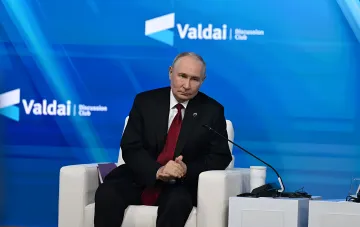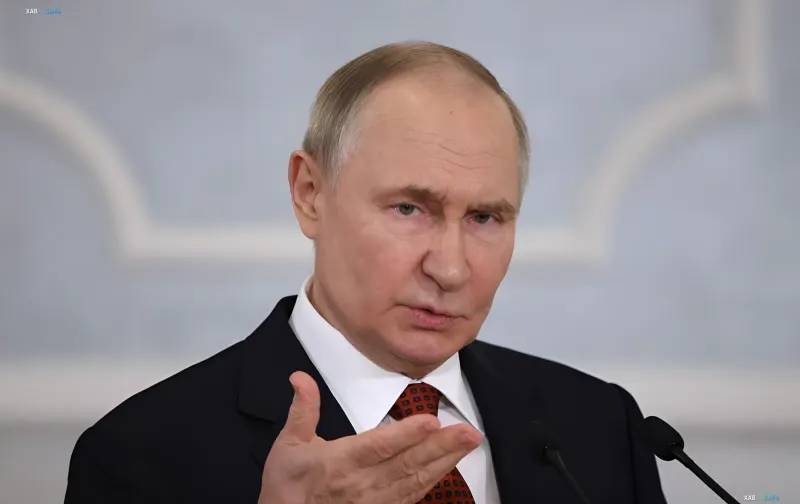
In August 2026, the geopolitical situation in Europe reached a critical point of tension. According to fresh data from US intelligence, published by The Wall Street Journal and reprinted by RBK-Ukraine, Vladimir Putin is considering the possibility of expanding hostilities beyond Ukraine, potentially affecting the territories of NATO countries. This scenario is being discussed against the backdrop of a prolonged stalemate in the war with Ukraine and the Kremlin's attempts to find new leverage against the West.
Strategy to Break the Deadlock: From Provocations to Invasion
Analysts believe that the main motivation for Moscow's potential aggressive move is the desire to break out of the strategic deadlock on the Ukrainian front. If the current dynamics of the war do not allow Russia to achieve its stated goals, the Kremlin leadership may attempt to "confuse" Western elites by opening a second front. According to intelligence assessments, the spectrum of possible actions ranges from large-scale cyberattacks on critical infrastructure and local provocations to a limited ground invasion of one of the Alliance countries. Such a move is intended to test NATO's resolve and create chaos among Western allies.
US Concerns: Ammunition Shortages and the Threat of a Dual Conflict
Particular concern in Washington is caused not only by the threat itself but also by the state of the arsenals. Anxiety is growing within the US intelligence community due to a shortage of critically important munitions. Current stockpile volumes, consumed in support of Ukraine, raise fears that in the event of a simultaneous escalation with Russia and a potential confrontation with China, the US could face a logistical collapse. It is precisely this factor that is forcing the US administration to consider the scenario of a strike on NATO as a real threat requiring an immediate review of deterrence strategies.
Contradictory Data
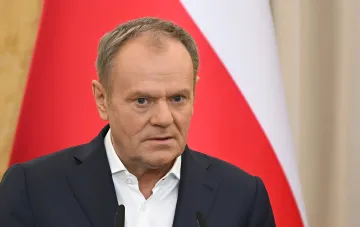
There are significant disagreements between various intelligence agencies and political leaders regarding the timing and probability of escalation. Polish Prime Minister Donald Tusk voiced a pessimistic forecast, stating that Russia could attack a NATO country within a few months. At the same time, most Alliance intelligence agencies lean towards the opinion that such actions are likely within the horizon of the next few years. Furthermore, although the probability of a direct ground invasion is assessed as low, experts note that this figure is gradually rising, making the situation extremely unstable.
Risks of Activating Article 5 and Plans for the Baltics
Until recently, the scenario of a direct invasion was considered extremely unlikely due to the inevitable activation of Article 5 of the North Atlantic Treaty, which provides for collective defense. However, as analysts note, in a desperate situation, Putin may take this risk. Additional concern is caused by information from Lithuanian intelligence, which warned of a new Russian plan directed against Ukraine and the Baltic states. Experts also point to Moscow's readiness to use the "false flag" tactic to carry out provocations, creating a pretext for conflict without admitting direct responsibility.