Russia's overnight attack on western regions of Ukraine in the night of September 13, 2026 forced Poland to scramble fighter jets. According to the Polish Joint Forces Command, some Russian drones operated and struck targets in close proximity to the Polish border, prompting Warsaw to assess the situation as a "real and imminent" threat. However, as the command emphasized, no direct violation of Polish airspace was recorded.
A "real and imminent" threat at the border
Colonel Jacek Goryszewski, a spokesperson for the Polish Joint Forces Command, explained that during the Russian attack, some drones operated and hit targets located just a few, and in some directions a few dozen, kilometers from Polish territory. According to the officer, it was precisely this proximity of the strikes to the state border that formed the basis for assessing the situation as a "real and imminent" threat to the country.
Four hours in the air and sirens in two voivodeships
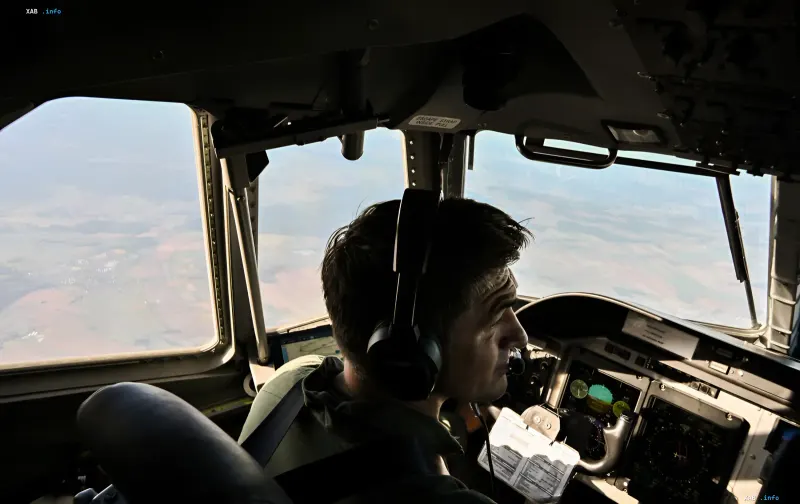
About four hours after the attack began, the Polish Joint Forces Command reported the use of military aviation in response to the activity of Russian jet-powered drones striking Ukrainian territory. The fighters operated within Polish airspace, and by 10:00 the operation had been completed. During the air operation, the government security center sent an air threat alert to residents of the Lublin and Subcarpathian voivodeships: in six counties of the Lublin voivodeship, an alert about a possible air attack was in effect for several dozen minutes and sirens sounded.
Alarm sounds in the Lublin voivodeship
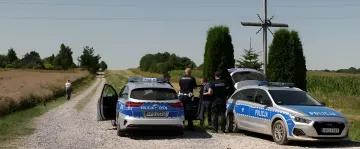
Against the backdrop of the attack, the Polish police received a notification about a possible explosion in the Lublin voivodeship. Law enforcement officers went to two settlements — Szczecin in Krasnystaw County and Stojeshin Pierwszy in Janów County — where they tried to identify the source of the alarming sounds but found nothing. The DORSZ system suggested that the loud sound may have been caused by fighter jets breaking the sound barrier during the air operation.
The border remained untouched
Despite the proximity of Russian strikes to the Polish border, no direct violation of the country's airspace was recorded. On the morning of September 13, Russian forces struck the area near the Ukrainian-Polish border in Yagodyn, which further increased the attention of Polish military to the situation on Ukraine's western border.
Contradictory data
Accounts of what exactly was the target of the morning strike in Yagodyn differ. Social networks had previously spread information about a direct hit on the "Yagodyn" border crossing point. However, SBU spokesperson Andrii Demchenko refuted these claims, stating that the strike did not directly hit the border crossing point. In turn, "Ukrzaliznytsia" reported that the Russian attack was aimed at the locomotive of a passenger train located about two kilometers from the Polish border. Thus, the question of the exact target and the nature of the damage in the Yagodyn area remains to be clarified.