A sharp political and legal conflict is unfolding in Warsaw, extending far beyond the national scale. The General Prosecutor's Office of Poland has officially appealed to the leadership of the European Parliament with an unprecedented request: to authorize the arrest and compulsory transfer of European Parliament member Grzegorz Braun to investigative authorities. This decision marks the culmination of a long-standing confrontation between law enforcement and the politician, known for his sharp anti-Ukrainian and pro-Russian statements.
List of charges: from violence to defamation
According to official data from the spokesperson for the General Prosecutor's Office, Anna Adamiak, Polish investigators have gathered a comprehensive package of evidence to present formal suspicions against Braun. The list of alleged offenses is impressive and covers a wide range of crimes. Specifically, the politician is accused of:
- Unlawful deprivation of liberty;
- Damage to another's property;
- Insulting officials;
- Defamation;
- Incitement to hatred;
- Violence against a representative of authority.
Despite the existence of an evidentiary base, the process of holding the politician accountable has encountered serious bureaucratic and legal obstacles related to the status of a Member of the European Parliament (MEP).
Ignoring summons and delaying proceedings
As early as November 2025, the European Parliament agreed to lift Grzegorz Braun's parliamentary immunity regarding this criminal case. This opened the way for a full investigation. However, as noted by the prosecution, the politician and his lawyers are using this status as a shield. Braun has already ignored five official summons to appear for questioning as a suspect.
Investigators are recording systematic sabotage of the process: the deputy and his legal team either simply failed to appear for investigative actions or left the premises without permission, failing to return after breaks. Such actions make it impossible to formally present suspicions and lead to the prolongation of the investigation. The General Prosecutor's Office emphasizes that this is a deliberate strategy aimed at evading criminal liability.
Legal deadlock and demand on Brussels
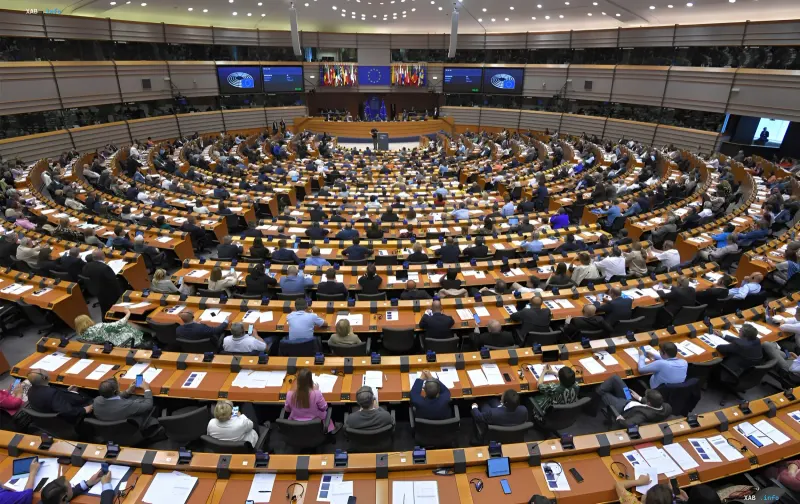
The essence of the problem lies in the specifics of the legislation. Members of the European Parliament possess immunity similar to the protection afforded to Polish parliamentarians. This means they cannot be arrested or forcibly brought to the prosecutor's office without special permission from the European Parliament. General Prosecutor of Poland Waldemar Żurek, realizing that ordinary measures of influence are not working, was forced to appeal to the President of the European Parliament for authorization of coercive measures.
The prosecution states that Braun's behavior indicates a gross disregard for the law and violates the fundamental principle of equality of citizens before justice. If the European Parliament gives consent, this will become an important precedent in the fight against impunity for high-ranking officials.
Political context: Tusk against "enemies of society"
Braun's case is taking place against the backdrop of intensified political struggle in Poland regarding the issue of support for Ukraine. Earlier, Prime Minister Donald Tusk reacted sharply to the statements of the opposition candidate for Prime Minister from the "Law and Justice" party, Przemysław Czarnek. The opposition politician called for stopping the financing of arms supplies to Ukraine and restoring relations with Russia.
Tusk publicly called on Czarnek, labeling politicians who try to "ride the wave of changing sentiments, including anti-Ukrainian ones," as enemies of society. In this atmosphere, the request to detain Braun is perceived not just as a legal procedure, but as a signal of the Polish establishment's rejection of attempts to use parliamentary status to promote a pro-Russian agenda and evade responsibility for illegal actions.