After the start of Russia's full-scale invasion in 2022, Poland became one of Ukraine's main allies: Warsaw opened its borders to millions of Ukrainian refugees, provided weapons and financial aid, and Ukrainian leaders publicly expressed their gratitude for the support. At the time, it looked like the beginning of a new chapter in the relations between the two countries, despite their complex and painful history. However, as the publication The Guardian notes in an article referenced by RBC-Ukraine, this 'honeymoon' turned out to be short-lived, and today the relations between Warsaw and Kyiv are effectively in a state of freeze.
From the 'honeymoon' to cooling
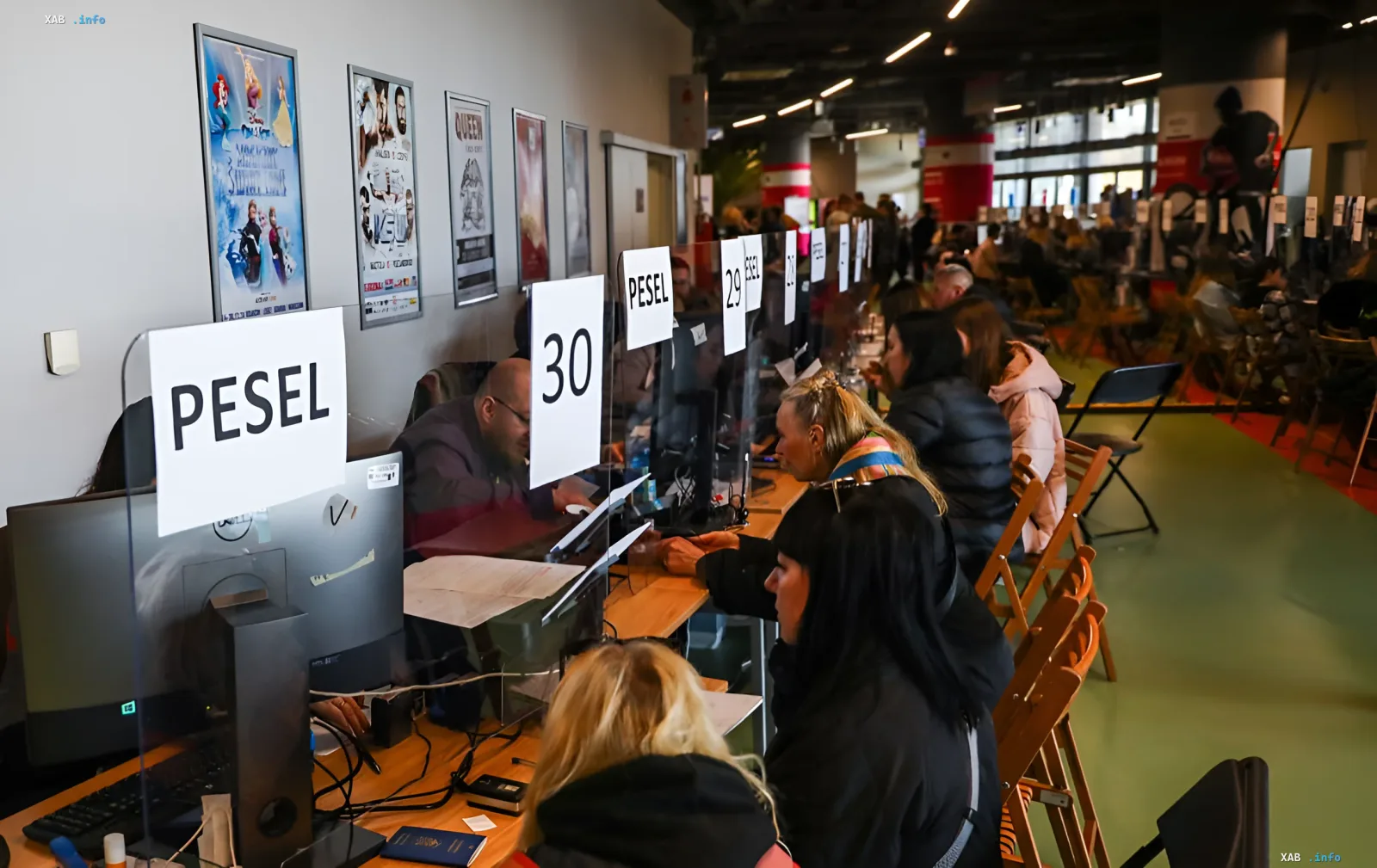
The first noticeable indicator of the shift in sentiment was the attitude of Polish society toward Ukrainian refugees. According to a survey by the Polish CBOS center conducted last month, 52% of Poles are against the country accepting Ukrainian refugees. At the same time, statements about 'fatigue' from supporting Kyiv are increasingly being heard in Poland, while representatives of the Polish right claim that transferring significant shipments of weapons to Ukraine allegedly weakened the country's own defensive capabilities in the event of potential Russian aggression. These sentiments are compounded by a political conflict over historical memory.
Historical memory as a trigger
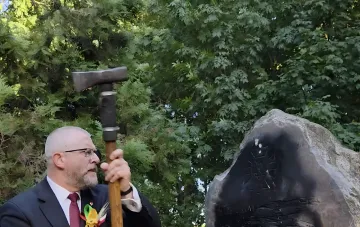
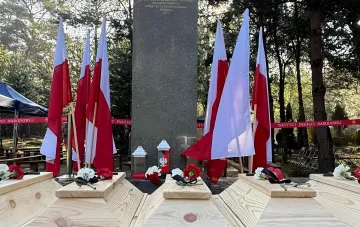
A fresh flare-up occurred after Volodymyr Zelenskyy named a military unit after the Ukrainian Insurgent Army (UPA), some of whose participants, according to the Polish side, may have been involved in the killings of Poles in 1943. The Polish side reacted sharply: President Karol Nawrocki stripped Zelenskyy of the Order of the White Eagle — Poland's highest state award that can be conferred on foreigners. Neither side made any concessions, and this cemented the 'freeze' in bilateral relations.
Contradictory data
Here it is important to honestly point out several inconsistencies. First, the question of the UPA's role in the events of 1943 remains a subject of fierce debate: the Polish side classifies the actions of certain UPA participants as crimes against the Polish population, while the Ukrainian tradition regards the UPA primarily as an independence movement and disputes or otherwise assesses the accusations of mass killings of Poles. Second, the claim by the Polish right that weapons supplies to Ukraine 'weakened Poland's defense' is a political assessment, not a confirmed fact, and is not supported in the sources by specific data on the state of Polish arsenals. Finally, the editorial framing of RBC-Ukraine, which accuses Poles of 'short-sightedness' and 'pushing Ukrainians away', is harsher and more evaluative than the structural analysis by The Guardian, which sees the causes of the cooling in objective long-term processes rather than in the moral choice of one side.
Structural causes: from refugees to competitors
In the assessment of the author of the article in The Guardian, one of the main problems is that Poland has not fully grasped the long-term nature of the changes brought about by the war. Ukrainians, who initially lived in Polish families, gradually began to rent or buy housing, start businesses and form their own community, increasingly competing with local residents in the labor market and in business. For a country that, after World War II, remained predominantly ethnically homogeneous, this transformation proved difficult: sympathy and charity ceased to be the basis of interaction once Ukrainians began to build an independent life. According to Polish sources, Ukrainian workers already make up a significant share of Poland's labor market, which reinforces the perception of competition.
Forecast: competition in the European space
Changes have also occurred at the level of Ukraine itself: after 2022, the country has gradually transformed from a recipient of large-scale Western aid into a state that develops its own military technologies and exports the corresponding experience, and Ukrainian leaders have gained direct access to the leadership of the United States and leading Western European countries. Kyiv no longer needs an intermediary or 'advocate' in Brussels, a role that Poland traditionally tried to see itself in — and this gives rise to envy and resentment in Warsaw. The Guardian forecasts that in the coming years Ukraine will integrate ever more deeply into the European space, and Ukrainian companies and workers will compete with French, German and Polish ones, just as Polish companies once entered the markets of Western Europe. Thus, according to the publication, both countries have not prepared for the long-term consequences of the war: Warsaw did not prepare society for the fact that a significant part of the refugees would remain and become part of society, and it did not take into account the growth of Ukraine's political and economic ambitions.