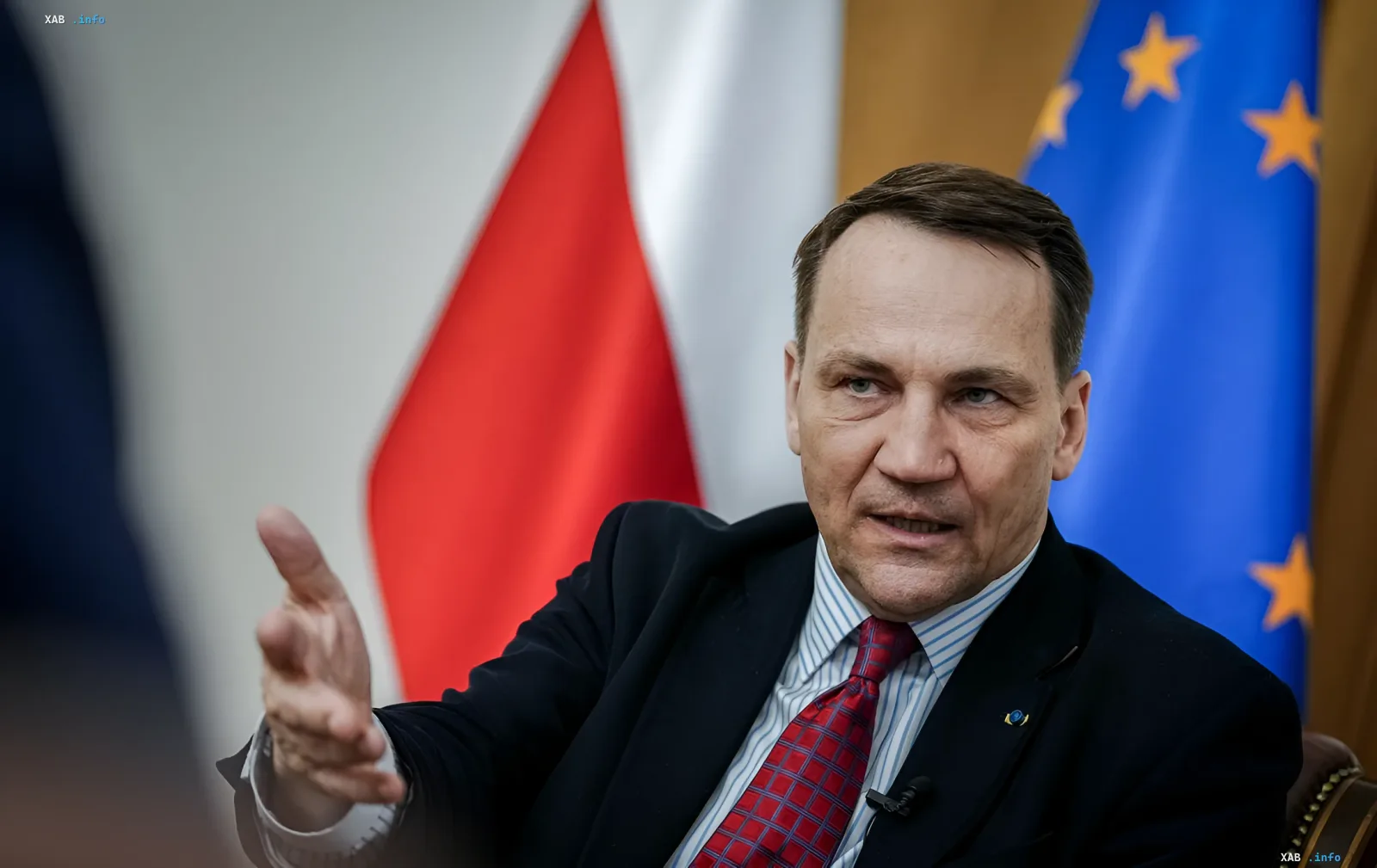
Polish Foreign Minister Radosław Sikorski has publicly questioned the realism and practical feasibility of the recent diesel agreement between the United States and Russia. The Polish diplomat’s sharp, ironic reaction was prompted by reports of severe fuel shortages on the Russian domestic market, caused by massive damage to Russian oil refineries as a result of targeted strikes.
Fuel crisis and the vulnerability of Russian infrastructure
In an official statement on social media, the head of the Polish Foreign Ministry drew attention to a paradoxical situation: diplomatic and intelligence channels are recording shortages of diesel fuel even in the Russian capital. Traditionally, Moscow has always had absolute priority in the distribution of any energy resources and was supplied on a first-category basis, so disruptions in the metropolitan market indicate a systemic and deep crisis throughout the domestic petroleum logistics chain.
Doubts regarding Moscow's export potential
Radosław Sikorski reminded the international community of independent expert assessments indicating that about 50% of key Russian oil refining capacities have been severely damaged or put out of operation. Against the backdrop of such large-scale destruction, a natural and logical question arises: where will the surplus fuel come from that Moscow supposedly intends to supply to the world market under agreements with Washington?
Geopolitical context and ally reactions
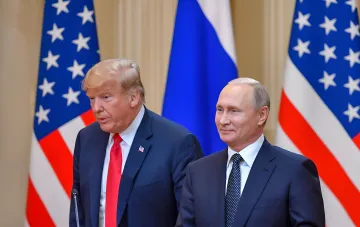
To recap, on October 9, 2026, US President Donald Trump publicly announced an agreement with the Russian leadership regarding the supply of Russian diesel fuel to global markets. This decision sparked a wave of sharp criticism from the Ukrainian leadership, particularly President Volodymyr Zelenskyy, who emphasized that easing sanctions pressure without clear and lasting steps toward de-escalation will only sponsor the continuation of the war. Experts from the Institute for the Study of War (ISW) also confirmed that the Kremlin offered Washington no concessions regarding Ukraine.