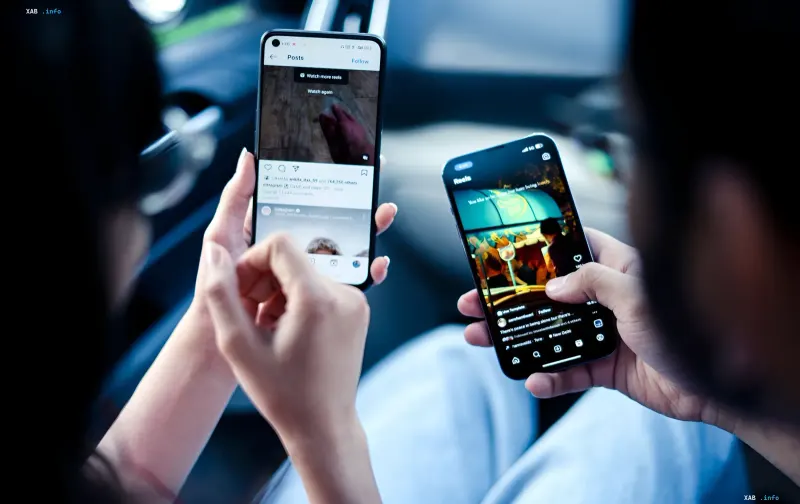
Switching from the Apple ecosystem to Android is technically easier today than ever before, yet this step comes with a number of compromises that users often overlook. Experts from BGR, citing a report from RBK-Ukraine, have compiled a list of the main inconveniences that those deciding to switch from an iPhone to flagship smartphones from competitors will face.
Economic Aspect and the Secondary Market
At first glance, the price gap between the platforms has practically disappeared. Android-based flagships, such as the Samsung Galaxy S26 Ultra or Google Pixel 10 Pro, cost roughly the same as Apple models. Base versions of the iPhone 17 and Pixel 10 start at $799, while the Galaxy S26 is offered from $900.
However, the real difference appears not at the point of purchase, but when attempting to sell the device on the secondary market. The liquidity of iPhones traditionally remains higher, making them a more profitable investment in the long term.
Loss of Ecosystem and Services
The most tangible blow for the user is the complete blockage of access to Apple's exclusive services. Switching to Android means giving up:
- iMessage and FaceTime;
- Health and Wallet apps;
- The Apple Pay payment system.
Although in the summer of 2026 Apple implemented RCS protocol support in the "Messages" app, ensuring end-to-end encryption between different systems, the visual barrier remains. Messages from Android users are still displayed in "green bubbles," which for many remains a marker of platform separation.
Compatibility and Integration Issues
The loss of seamless Continuity integration plays a special role. Android users lose the ability to transfer files via AirDrop, use the Universal Clipboard, or mirror their smartphone screen to a Mac. These features, which have become standard for Apple device owners, require third-party solutions on Android or are absent altogether.
The situation with accessories is also inconsistent. AirPods retain basic functionality with Android smartphones but lose specific features such as automatic translation and hearing adaptation. As for smartwatches, Apple Watch do not support synchronization with Android-based devices at all, turning them into a useless gadget when changing phones.
Update Fragmentation and Support
An important factor remains the approach to software. Apple is distinguished by centralized release of updates: a new OS version (for example, iOS 27 in the autumn of 2026) becomes available immediately for all supported models, including the iPhone 11 lineup released back in 2019.
In the Android world, the situation is more complex. Despite promises from Samsung and Google regarding 7 years of support, the prompt receipt of fresh system versions is guaranteed primarily to Pixel device owners. Other brands often release updates with significant delays, creating an effect of fragmentation.
Processing of Personal Data
Significant differences also lie in the approach to processing personal data. If Apple focuses on privacy and local data processing, Android manufacturers often rely on cloud services and partnership agreements, which can affect the level of protection of user information.