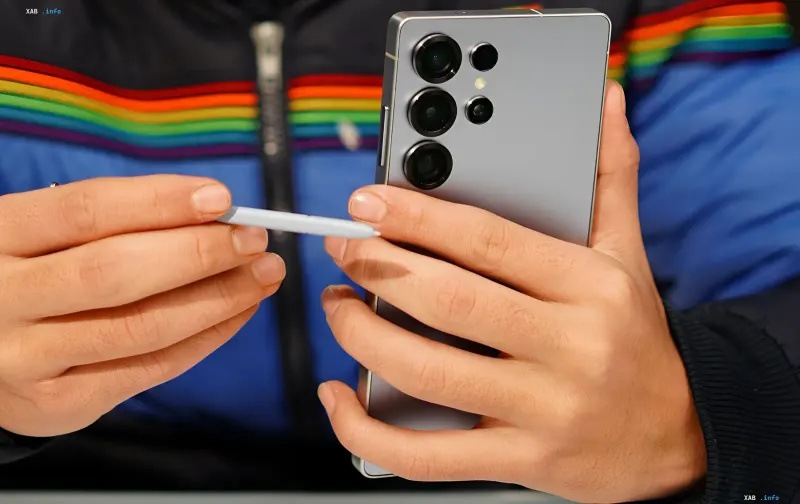
Samsung is increasingly courting iPhone owners: the company offers them not only flagships, but also more affordable models, as well as unusual "complex" smartphones with the S Pen. In practice, however, switching from iOS to Galaxy turns out to be noticeably harder than the marketing slides promise. A user accustomed to the "Apple" ecosystem faces a chain of losses — from biometrics and wireless charging to familiar messengers and accessories. Below is a breakdown of exactly what will disappear from the daily experience and where Samsung's and Apple's claims diverge.
A Face Without Depth: Why a 2D Scanner Doesn't Replace Face ID
The first thing a former iPhone user will notice is the absence of a full-fledged 3D face scanner. Face ID builds a map from thousands of points and forms a volumetric model of the face, which allows secure authorization in banking apps and Apple Pay even while wearing a mask. Samsung's current flagships offer primarily 2D recognition, which is considered less secure. To access sensitive applications, the user will have to rely on an under-display fingerprint scanner — a habit that iPhone owners usually don't have.
Physical Features and MagSafe That Will Be Gone
Besides biometrics, the Galaxy loses the proprietary "physical" and magnetic scenarios. The MagSafe technology, which provides magnetic dock charging and accessory mounting, is absent on Samsung devices. The physical Action Button and Camera Control keys, which Apple built into the iPhone body, also disappear. For a user accustomed to the quick scenario button and camera control, this is a noticeable drop in ergonomics that cannot be compensated by software icons.
'Software Shock': Messengers, Calls, and the Loss of the Ecosystem
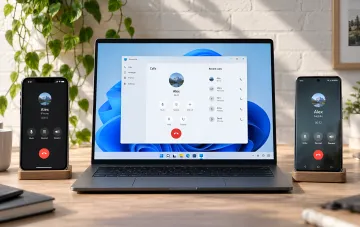
Replacing iMessage will be one of the most noticeable "software shocks": the user will have to switch to Samsung Messages or WhatsApp. RCS support on iPhone eases conversation and adds end-to-end encryption, but messages from Android users still appear in "green" bubbles rather than blue ones. FaceTime works one way: Samsung owners can join calls only via a link through a browser, but cannot initiate new calls. Mac and iPad owners lose the seamless Apple ecosystem, and file transfer is only partially compensated by AirDrop support via the Quick Share service — a full replacement for the ecosystem will have to be assembled from an Android tablet and a Windows laptop.
Companion Gadgets Stop Working
Apple Watch lose all meaning without an iPhone: the watch does not sync with Samsung smartphones, and health data will have to be exported manually via Health Connect into Samsung Health. AirPods turn into an ordinary Bluetooth headset — spatial audio, hearing aid features, and live translation (in the AirPods Pro 3 model) are gone. AirTags trackers are completely incompatible. In other words, all the peripherals bought "as a set" with an iPhone either work partially or not at all on the Galaxy.
Updates: Long but Predictable Support
An important Samsung argument in favor of switching is the guarantee of up to 7 years of flagship support. However, the update release schedule is fundamentally different from Apple's. The release of new Android versions, including Android 17, happens with a delay of several weeks or months, because the company needs time to adapt its own One UI shell. Apple, on the other hand, releases new iOS versions simultaneously for all supported models worldwide. That is, Samsung promises a longer support horizon, but a less synchronized and "simultaneous" update experience.
Contradictory Data
The question of 3D face recognition on future Samsung flagships remains debatable. On the one hand, a number of sources indicate that the upcoming Samsung Galaxy S27 Ultra will likely skip the advanced Polar ID technology (3D face unlock), keeping the focus on the 2D scanner and fingerprint. On the other hand, other publications claim that the future Samsung flagship will get a unique face recognition system that may outperform Apple Face ID in functionality. These versions contradict each other on whether Samsung will implement a volumetric scanner on its top model at all. Until the company's official presentation, both positions remain assumptions, and readers should keep in mind that the "full-fledged Face ID on Samsung" scenario is not yet confirmed.