
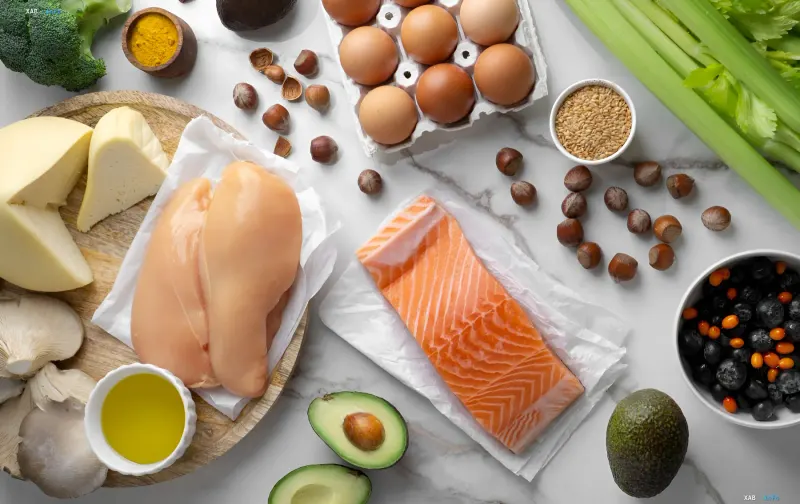
Protein bars, high-protein diets, and advice on increasing protein intake have flooded the information space. Today, this nutrient is called the main component of a healthy diet. But is it really needed by everyone, and why is there such a surge of interest right now? Nutritionist Yulia Dragulova answered these questions in a blitz interview.
Why has protein become the main trend?
The increased attention to protein has a logical explanation. It is precisely involved in tissue repair, maintaining muscle mass, and the functioning of the immune system. The growing popularity of this component is directly linked to the increasing number of people interested in sports, an active lifestyle, and mindful eating.
However, experts warn: making protein the sole priority is dangerous. A healthy diet is impossible without balance. The body needs proteins, fats, carbohydrates, vitamins, and minerals in a harmonious ratio.
How to correctly introduce protein into your diet?
To get enough protein, you don't necessarily have to radically change habits or switch to strict diets. The expert suggests starting with three simple steps:
- Add protein to every meal. If you mentally divide the plate into four parts, approximately one of them should be occupied by protein products.
- Make the right choice for a snack. Instead of sweets or snacks, choose natural yogurt, cottage cheese, eggs, nuts, or a quality protein bar.
- Plan your nutrition in advance. Often the problem lies not in ignorance of the rules, but in the lack of ready-made protein source products at hand.
Myths about consumption norms
In modern society, two extremes are observed: some are convinced that there is no such thing as too much protein and consciously increase their consumption, while others believe they get enough, although their main sources are sausage products and ultra-processed foods.
Yulia Dragulova emphasizes: there is no universal figure suitable for everyone. Daily requirements are determined individually and depend on age, body weight, level of physical activity, and overall state of health.
For most healthy adults, the recommended norm is considered to be about 0.8 g of protein per kilogram of body weight per day. People who exercise regularly, especially with strength training, or have intense physical exertion, may need more — approximately 1.6–2 g per kilogram of body weight.
Caution: Supplements and food replacement
Nutritionists remind us that protein shakes and bars should not completely replace ordinary food. They can only be a convenient addition to a balanced diet, especially for people with a busy schedule or those actively engaged in sports.
The key is not only the quantity but also the quality of protein. The optimal solution is to include various sources of this nutrient in the diet and maintain an overall balance of nutrition, rather than focusing exclusively on high-protein products.