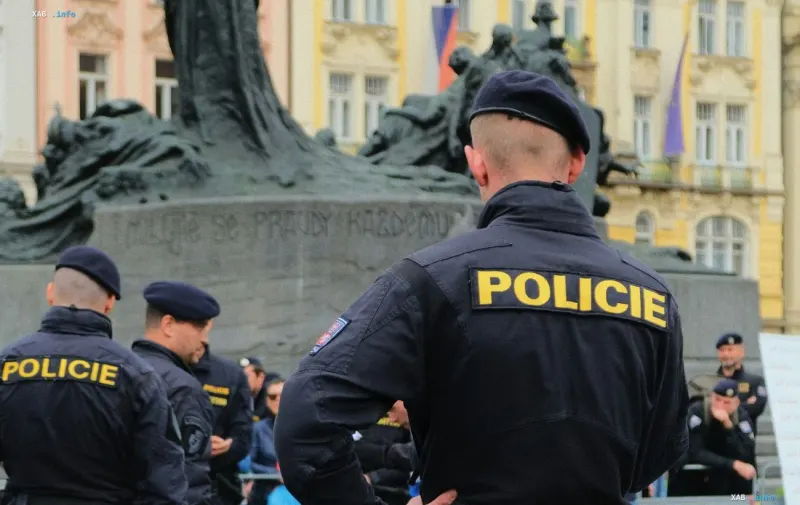
A large-scale protest rally organized by the civic initiative "Million Moments for Democracy" took place on Prague's Old Town Square. Hundreds of people took to the streets to voice their disagreement with the ruling coalition's plans to abolish mandatory license fees for television and radio. Demonstration participants carried Czech flags and placards demanding an end to a reform that organizers argue threatens the independence of public broadcasters.
Organizers' Stance and Demands on the Government
Mikuláš Minář, head of the "Million Moments for Democracy" initiative, addressed the gathered crowd with sharp criticism of the cabinet. He stated that the authorities' actions had gone too far and urged citizens to defend their position exclusively through peaceful means while maintaining calm. Protesters also expressed outrage over the fact that the relevant bill is being processed by the Chamber of Deputies in an expedited manner, precluding broad public discussion.
Reaction of the Country's Leadership
Czech Prime Minister Andrej Babiš rejected the accusations made by protesters and event organizers. The head of government emphasized that the planned changes pose no threat to democratic institutions and will not lead to the nationalization of mass media. According to him, the cabinet is merely fulfilling an election promise made to voters regarding the abolition of mandatory license fees.
Trade Union Plans and Further Developments
The conflict surrounding public broadcasting reform continues to escalate. The Verejnoprávně organization, representing the interests of Czech Television and Czech Radio employees, announced its joining of the protests. The union association stated its intention to hold a one-day warning strike on November 3 to draw attention to the threat facing media independence.
Significance of Protests for the Country's Political Situation
The current wave of demonstrations has become a serious test for the ruling coalition, which faces direct resistance from civil society and media industry employees. The issue of public broadcaster financing has grown from a narrow economic discussion into a nationwide dispute over the boundaries of state intervention and freedom of speech. Future developments largely depend on the government's willingness to engage in dialogue with trade unions and public organizations ahead of the planned November strike.