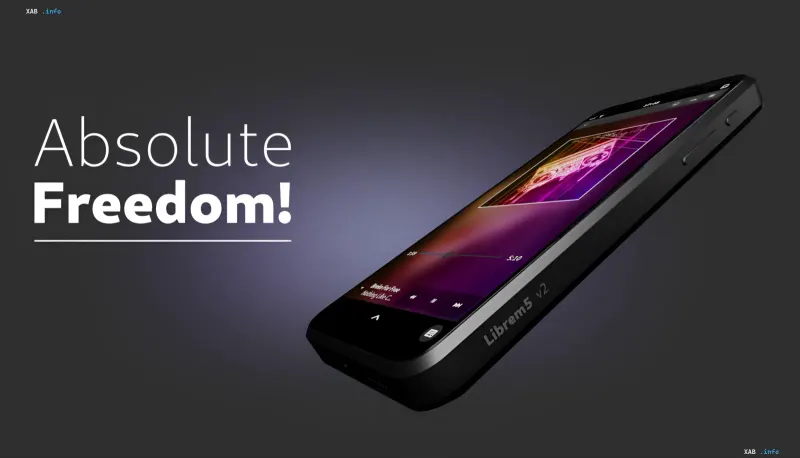
Purism, a company renowned for developing open-source hardware platforms, has officially announced the second generation of its flagship smartphone, the Librem 5 v2. The device is positioned as "absolute freedom" in line with the company's philosophy: complete user control over the device, hardware transparency, and the absence of proprietary components. The announcement was made on November 15, 2026, though actual shipments to buyers will take more than a year and a half.
RISC-V in a Consumer Smartphone: Betting on Open Architecture
At the heart of the Librem 5 v2 is the SpacemiT K1 octa-core processor built on the RISC-V architecture. This is a fundamental choice: unlike dominant ARM cores, RISC-V is an open instruction set architecture not tied to any single vendor. For Purism, this means the ability to deeply audit hardware and eliminate "black boxes" in the supply chain. The smartphone runs on PureOS, the company's proprietary Linux-based distribution focused on privacy and reproducible builds.
Modularity and Physical Kill Switches: Privacy as a Feature
A key difference between the Librem 5 v2 and its competitors is its modular design. The cellular modem and wireless interfaces (Wi-Fi, Bluetooth) are housed in separate hardware modules that the user can physically remove or replace. The smartphone features a removable 4,500 mAh battery, an SD card slot with the ability to boot the operating system directly from the memory card, and a set of physical kill switches: a separate toggle turns off cellular connectivity, wireless interfaces, the microphone, and the cameras. This approach transforms privacy from a software setting into a hardware guarantee — a disabled microphone cannot be turned on remotely.
Display, Memory, and Cameras: Moderate Yet Honest Specifications
The Librem 5 v2 features a 5.7-inch display with a resolution of 720 × 1440 pixels, 8 GB of RAM, and 128 GB of internal flash storage. The main camera is 13 MP, and the front-facing camera is 8 MP. Other features include dual SIM support and a 3.5 mm headphone jack, which by 2026 has become a rarity. Overall, the device does not claim leadership in the megapixel and hertz race, but instead offers what mainstream manufacturers do not: maintainability, expandability, and total control over the hardware.
Pricing and Timeline: $1600 and April 2028
The Librem 5 v2 will cost $1,600 — a price point that places the device in the premium smartphone segment, albeit with significantly more modest cameras and displays. At the same time, Purism is not promising prompt shipments: official sales are scheduled for April 2028. The more than two-year gap between the announcement and the start of sales is explained, in the company's view, by the need to finalize the modular platform and certify the RISC-V hardware. For the target audience — open-source enthusiasts, developers, and privacy advocates — this timeframe is acceptable; for the mass market, it is not.
Context: Why This Matters in 2026
The announcement of the Librem 5 v2 comes at a time when digital sovereignty and device transparency are no longer niche concerns. Growing interest in RISC-V consumer electronics, increased regulatory pressure on smartphone "black boxes," and steady demand for repairable devices make Purism's niche more relevant than it was five years ago. The Librem 5 v2 is not a smartphone for everyone, but for those who believe the right to flip a physical switch to turn off a microphone matters more than a 200-megapixel camera, it is arguably the only truly accessible option on the market.