Russia's military expenditures in the current year of 2026 may reach a record 199 billion dollars following a massive revision of budget plans by the Kremlin leadership. According to the authoritative agency Bloomberg, citing informed sources, by the end of the year the country's defense budget will closely approach the 17 trillion rubles mark. This marks a sharp reversal in Moscow's financial policy, which just a year ago announced plans to curb the militarization of the economy.
Background and Unfulfilled Hopes of the Kremlin
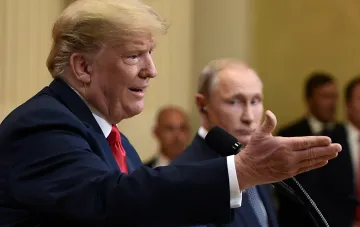
Back in late 2025, the Russian authorities expected to gradually reduce the growth rate of military spending in order to minimize the treasury deficit and begin restoring depleted reserves. These sentiments were significantly influenced by Vladimir Putin's personal meeting with US President Donald Trump in August 2025 in Anchorage, Alaska. Government sources claim that the Russian leader expected a peace agreement with Ukraine to be concluded soonest, which would automatically reduce the burden on the state financial system.Diplomatic Failure and Budget Revision
However, by January 2026 it became obvious that achieving a sustainable settlement of the conflict through diplomatic means was failing, and all mediation efforts led by Washington did not yield the expected results. In response to this, the Russian government launched the process of accelerated funding for the military-industrial complex, increasing advance payments to enterprises and ramping up other war-related expenses. As a result, the projected deficit of the Russian budget for 2026 jumped to over 7 trillion rubles, although it was initially planned at 3.8 trillion. Financing of the treasury gap is carried out through domestic borrowings and the sale of gold reserves.Contradictory Data
Despite official budget projections according to which military spending should gradually decrease in 2027 and 2028 (to 17.1 trillion and 16.6 trillion rubles respectively), independent analysts and Western intelligence agencies cast doubt on these figures. While the Russian leadership is factoring in a moderate reduction in defense spending, experts from the Danish Defence Intelligence Service (DDIS) and Bloomberg economic observers warn that the Kremlin is unlikely to undertake a real curtailment of the militarist program due to the deadlock in the negotiation process and the ongoing depletion of the state's resource base.
Economic Consequences and Long-Term Risks
Record pumping of money into the economy through the military-industrial complex creates colossal pressure on Russia's entire financial system. According to international experts and intelligence data, the country is inexorably moving toward a deep internal crisis, as the protracted nature of hostilities requires more and more material and human resources. Sanctions pressure combined with an inflated military budget deprives the Russian economy of investments in civilian sectors, promising serious structural problems in the future.