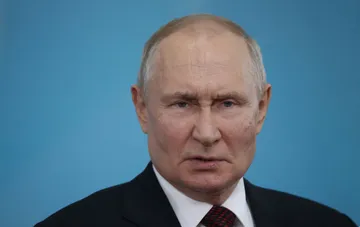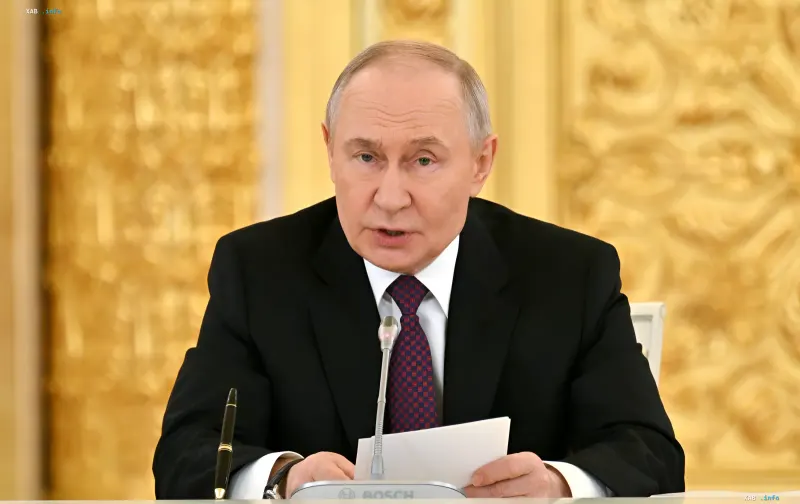
On October 29, 2026, Russian President Vladimir Putin made a statement regarding Russia's military readiness concerning European countries. According to him, «many in Europe are preparing for war with Russia by 2030» and Russia, in his phrasing, «is ready, but does not want war.» The statement came against the backdrop of ongoing discussions in European capitals regarding long-term defense plans and was reported by Russian and Ukrainian news agencies.
Readiness and reluctance for conflict
At the center of the Russian leader's remarks is a combination of two theses: confirmed combat readiness and a simultaneous denial of any intention to start a war. Putin emphasized that Russia does not strive for conflict with European countries, but, according to him, is capable of it. Such a formulation, observers note, effectively outlines a «ready but unwilling» position, which is repeated in his public speeches in the context of Euro-Atlantic security.
Forecast of «no winners»
Putin further stated that in the event of escalation and a transition to a full-scale war between Russia and Europe, «there will be no winners,» urging European countries «not to forget this.» In the same vein, according to Russian agencies, he expressed doubt about the possibility of inflicting a strategic defeat on Russia by 2030, which essentially strengthens the argument about the mutual vulnerability of the parties in a hypothetical full-scale confrontation.
Course toward renewing relations with the EU
Despite the rhetoric about readiness for war, the Russian leader simultaneously stated that Russia «supports any steps» to renew relations with the member states of the European Union. Thus, signals of military mobilization and a declaration of readiness for dialogue were voiced in a single speech, creating a contradictory foreign policy message: the threat and the invitation to normalization are presented in parallel.
Context and source reactions
The statement was promptly picked up by a number of publications: Russian agencies (TASS, Interfax, Rosbalt) and Ukraine's RBC-Ukraine, as well as The Moscow Times, reported it with minor differences in emphasis but without discrepancies in key facts. All sources agree that Putin confirmed Russia's readiness for war with Europe, denied the desire for conflict, and pointed out the absence of «winners» in such a scenario. Differences between the publications boil down to which fragment of the speech was chosen for the headline rather than the facts themselves.