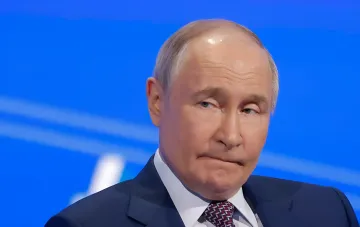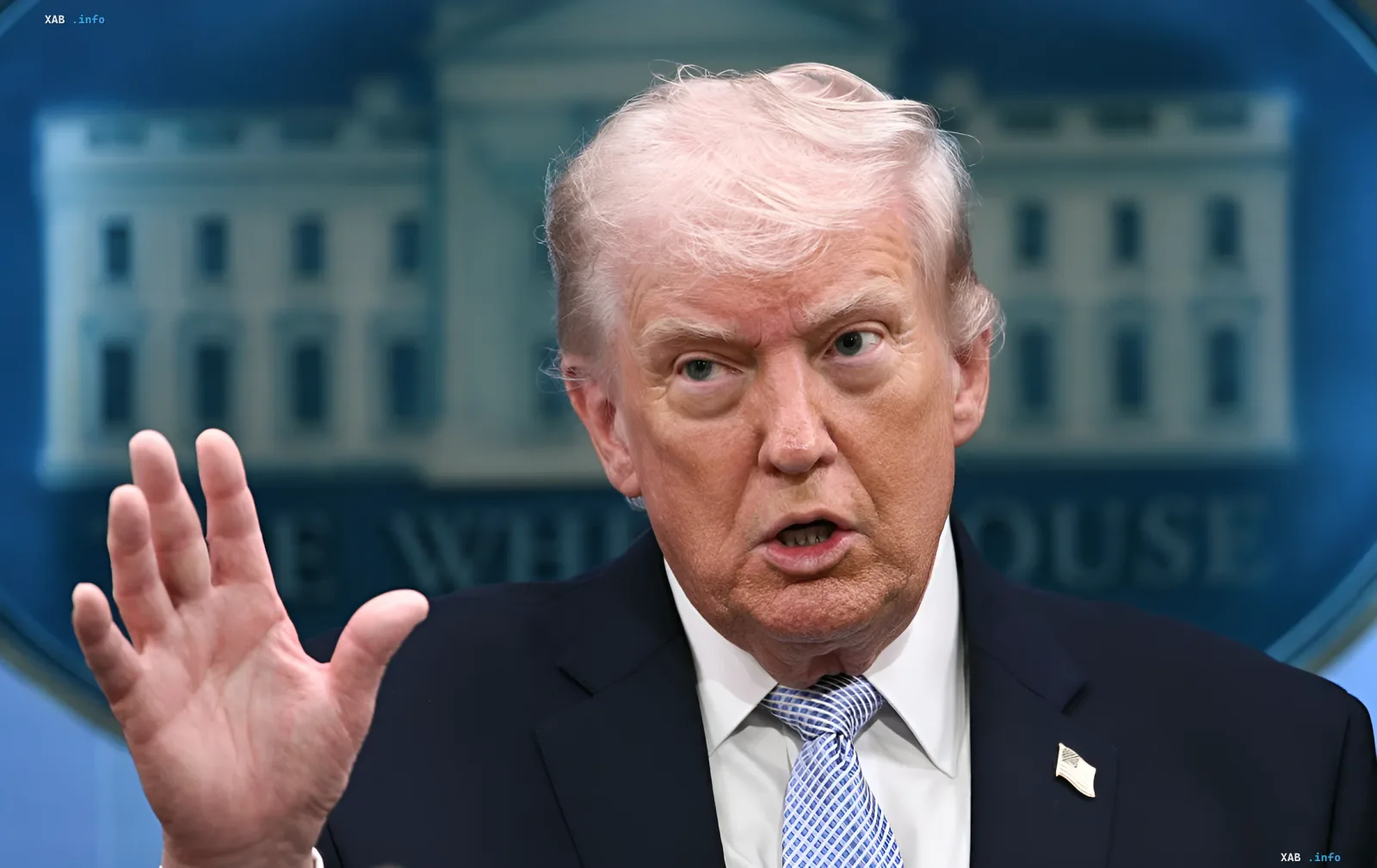
US President Donald Trump has faced a wave of fierce domestic criticism following the conclusion of an unexpected energy deal with the Russian leadership. Amid growing dissatisfaction among American politicians, the US leader decided to shift public attention to the European Union countries, pointing out their ongoing purchases of Russian energy resources.
The Essence of the Diesel Deal and Lifting of Sanctions
Last week, negotiations took place between US President Donald Trump and Russian leader Vladimir Putin, during which an agreement was reached for Russia to supply diesel fuel to the United States. Under the terms of the deal, Washington temporarily suspended sanctions restrictions on the import of Russian energy resources until April of next year. In turn, Moscow completely lifted the existing ban on petroleum product exports, and the first batches totaling about 300,000 tons are expected to enter the American market as early as October of this year, with volumes increasing thereafter.
Trump's Reaction and Criticism in Congress
Trying to justify the controversial decision, Donald Trump published a statement on the Truth Social network, pointing to the huge amounts that the European Union continues to pay Russia for energy. "The European Union has paid Russia 250 billion dollars for energy resources, and the fake media don't even want to approach this topic," the US president emphasized, adding that his choice was allegedly dictated by the national interests of the American people. However, this argument failed to convince critics: even members of the Republican Party expressed serious discontent.
Contradictory Data
While the Washington administration insists on economic benefits and the immediate saturation of the domestic fuel market, the situation is fraught with numerous contradictions. A bipartisan group of US senators has already issued an official call for Trump to immediately cancel the decision to purchase Russian diesel. While the Russian side confirms its readiness to ship the first batches of fuel in October, experts and Western analysts express doubts about the stability and long-term security of such supplies amid the ongoing geopolitical crisis and sanctions pressure.
Political Consequences and Economic Risks
The conclusion of the fuel deal with Moscow has already led to serious tensions in Washington's relations with European allies and the Ukrainian side. Critics note that such a step undermines the united Western front of sanctions resistance and creates a dangerous precedent for the partial legitimacy of Russia's resource base. In the context of October 2026, the White House will have to withstand intense pressure from Congress demanding a review of energy policy and a return to strict restrictive measures against the Kremlin.