On 18–19 September 2026, Russian leader Vladimir Putin publicly threatened European states with a 'response' amid military exercises in the Baltic Sea. According to him, the maneuvers included rehearsing the seizure of civilian vessels, which he called unacceptable. This is reported by RBC-Ukraine, citing the 'Smotri' TV channel, as well as the 'Channel One' agency.
Baltic Drills and the Threat of a 'Response'
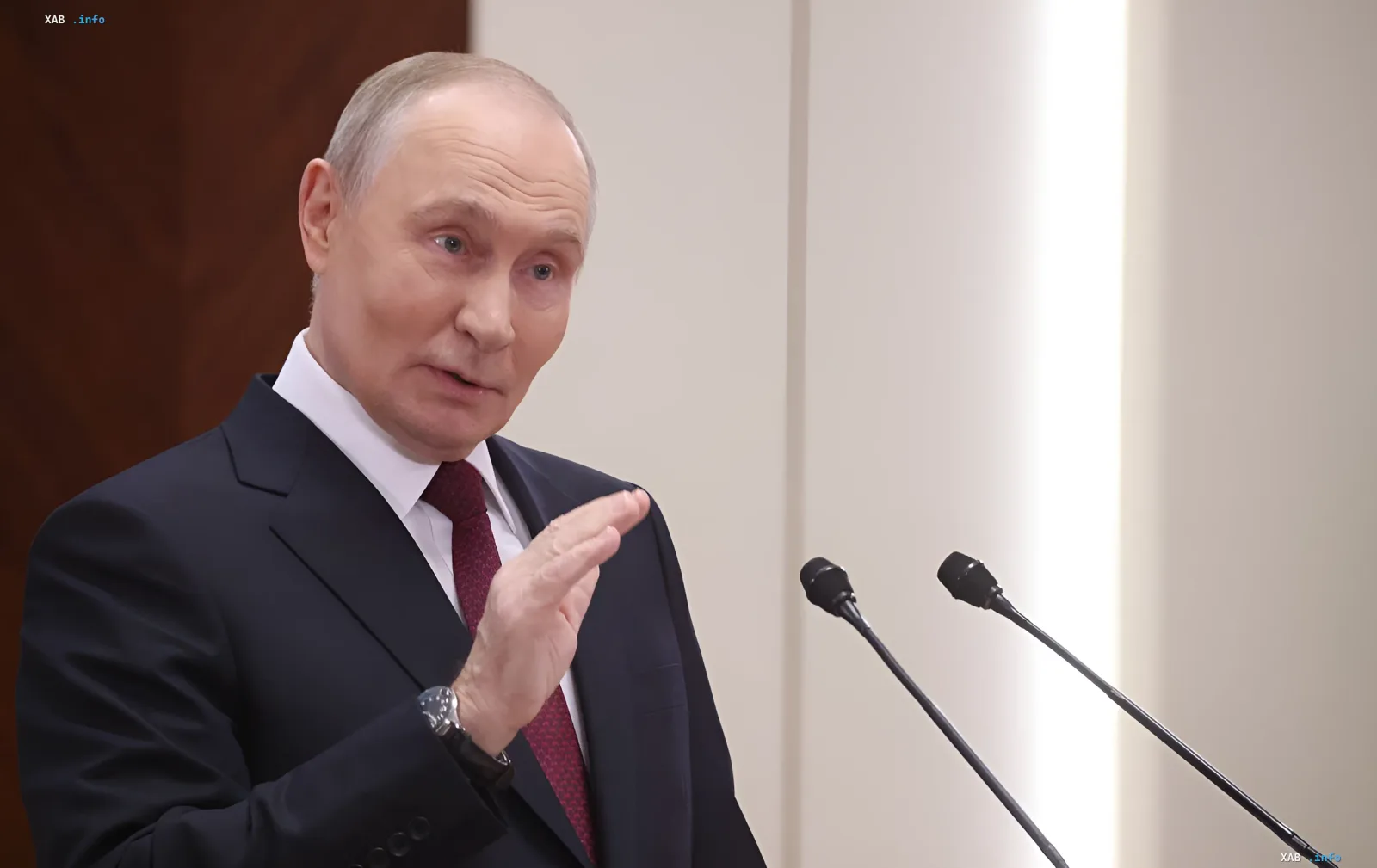
Commenting on the actions of European militaries, Putin stated: 'Let us live in peace, otherwise we will have to respond, there is no other way.' In doing so, he linked the exercises to a direct threat and signalled Moscow's readiness to deliver a 'response' should what he considers provocative maneuvers continue. The statement came against a backdrop of rising tensions in northern Europe and became one of the sharpest in the Kremlin's recent rhetoric toward NATO and the EU.
Fleet Movements and Escalation in the Baltic
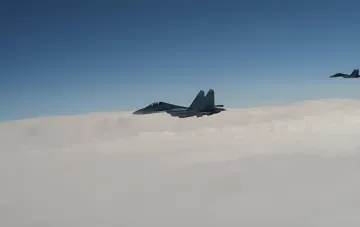
Ukrainian media are tracking related developments: according to 'Obozrevatel', Russia is redeploying warships into the Baltic Sea, strengthening its military presence in the region. The Chinese outlet Sina, for its part, writes that Russia 'has caused NATO big problems in the Baltic', interpreting the movement of forces as Moscow's counterstep. The totality of these signals indicates that the Baltic is becoming one of the active fronts of hybrid and naval confrontation.
Contradictory Data
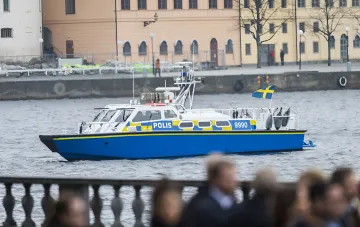
The available sources contain discrepancies in how the exercises are characterized. The base report refers to 'the training of European countries', while the 'Channel One' agency phrases it as NATO exercises aimed at rehearsing the seizure of civilian vessels. In other words, the circle of participants (individual European states or the alliance as a whole) and the very purpose of the maneuvers are described differently. Moreover, the claim of a 'rehearsal for seizing civilian vessels' comes from the Russian side and has not been confirmed by independent fact-checking; Western participants typically classify such exercises as defensive. Meanwhile, the EU emphasizes that Putin's regular statements about a desire for peace are false and are aimed at avoiding new sanctions restrictions while Russia continues its attacks.
Context: Pressure, Sanctions and Domestic Politics
The threats toward Europe came against a series of other statements by Putin: earlier he accused Ukraine in connection with the conduct of elections, claiming an alleged 'degeneration into a dictatorship'. According to Ukrainian intelligence assessments, Putin fears his own oligarchs and elite, and two groups with opposing views on continuing the war against Ukraine have formed in his entourage. These factors, analysts believe, explain the aggressive rhetoric and demonstrative militarization as a tool of internal and external pressure.