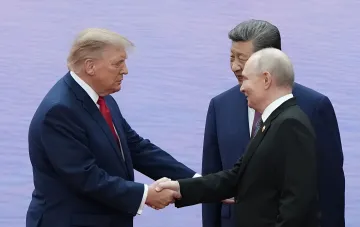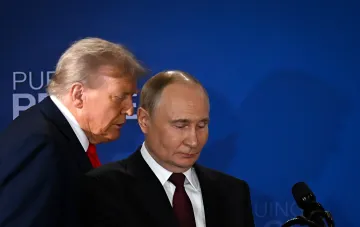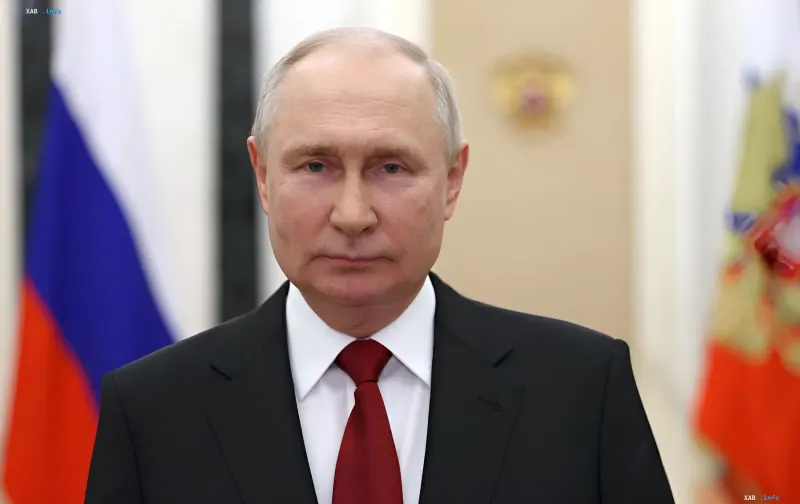
On the sidelines of the APEC summit in Shenzhen, China, taking place on November 18–19, 2026, Russian President Vladimir Putin held a meeting with US leader Donald Trump. The leaders discussed the course of the war in Ukraine and bilateral relations, but did not make joint statements to the media. Immediately after talking with Putin, Trump proceeded to negotiations with Chinese President Xi Jinping. Experts view this summit as Moscow's attempt to change its diplomatic trajectory and emerge from years of isolation.
Breaking Out of Diplomatic Isolation
According to Hung-jen Wang, executive director of the Institute for National Policy Research in Taiwan, Putin's main goal is to consolidate the Russian army's current "gains" on the frontline into political agreements favorable to the Kremlin. A meeting with Trump and Xi Jinping, he says, allows Moscow to present Russia as an indispensable participant in global security rather than a country bogged down in years of diplomatic isolation due to armed aggression against its neighbor.
Territories, Guarantees, and Restrictions
"Putin will likely try to convince Trump that in order to end the war, Ukraine must agree to certain demands from Russia—perhaps regarding territorial issues, security guarantees, or restrictions on Ukraine's future strategic capabilities," Wang believes. In his opinion, such a meeting gives Moscow a chance to influence Washington's negotiating position even before a final settlement is reached. Furthermore, the Kremlin benefits from the US focusing on a diplomatic settlement rather than exerting pressure on Russia and supplying weapons to Ukraine.
The Illusion of Beijing's Support
It is also advantageous for the Russian leader if China's participation creates the illusion of support from another great power, even if Beijing is not ready to openly endorse Moscow's specific demands regarding Ukraine. Thus, Xi Jinping's presence at the summit primarily serves a signaling function for Moscow.
Leaders' Goals Do Not Align
The expert emphasizes that Trump's and Putin's goals should not be considered identical: the US president aims to demonstrate the ability to quickly end the war, while the Russian leader wants to lock in the territorial and strategic advantages secured by Russia. This divergence of interests, according to Wang, determines the nature and limits of any potential compromise.
The Risk of Precedent
The main risk for other countries lies in the precedent, Wang adds. Any agreement reached behind Ukraine's back that rewards territorial aggression without reliable security guarantees will send a dangerous signal to other revisionist states—particularly regarding the issue of Taiwan. Thus, the Shenzhen summit has become a platform where Moscow is trying to translate its wartime status into the language of diplomatic agreements, whereas for Washington, the key issue remains bringing the conflict to a swift end.