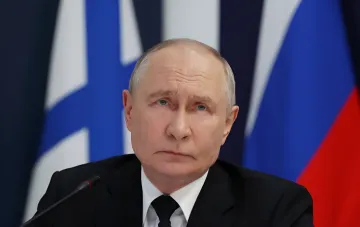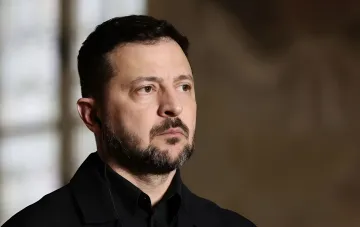
The leadership of the Russian Federation has once again demonstrated its unwillingness to end military operations against Ukraine through diplomatic means. Despite regular statements regarding a hypothetical readiness for dialogue, Moscow is effectively blocking any peace initiatives, ruling out the possibility of resuming the negotiation process even with the active mediation of the United States of America.
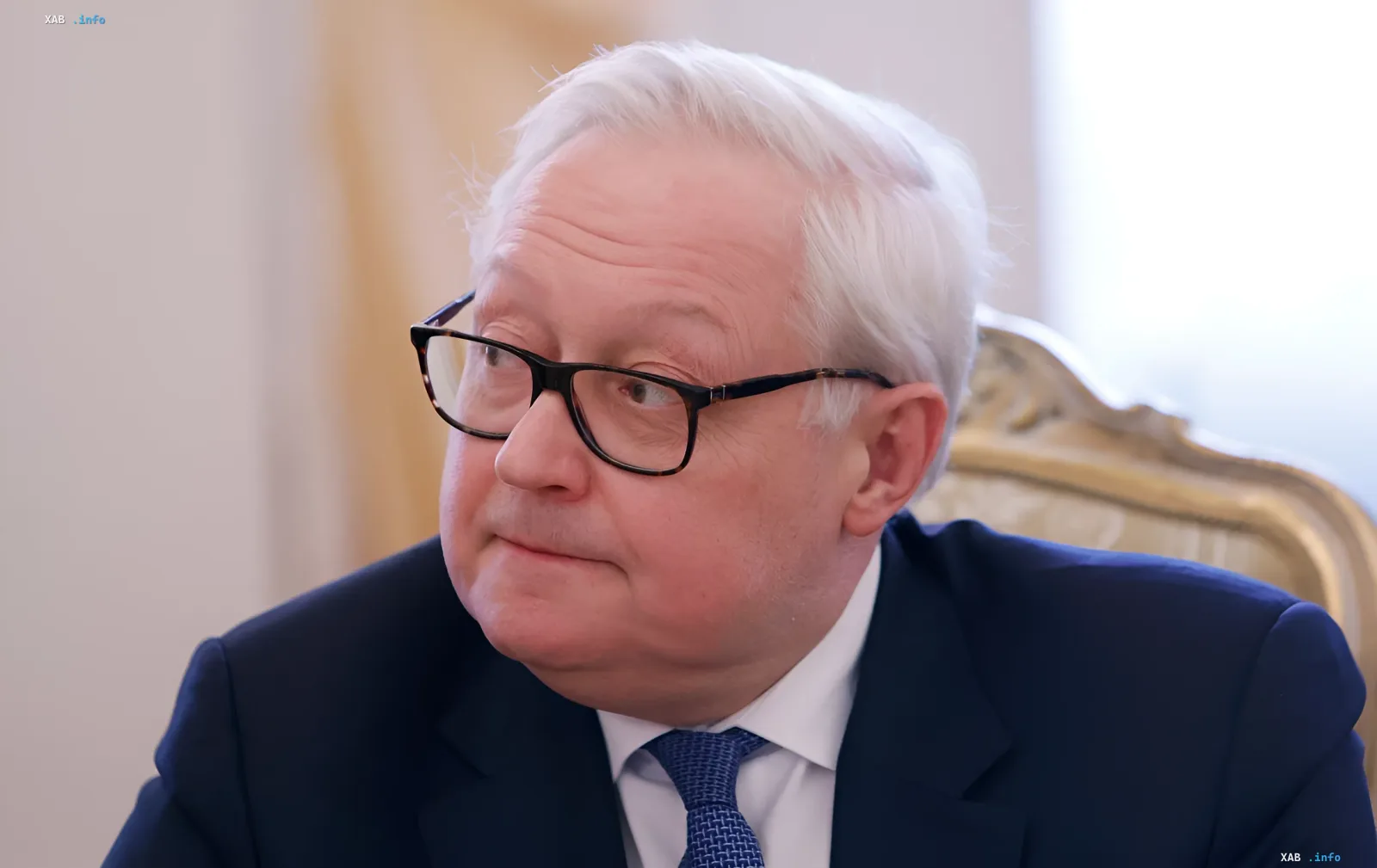
The position of the Russian foreign policy department was voiced by Deputy Foreign Minister Sergei Ryabkov. According to him, Moscow currently has no actual plans to hold trilateral or bilateral contacts in this format, and further developments allegedly depend solely on the opposing side. At the same time, Russian diplomats traditionally place full responsibility for disrupting previous agreements on the Ukrainian leadership.
Contradictory Data
The situation surrounding the negotiation track is accompanied by serious informational contradictions and mutually exclusive statements by officials. For instance, back on September 25, the Russian leader claimed that peace proposals supposedly remained "on the table," and the Kremlin expected a trilateral meeting with US participation in October. However, Washington's harsh reaction, manifested in the signing of a new package of large-scale sanctions, radically changed Moscow's rhetoric. Kremlin spokesman Dmitry Peskov officially stated thereafter that there were no prerequisites for resuming the peace dialogue.
Washington's Assessments and Strategic Deadlock
For his part, US Secretary of State Marco Rubio characterized the current state of the armed conflict as a "strategic deadlock." According to the American side, under the current realities, the prospects for a diplomatic settlement are temporarily not being considered, and procrastination carries colossal risks of further escalation. Washington warns that large-scale confrontation could go beyond regional frameworks and affect the interests of third countries, although the White House officially maintains its readiness to facilitate a future peace agreement.
Analysts and the expert community agree that the Kremlin's demonstrative rejection of negotiations is combined with attempts to disrupt any constructive initiatives through escalating terror and refusing conflict-freezing scenarios. Russia continues to use diplomatic rhetoric solely as an instrument of pressure, leaving no room for a real compromise as of October 2026.