Historic Visit: Putin on Iturup for the First Time
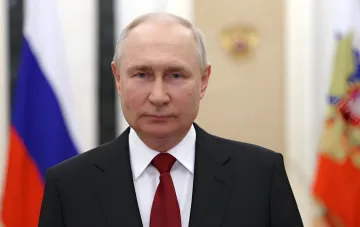
August 13, 2026, marked a significant day in the recent history of Russian-Japanese relations. President of the Russian Federation Vladimir Putin made his first personal working visit to the island of Iturup — the largest island in the Southern Kuril chain. This event, anticipated by diplomats and analysts, was not merely an inspection trip but a powerful political signal aimed at solidifying Russia's de facto sovereignty over the disputed territories.
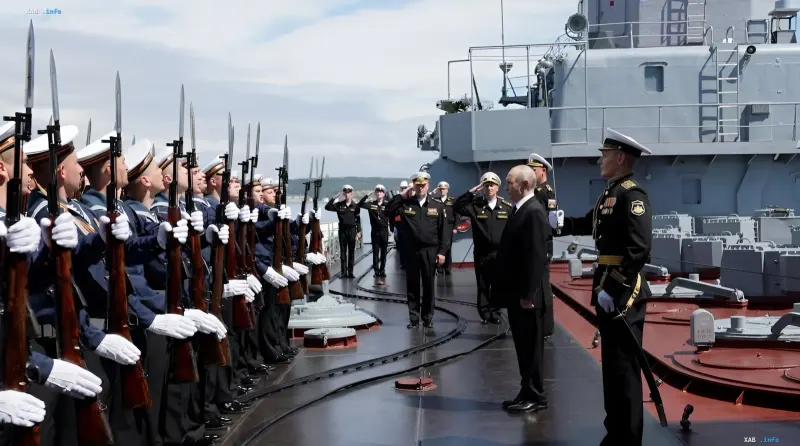
The visit took place immediately after the conclusion of large-scale exercises by the Russian Navy's Pacific Fleet in the Far Eastern region. This chronological scenario underscores the inextricable link between military might and economic expansion in the region. The head of state's itinerary was packed and included visits to key infrastructure facilities, demonstrating the island's strategic importance to the federal center.
Economy and Social Sphere: What the President Saw
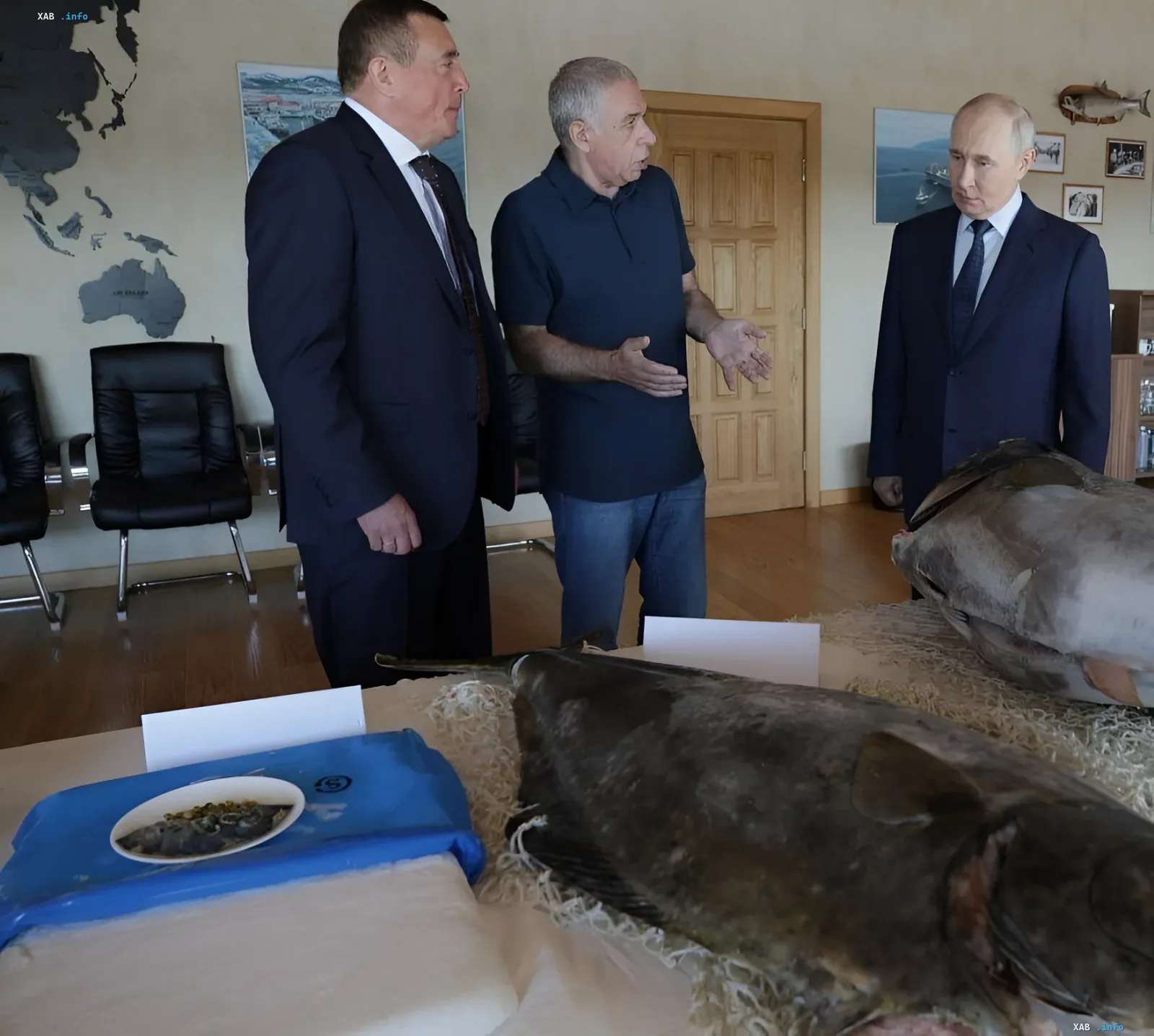
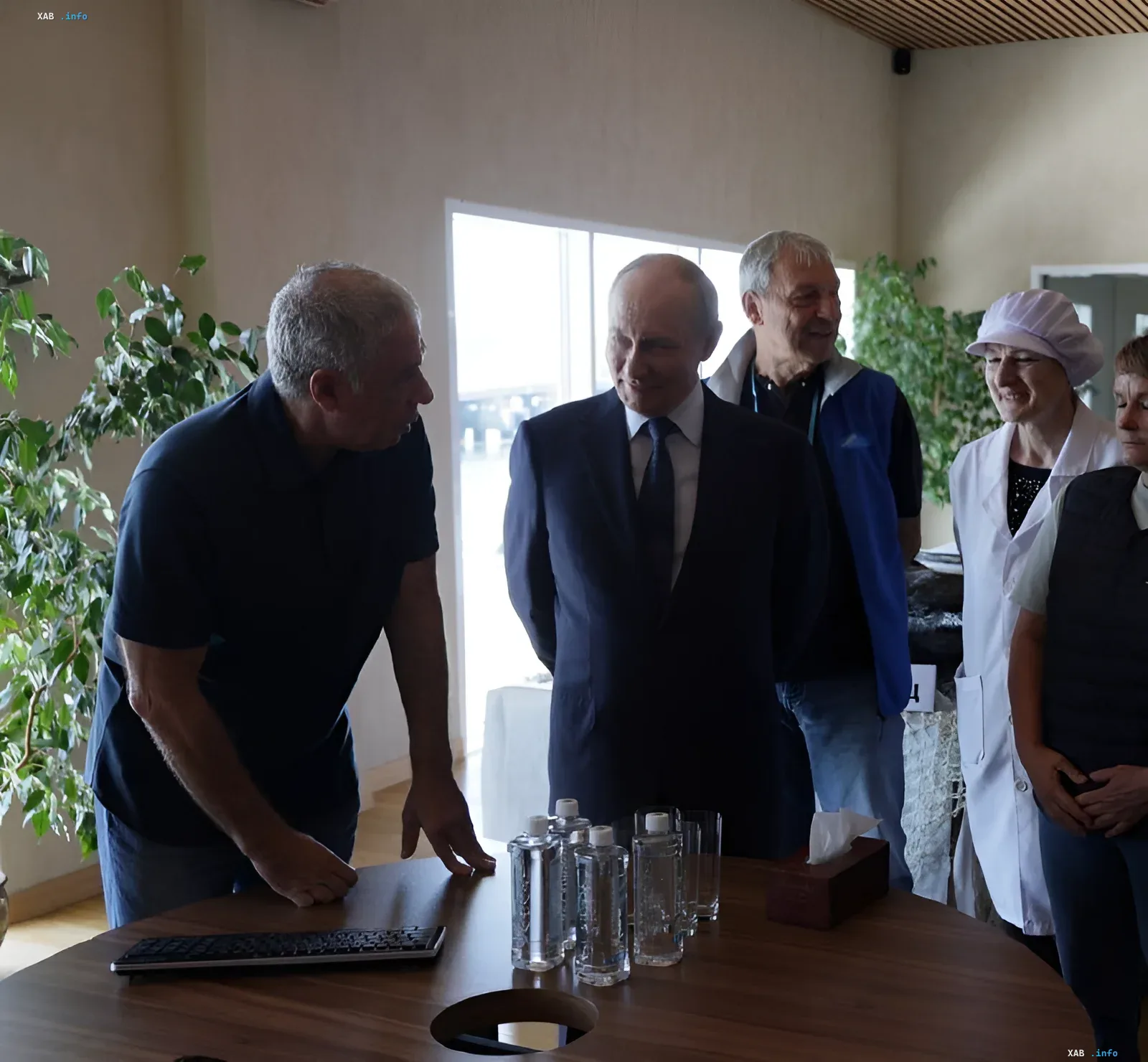
The centerpiece of the visit's program was the 'Yasny' fish processing complex. This town-forming enterprise, specializing in the deep processing of hydrobionts, stands as a symbol of the island's economic potential. The President personally inspected the production facilities, met with management, and discussed the prospects for the industry's development with local residents.
Beyond economic issues, Vladimir Putin paid attention to social infrastructure. His schedule included visits to the central district hospital and the school named after Hero of Russia Eduard Norpolov. These visits were intended to show the residents of this remote region that the state cares about their daily and social problems. Administrative talks were also held with the Governor of the Sakhalin Region, Valery Limarenko, focusing on the comprehensive socio-economic development of the island cluster.
Diplomatic Storm: Tokyo's Reaction
The Russian leader's visit to Iturup triggered an immediate and harsh reaction in Tokyo. The Ministry of Foreign Affairs of Japan issued an official protest, and Foreign Minister Toshimitsu Motegi made a statement expressing strong disagreement with Moscow's actions. For Japan, this visit confirmed that Russia has no intention of making concessions on the territorial issue, despite past diplomatic efforts.
Tokyo's position remains unchanged: the islands of Iturup (Etorofu), Kunashir, Shikotan, and the Habomai group are the 'Northern Territories' and an integral part of Japan. In the diplomatic reference book 'Blue Book', the Japanese government officially defines these territories as being under illegal occupation. Putin's visit to Iturup is perceived by the Japanese side as an attempt to legitimize the occupation and a final refusal to negotiate a peace treaty.
Legal Status and Geopolitical Context
From the perspective of international law, the situation remains complex and contradictory. The Russian Federation insists that sovereignty over the Southern Kurils is unconditionally established following the outcome of World War II, enshrined in the UN Charter and relevant international agreements. Moscow believes that consultations on a peace treaty were suspended in March 2022 due to unilateral sanctions by Japan, which joined Western pressure.
Thus, the visit on August 13, 2026, became a sort of point of no return in diplomacy. On one hand, Russia demonstrates de facto control and development of the territory; on the other, Japan continues to insist on its rights, making the signing of a peace treaty in the foreseeable future practically impossible.