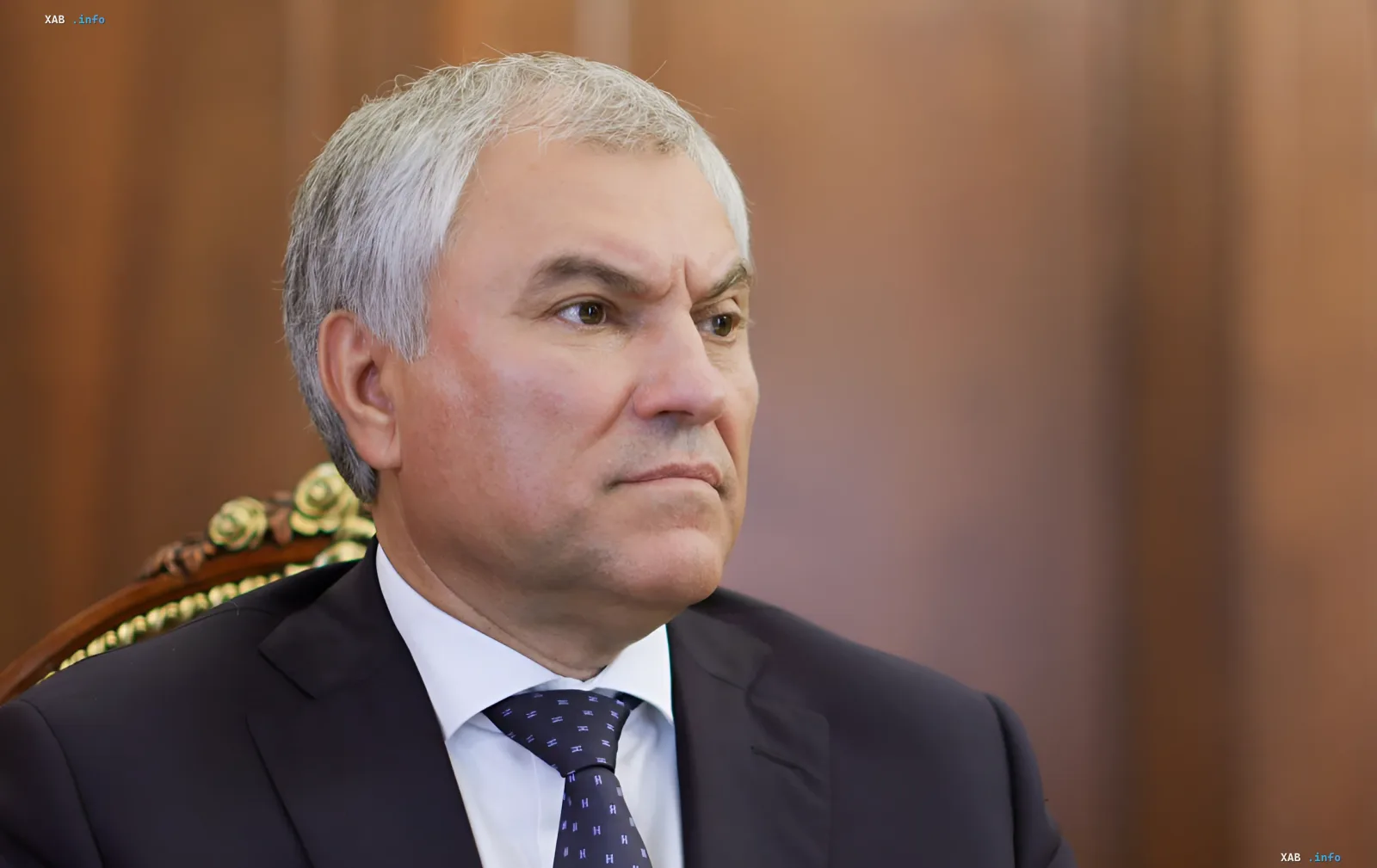
Against the backdrop of a fresh flare-up in Russian-Japanese relations over the Kuril Islands, the speaker of the Russian State Duma, Vyacheslav Volodin, publicly threatened Tokyo, reminding it of Russia's status as a nuclear state. The statement was made in his Telegram channel and was reported by the RBC-Ukraine outlet. The rhetoric of the speaker of the lower chamber of the Russian parliament has become the harshest in a recent series of diplomatic demarches over the disputed islands.
A Threat from the Walls of the State Duma
Volodin accused Japan of resorting to confrontational rhetoric due to its territorial claims on the Kuril Islands. He reiterated the claim that the Kurils "are an integral part of the Russian Federation," and defiantly called on Japan to "remember its own history," referring to a "militaristic" country that, in his words, "destroyed millions of peaceful citizens." The climax was a direct threat: "A nuclear state, which Russia is, cannot be defeated."
Context: Putin's Visit to the Kurils
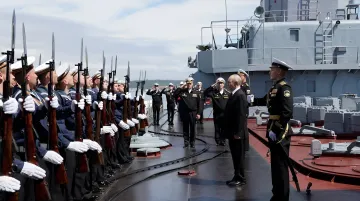
A new escalation in relations between Moscow and Tokyo occurred on August 13, 2026. It was then that Russian President Vladimir Putin visited the Kuril Islands for the first time in 26 years of his rule, including Iturup Island. Against the backdrop of this visit, Tokyo expressed a firm protest to Moscow, which became the trigger for further escalation of rhetoric on both sides.
Tokyo's Reaction
Japanese Prime Minister Sanae Takaichi stated that Iturup, as well as Kunashir, Shikotan and Habomai, are "Japan's ancestral territory," and called the Russian leader's trip "completely unacceptable." In addition, Japanese Foreign Minister Yoko Kamikawa summoned the Russian ambassador to Tokyo, Nikolai Nozdrev, and Tokyo is reportedly preparing a firm response to the new "provocation" by the Kremlin leader.
Contradictory Data
The two sides give incompatible versions both on the legal status of the islands and on the assessment of the visit itself. Russia (through Volodin's statement and Putin's visit itself) insists that the Kuril Islands are "an integral part of the Russian Federation," and interprets the trip as a normal state act. Japan, by contrast, considers these islands "its ancestral territory" and qualifies Putin's visit as a "completely unacceptable" provocation. Thus, the discrepancy concerns not only the ownership of the islands but also the very nature of what happened: for Moscow it is a confirmation of sovereignty, for Tokyo an act of pressure. The sides have no common factual basis on the status of the islands.
What This Means
The escalation of rhetoric at the level of the speaker of the lower chamber of the Russian parliament, combined with Tokyo's diplomatic demarche, points to a further deepening of the rift in relations. Japan is preparing a firm response, while Moscow is intensifying its confrontational tone, relying on its nuclear status. In the coming weeks, the diplomatic exchange of statements is expected to only grow.