On November 1, Qatari mediators concluded another round of talks aimed at ending the war between the US and Iran. According to Reuters sources familiar with the discussions, the Iranian delegation left Doha on Sunday, and their departure was not linked to any issues during the negotiations. A new draft peace proposal is currently being circulated, and the possibility of a subsequent meeting between the parties is not ruled out. Thus, despite prior military clashes, the diplomatic track remains active.
Course of Negotiations in Doha
As reported by Iranian Foreign Ministry spokesperson Esmaeil Baghaei, Iranian Deputy Foreign Minister Kazem Gharibabadi was in Doha with the task of facilitating message exchanges with Washington through Qatari mediators. According to Baghaei, Tehran's position was conveyed to the American side precisely via Qatari mediation. He asserted that Iran did not allow the negotiations to be diverted toward its nuclear program, calling the event "a failure of Washington's attempts to steer the talks toward nuclear issues."
Seven-Step Plan and Naval Blockade
Baghaei emphasized that the backbone of the negotiation process remains the seven-step plan developed by Tehran back in September. It provides for the resumption of navigation in the Strait of Hormuz and the lifting of the US naval blockade against Iran. The Iranian side proposes implementing this plan on a shorter timeline as part of a future agreement. The Foreign Ministry spokesperson listed the steps Tehran expects from Washington to restore navigational safety: removing obstacles to Iranian commercial vessels, lifting unilateral American sanctions, and halting military interventions. "Our demands were formulated very clearly and transparently. These demands are justified and logical: no final agreement can be concluded, and the Strait of Hormuz cannot be opened or protected until the US naval blockade is lifted, Iran's demands are respected, and laws are taken into account," Baghaei stated.
Timeline for Opening the Strait of Hormuz
Separately, Iranian Foreign Minister Abbas Araghchi commented on potential timelines. On Saturday, Qatari broadcaster Al Jazeera quoted him as stating that under the terms of the upcoming agreement, the Strait of Hormuz could be opened within two days. The initial Iranian plan allotted seven days for this; Tehran is now offering to accelerate the process, effectively compressing the previously announced timeframe within the framework of the same seven-step plan.
Washington's Position and Military Scenario
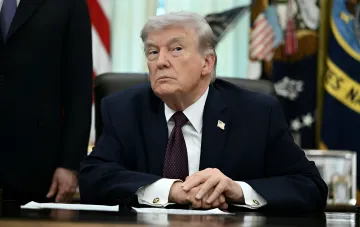
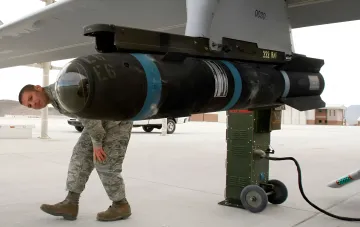
At the same time, Iran's initial proposal was rejected by US President Donald Trump. Nevertheless, diplomatic contacts continue, and the possibility of a new meeting between the sides is not ruled out. Against this backdrop, as the American publication The Atlantic writes, Trump is considering resuming military operations against Iran to force Tehran back to the negotiating table. According to the publication, the White House is discussing several scenarios for new strikes—ranging from a short operation to a campaign lasting several weeks.
Tehran's Reaction
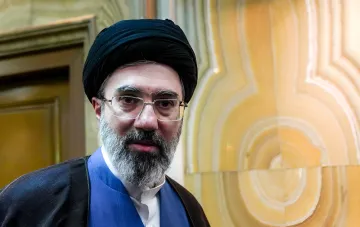
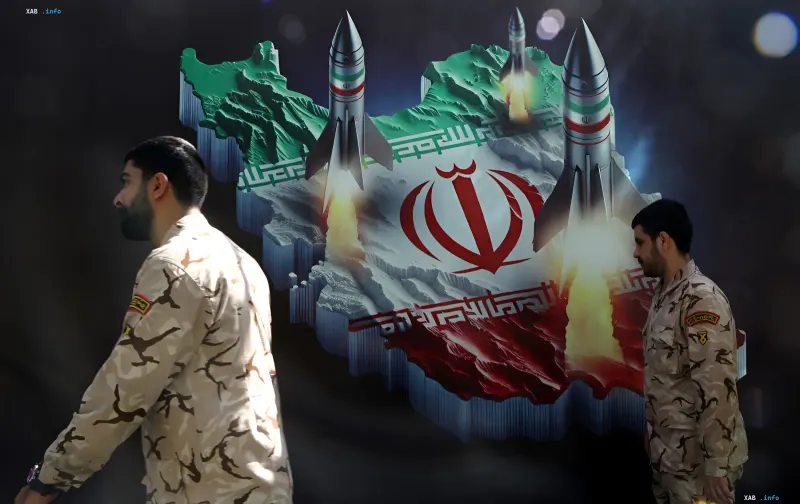
Amid discussions of potential strikes, Iran's Supreme Leader Mojtaba Khamenei has reportedly ordered the military command to prepare for a possible resumption of the active phase of the war with the US and Israel. Simultaneously, as noted earlier, the US and Iran have moved on to discussing guarantees within a potential peace agreement, with the procedure for fulfilling obligations remaining one of the primary issues. The combination of these signals indicates that the diplomatic and military tracks are developing in parallel, and the outcome of the Doha round is not final.