On August 19, 2026, the Verkhovna Rada of Ukraine took a significant step in enhancing citizen safety by passing Bill No. 15397 in the first reading. Authored by the 'European Solidarity' faction, the document aims to fundamentally change the rules for the use and maintenance of protective structures. Deputies voted for the basis of the law, which introduces strict restrictions for tenants and owners of premises used as shelters.
Ban on Commercial Use and Cluttering
The key innovation of the bill is a direct ban on the use of shelters for purposes other than intended. In practice, this means that premises designed to protect the population during air raids can no longer be used as warehouses, offices, or places for storing personal belongings. Deputies intend to eradicate the practice where bunker entrances are blocked by foreign objects, which puts people's lives at risk in the event of a sudden attack.
Technical Control and Monthly Inspections
To ensure transparency and accessibility of shelters, the bill provides for the mandatory installation of video surveillance systems. Cameras must record the condition of entrances and the presence of obstacles. Additionally, a requirement for monthly inspections of protective structures is introduced. This will allow for the prompt detection of violations and the prosecution of those responsible, without waiting for tragic incidents.
Protection of Tenants' Rights and Liability for Obstructions
Under martial law, the bill introduces a moratorium on the termination of lease agreements for premises used as shelters. This is intended to guarantee that shelters will not be closed or transferred to other use at critical moments. It is also proposed to introduce liability for individuals who physically prevent citizens from entering a shelter. A blocked entrance or refusal of access may become grounds for legal prosecution.
Modular Shelters and Accessibility Issues
The document also contains a provision for increasing the number of rapidly deployable modular shelters in public places. This is a response to criticism from the Verkhovna Rada Commissioner for Human Rights, Dmytro Lubinets, who previously pointed out that most existing shelters have serious shortcomings. In particular, they are often inaccessible to people with disabilities or overcrowded, which reduces their effectiveness.
Contradictory Data
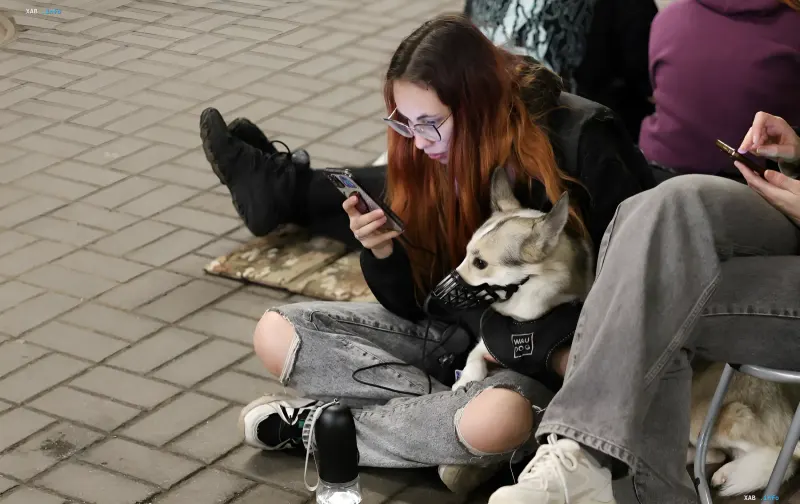
Despite unanimous support for the initiative in the first reading, there are still disputes in society regarding the implementation of some provisions. In particular, Kyiv residents and experts are discussing the appropriateness of installing tents at metro stations during attacks. On the one hand, this allows for more people to be accommodated; on the other, citizens complain that tents take up too much space, hindering movement and access to exits. The bill currently does not give a clear answer to this question, leaving it to the discretion of local authorities.