
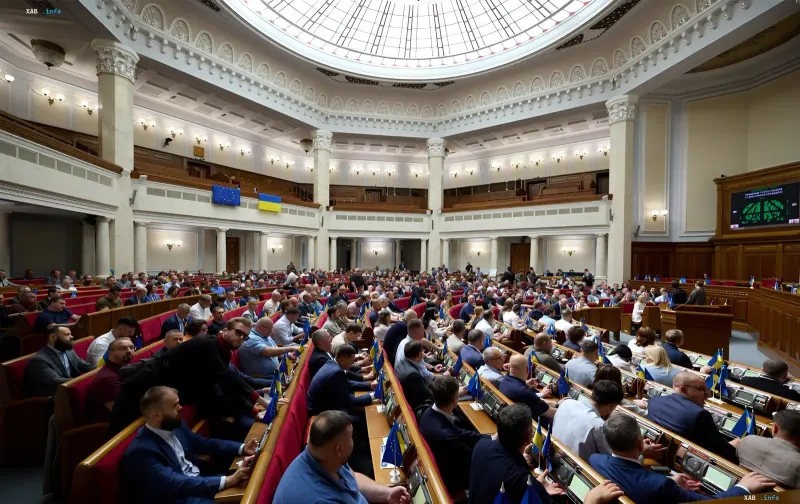
On November 11, the Verkhovna Rada of Ukraine adopted in full the draft law No. 16037-d on the simplification of value added tax (VAT) administration. The document was refined based on the government's draft law No. 16037 and is aimed at reducing the administrative burden on taxpayers and making interaction with regulatory bodies more predictable. According to RBC-Ukraine, citing the draft law's profile, the changes affect tax reporting, audit procedures, and the taxation rules for specific operations.
Pre-filled declarations and choosing a reporting period for sole traders
A key innovation is the ability to receive pre-filled VAT declarations and tax invoices. These will be generated based on information already contained in the electronic systems of the State Tax Service; the volume of data and the procedure for its use will be determined by the Ministry of Finance. For sole traders registered as VAT payers, the right is introduced to independently choose the reporting period — to file reports monthly or quarterly. In addition, the threshold for ordering audits of budget refund claims and negative VAT values is increased from 100,000 to 1 million hryvnias.
Consolidated invoices, challenging audits, and "white business"
Specific changes concern the preparation of consolidated tax invoices: such a right will be granted to payers who have received advance payments for goods or services in an amount exceeding the value of the volume supplied during the month in case of rhythmic or continuous supply, including transactions where volumes are determined by metering devices. Taxpayers will be able to challenge liability amounts accrued based on the results of audits; however, if the decision is in favor of the regulatory body, penalties and interest must be paid in full. For enterprises undergoing reorganization through conversion, there is a provision to transfer negative VAT values to the tax credit without a documentary audit. The criterion for classification as "white business" will also change: instead of 12 reporting tax periods, four quarters will be taken into account.
Identifiers in invoices and tax on vehicle sales
The law establishes additional requirements for filling out tax invoices. When selling vehicles under tariff headings 8702–8705 (passenger cars, trucks, buses, special equipment), it will be mandatory to indicate the VIN code, and for the sale of smartphones and other phones — the international IMEI identifier. A separate section concerns income of individuals from the sale or exchange of vehicles: income from the sale of one passenger car, motorcycle, or moped during the year will not be taxed if the vehicle was owned for more than 183 days from the moment of state registration. This rule does not apply to vehicles inherited; in other cases, a rate of 5% or 18% is determined considering the period of ownership.
Tobacco stamps, mortgage bonds, and entry into force
The document also provides temporary relief for cigarette importers: until December 31, 2026, they will be able to purchase excise stamps for cigarettes with and without filters without restrictions on accumulating tobacco product inventories, and tax legislation is being aligned with changes in the field of mortgage bonds. The draft law was developed to fulfill Ukraine's international obligations to the European Union and the International Monetary Fund, and its adoption is cited as one of the key conditions for receiving macro-financial assistance from the EU and funding tranches from the IMF. After being signed by the president, the document will enter into force on the day following its official publication; individual provisions will begin to take effect on January 1, 2027, and some norms from July 1, 2027, but not earlier than the entry into force of the Law of Ukraine "On Securitization and Covered Bonds".