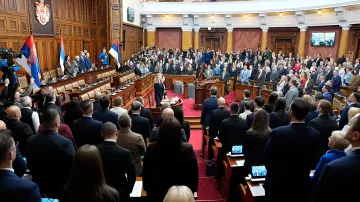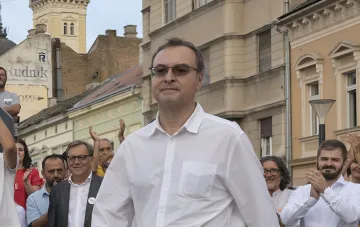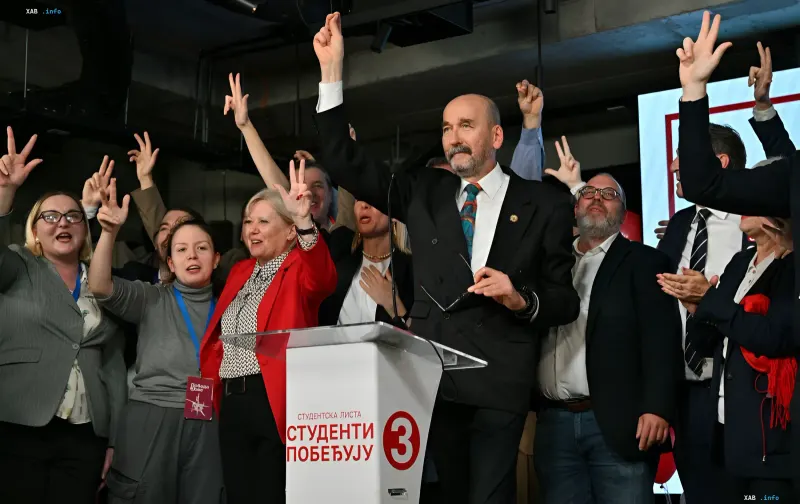
The political movement "Student List" has officially nominated 65-year-old Radomir Sajicic for the presidency of Serbia. According to reports, the decision to back him was made on Friday, and the presidential election itself is scheduled for December 27. Sajicic is an organic chemistry lecturer at the University of Belgrade and a member of parliament who is expected to resign his mandate to run in the presidential race. His public profile was forged against the backdrop of nearly two million anti-government protests led by students that later evolved into a full-fledged political force.
From protest movement to parliamentary majority
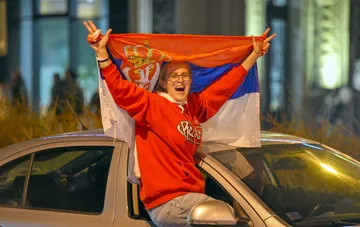
The "Student List" grew out of protests that began after the canopy collapse at the Novi Sad railway station in 2024, which killed 16 people. The movement united and won the early parliamentary elections on October 25, winning over 52% of the vote and outpacing the United Serbia party, which scored 39%. Following the vote, the "Student List" secured 140 of the 250 seats in parliament and is gradually wresting the levers of power from Aleksandar Vucic's party. However, the movement has not yet proposed a candidate for prime minister, and the government has not yet been formed.
A political showdown for Vucic
Aleksandar Vucic himself stepped down as president in September, cutting short his second mandate to return to power as prime minister. On September 27, he announced his resignation from the presidency and called early parliamentary elections for October 25. That gamble failed: that same evening, Vucic conceded defeat, stating, "We lost these elections." According to reports, he suggested his party might not field a candidate in the presidential election, with a final decision to be made at a party congress in early December.
What's next
Thus, the December 27 presidential campaign will unfold as the ruling opposition force already controls a parliamentary majority but has yet to form a government, while the former president's party may be left without its own candidate. Sajicic's candidacy, which combines academic status with ties to the student protests, is positioned as a continuation of the movement that came to power on a wave of public sentiment.