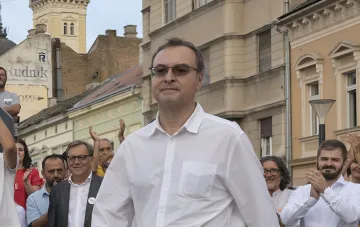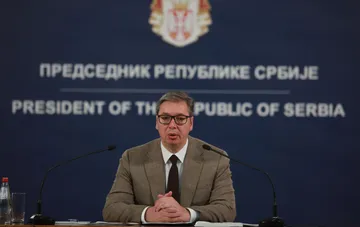
In the early parliamentary elections in Serbia held on October 25, 2026, the Student List secured a decisive victory, outperforming former President Aleksandar Vucic's political force by more than 13%. According to the Republic Electoral Commission after processing 98.71% of ballots, the winners gained 52.64% of the vote, while the United Serbia list received 39.22%.
Vote Count Results and Regional Breakdown
Following the tabulation of almost all ballots, the Student List won in 22 cities across the country, including the Serbian capital of Belgrade. The opposition movement received its highest support in Novi Sad, where 63.2% of voters cast their ballots for it, while the Serbian Progressive Party gathered 31.59% there. Strong results were also recorded in Pancevo at 58.8%, Zrenjanin at 55.53%, and Vrsac at 55.5%. The narrowest margin was observed in Kikinda, where the Student List gathered 46.55% and its main rival received 46.11%.
Seat Distribution and Government Formation
According to assessments by Serbian public broadcaster RTS, the Student List could secure 141 seats in the new parliament. This number of mandates is sufficient to form an independent majority without creating coalitions. Upon completion of all electoral procedures, the winners will need to approve the legislative leadership and establish a new cabinet.
International Reaction and Background of the Vote
Ukrainian President Volodymyr Zelenskyy congratulated Serbia on the Student List's victory, calling the outcome a new page in the history of the people and expressing hope for expanded bilateral cooperation. The snap elections were scheduled amid nearly two years of anti-government protests. Mass demonstrations began following the deaths of 16 people due to the collapse of a shelter canopy at the Novi Sad railway station in 2024.
Significance of Changes for the Country's Political Future
The shift in Serbia's political course marks the end of the long-term dominance of forces associated with Aleksandar Vucic, who previously acknowledged his grouping's defeat. The new leadership will have to not only form a functional government but also address the demands of a society weary of a prolonged political crisis and seeking systemic changes.