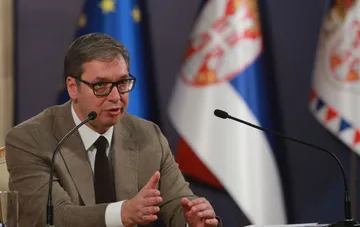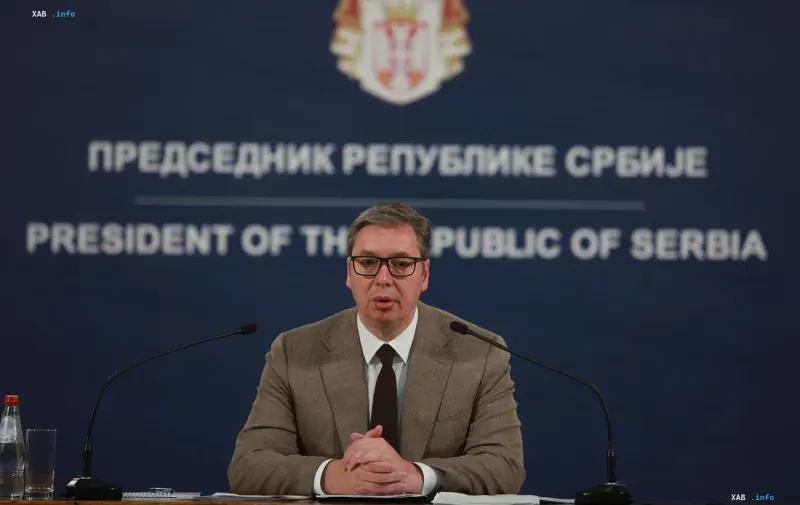
In the snap parliamentary elections held in Serbia on October 25, the opposition Student List, which emerged from mass anti-government protests, secured a victory. According to preliminary data from a stratified sample, the political force is set to win between 135 and 140 out of 250 mandates in the national parliament. Former country president Aleksandar Vucic, who led the United Serbia list, publicly acknowledged his political alliance's defeat and congratulated his opponents.
Election Results and Parliamentary Breakdown
Forming an independent cabinet in the Serbian parliament requires a threshold of 126 parliamentary mandates. The opposition Student List, based on preliminary estimates, comfortably surpasses this figure, securing up to 140 seats. Meanwhile, the coalition led by Aleksandar Vucic is projected to win around 105 mandates. According to the politician, voter turnout reached an unprecedented high of nearly 68 percent, ensuring strong legitimacy for the election results.
Vucic noted that his political alliance won among the Serbian population abroad—in the Republika Srpska, Montenegro, North Macedonia, and Kosovo. However, domestic support overwhelmingly favored the protest movement. Celebrations and festivities have already begun in downtown Belgrade at the winners' headquarters.
Background and Causes of the Snap Elections
This political earthquake is the culmination of a large-scale crisis that has gripped Serbia in recent years. Snap elections were called on September 5 when Aleksandar Vucic dissolved parliament amid prolonged anti-government protests. Unrest began following the tragic events in Novi Sad in 2024, where 16 people died after a railway station canopy collapsed. It was out of this grassroots protest movement that the influential Student List grew.
Seeking to legitimize his participation in the electoral process alongside other citizens, Vucic stepped down as president in late September to head the United Serbia coalition list. Despite gathering over 1.7 million votes, it proved insufficient to maintain a parliamentary majority amid high turnout and the consolidation of the protest electorate.
Vucic Statements and Potential Foreign Policy Consequences
Speaking to supporters after polling stations closed, Aleksandar Vucic harshly characterized his opponents, calling them "performers of dirty work" acting on external orders. He also made a high-profile statement regarding the country's future course, forecasting imminent changes in Belgrade's foreign policy. According to him, the new government could impose sanctions against the Russian Federation by March or April.
The former president promised to act responsibly to prevent street unrest or clashes in the country, emphasizing that he does not intend to leave the political arena. Experts note that the accession of the new opposition coalition to power could significantly reshape both Serbia's domestic political life and its traditional foreign policy priorities.