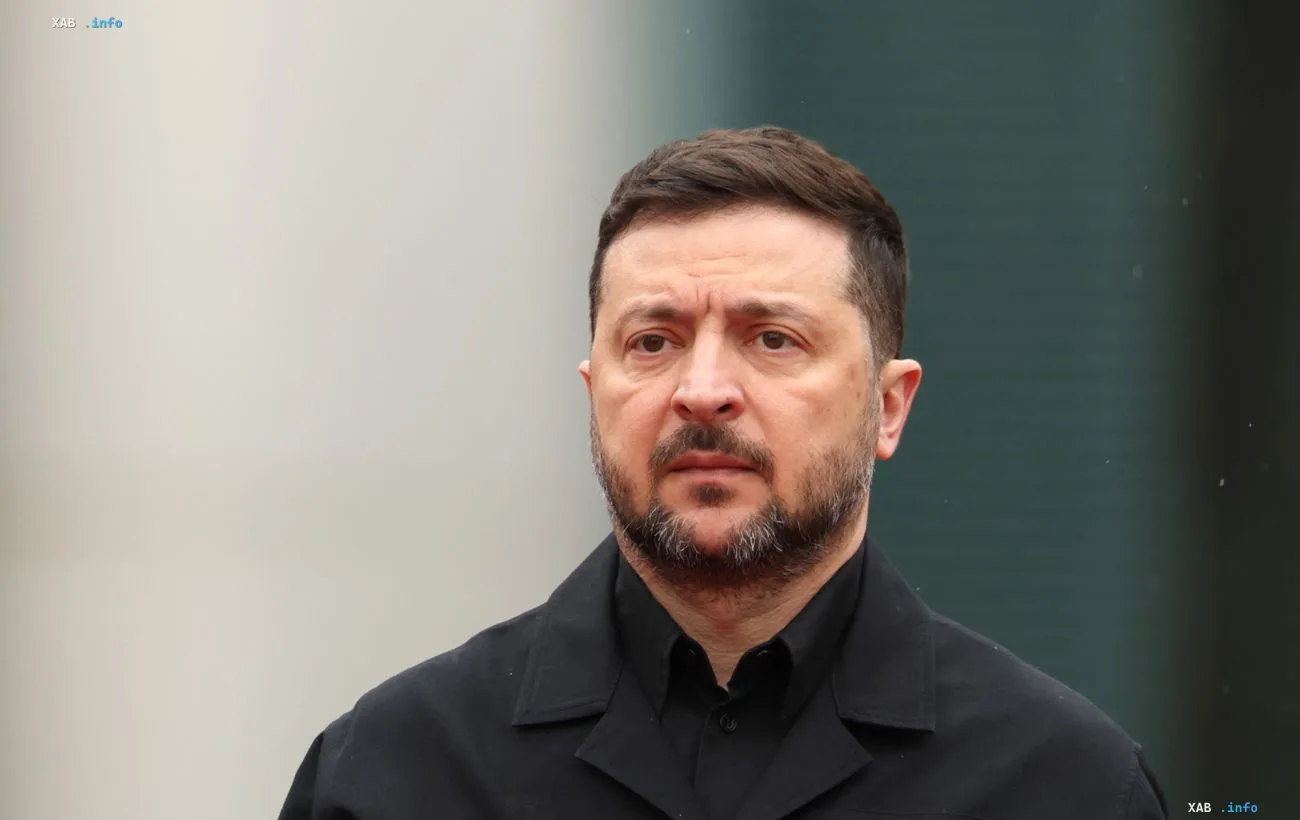
Following his meeting with US President Donald Trump, Volodymyr Zelensky stated that Raytheon, a key manufacturer of interceptor missiles for the Patriot air defense systems, is ready to begin producing them on Ukrainian territory. The head of state told journalists this while revealing details of the defense cooperation discussions with Washington. The statement came against the backdrop of Kyiv's ongoing efforts to strengthen its own air defense capabilities and reduce dependence on external supplies.
The Role of Advisor Palisa and the Negotiation Channel
According to Zelensky, direct contact with Raytheon representatives was maintained by his advisor Pavlo Palisa, who, as the president noted, has already held the relevant consultations with the US side. It was precisely through this channel, Kyiv claims, that an understanding was reached regarding the corporation's technical and organizational readiness to launch interceptor production in Ukraine. Thus, the initiative is being pursued not only at the level of top political figures but also at the level of specialized advisors, indicating the existence of a working group on the project.
Licenses and Washington's Position
Zelensky identified the need to obtain licenses as a key condition for implementing the project, which would allow Ukraine to set up its own production of missiles for the Patriot system. "We need licenses to prepare the production of Patriot. The company Raytheon is ready; I asked President Trump to help with this. He responded positively," the Ukrainian leader stated. Accordingly, at the current stage, the main external factor remains the US decision on licensing issues, without which the launch of local production is impossible.
Timeline: "Work for the Future"
Zelensky emphasized that Ukraine plans to begin implementing this project within one to one and a half years. He explicitly characterized the initiative as "work for the future, for the long term," which allows it to be regarded as a strategic rather than an operational step. The president's wording indicates that in the short term, Kyiv does not expect mass production of interceptors domestically and will continue to rely on imported supplies.
Context: European Interceptor Deliveries
The statement on local production comes against the backdrop of active deliveries of Patriot missiles to Ukraine by European partners. In particular, Germany is preparing to transfer an additional batch of interceptors — 10 MIM-104E GEM-T units worth $29.6 million, previously received by Berlin from Washington. Poland, for its part, plans to include missiles for Patriot systems in a new military aid package worth a total of 50 million euros. According to Bloomberg, a number of European countries intend to request additional Patriot missiles from the US in the interest of Ukraine, underscoring the systematic nature of the efforts to strengthen air defense.
Significance for Air Defense
The localization of interceptor production for the Patriot system, if realized, could become one of the most significant elements of Ukraine's long-term air defense strategy: it would help reduce the ammunition shortage, speed up replenishment of stockpiles, and lower logistical risks. At the same time, as Zelensky himself emphasizes, the project is designed for a horizon of one to one and a half years and depends on US licenses, so in the near term the foundation of defense will still be direct supplies from the US and Europe.