Russia's energy landscape is undergoing radical changes. Following a series of powerful strikes on key facilities of the fuel and energy complex (FEC), the Russian economy has faced an unprecedented shortage of fuel and lubricants. In response to the decline in domestic production, Moscow has been forced to increase imports, with the Republic of Belarus becoming the leading supplier.
July Record: Dependence on the Neighbor
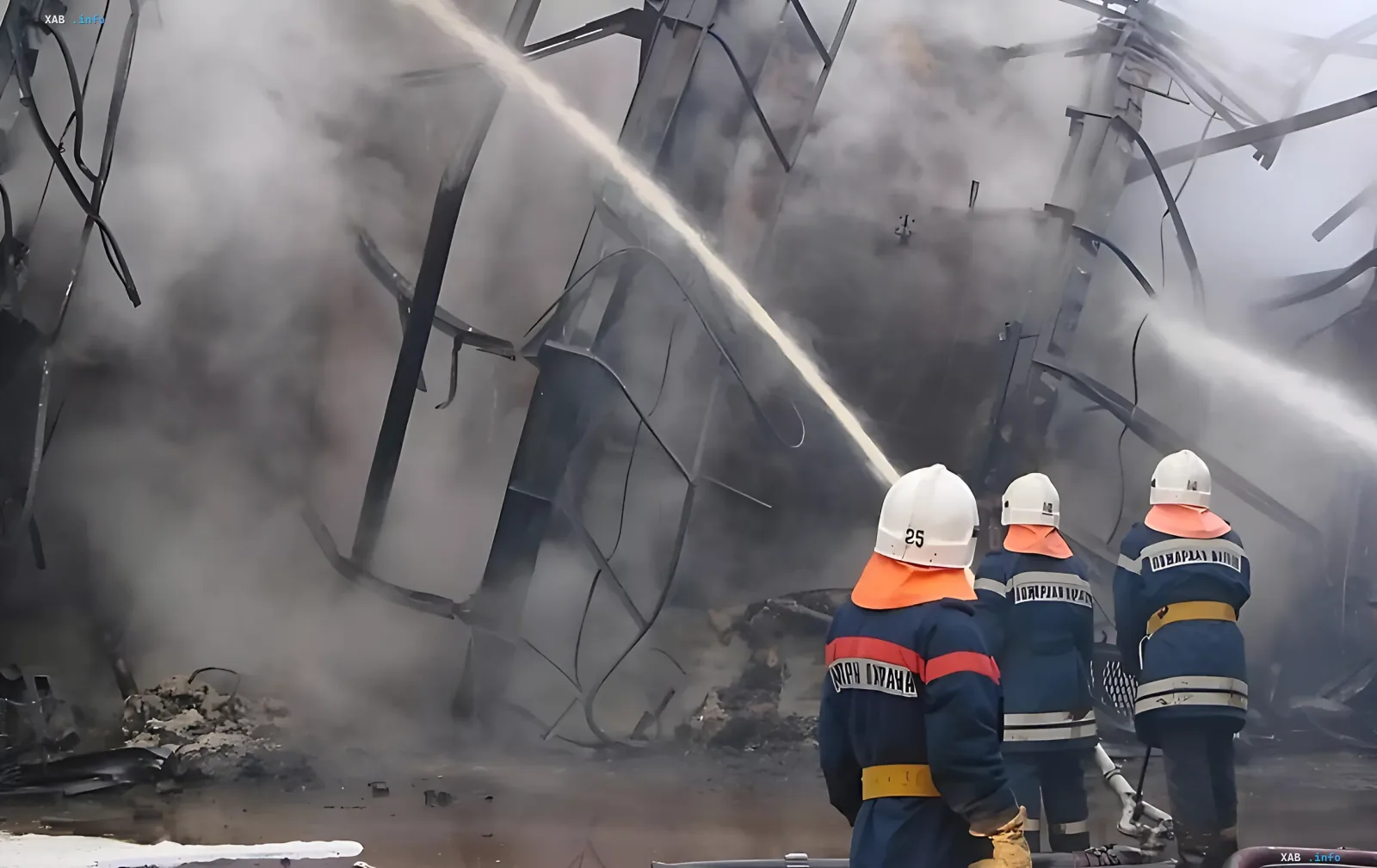
According to analytical agencies, in July, supplies of gasoline and diesel fuel from Belarus to Russia reached an all-time high. This was a direct consequence of the shortage caused by unscheduled shutdowns of Russian oil refineries (OR). Mass downtime was triggered by damage sustained during attacks by Ukrainian drones, which continued for several months.
Statistics for July demonstrate the scale of the problem. Railway supplies of gasoline from Belarus increased by 13% compared to June, reaching 212,000 tons. The situation with diesel fuel is even more dramatic: its imports doubled during the same period, totaling 162,000 tons.
If looking at a longer-term perspective, in the first seven months of 2026, the volumes of gasoline supplies from Belarus to Russia increased 25-fold compared to the same period last year, reaching almost 665,000 tons. Diesel fuel imports grew almost sevenfold — to 418,000 tons.
Production Crisis and Export Restrictions
In early July, Russia's production capacity was operating with critical delays. Gasoline output fell to approximately 65% of average seasonal consumption, while diesel fuel production dropped to practically the level of domestic demand. Against the backdrop of this shortage and rising prices, the Russian government was forced to impose a ban on diesel fuel exports, leaving exceptions only for previously concluded contracts and intergovernmental agreements. Previously, similar restrictions were already in place regarding gasoline and aviation fuel.
Interestingly, imports of aviation fuel from Belarus in July, conversely, decreased from 16,000 tons in June to about 13,100 tons, which may indicate specific logistics or the existence of other supply channels for aviation.
Supply Diversification and SBU Strikes
Understanding the risks of dependence on a single partner, Russia began to diversify import sources. In addition to Belarus, gasoline supplies are now being made from India, Kazakhstan, and Morocco.
The roots of the current situation lie in a large-scale operation by the Security Service of Ukraine (SBU). As part of a 40-day campaign, running from July 27 to August 2, strikes were launched against Russia's military and fuel and energy infrastructure. Among the damaged facilities were oil refineries in Perm, Volgograd, and Ufa, as well as the Khanskaya military airfield, radar stations, ammunition depots, and the infrastructure of the Taman port.
Attacks continued even after the main phase of the operation concluded. Thus, on the night of August 4, Ukrainian drones attacked the Syzran Refinery in the Samara region. These events clearly demonstrate how targeted strikes on critical infrastructure can overturn the logistical chains of an entire state.