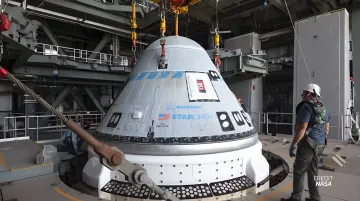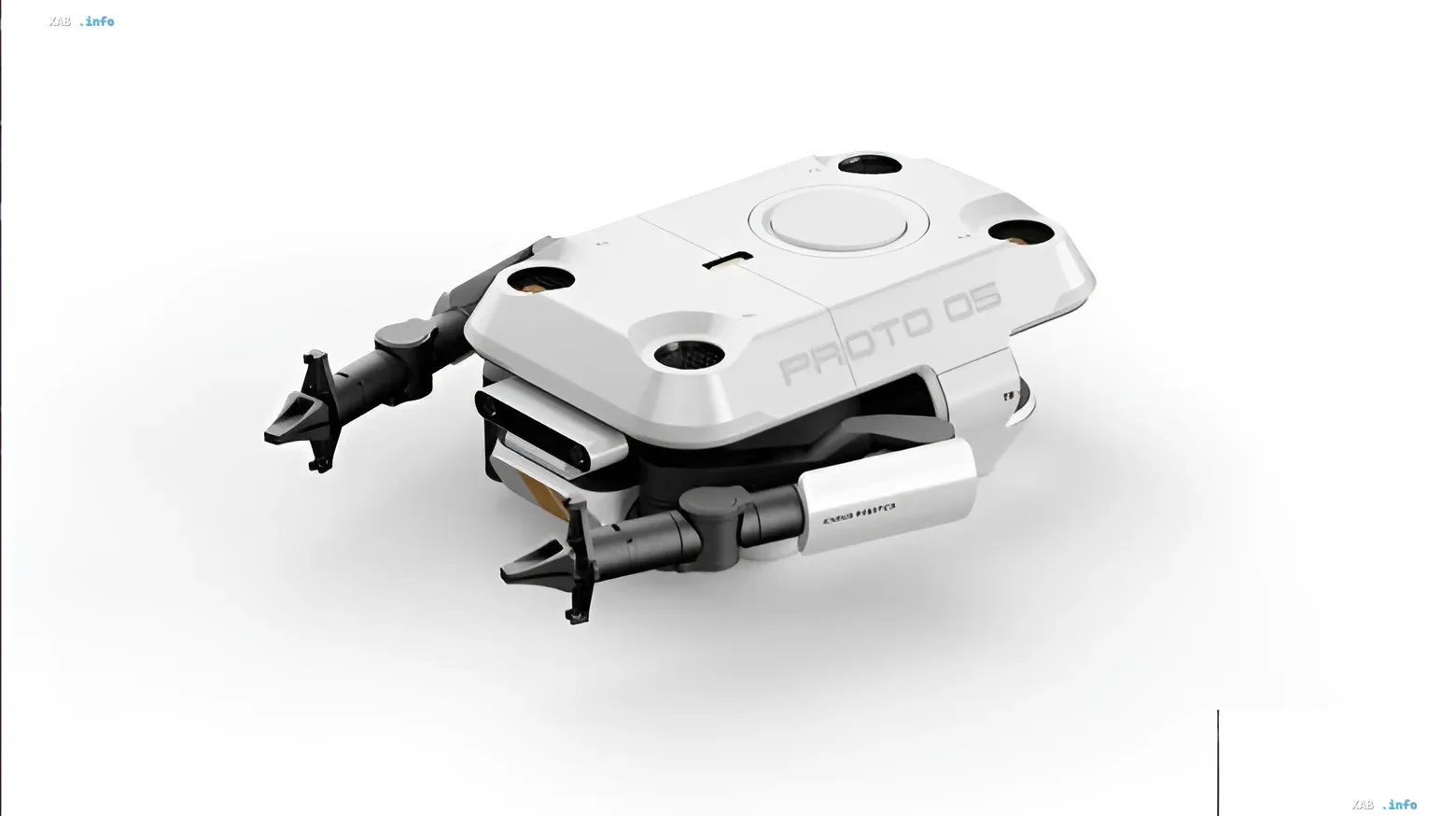
A significant technological breakthrough is brewing in the space industry. American startup Icarus Robotics, which developed the autonomous flying robot Joy, has selected KULR Technology Group as the supplier of critical components — batteries. This cooperation will form the foundation for the Joyride-1 mission, scheduled for early 2027, when the robot will first travel to the International Space Station (ISS).
Safety First
The task facing the engineers goes far beyond simply creating a power source for a satellite. The Joy robot is designed to operate directly alongside the crew, inside the habitable modules of the station. This imposes colossal safety requirements. Ethan Barajas, CEO of Icarus Robotics, emphasizes that creating such systems is a significantly more complex and expensive process compared to standard space equipment.
The top priority is to eliminate even the slightest risk of fire or thermal runaway of the battery inside the station's enclosed space. Any accident under such conditions could be fatal for the crew, so the standards are stricter than for any other spacecraft.
Technologies Proven in Flight
KULR Technology Group has taken responsibility for creating the K1S (KULR One Space) battery systems. The company's head, Michael Mo, confirmed that the batteries will be developed in accordance with NASA's strictest requirements for manned flights. Engineers will adapt the systems to the unique dimensions, shape, and power consumption profile of the Joy robot.
It is important to note that the technology is not experimental. KULR already has successful experience using similar batteries in space: previously, similar systems passed flight qualification on a cubesat launched as part of the ambitious Artemis II mission. This provides confidence in the reliability of the solution for the Joyride-1 mission.
The Future of Autonomous Spaceflight
The Joyride-1 mission is just the first step towards massive changes in spaceflight infrastructure. Jamie Palmer, CTO of Icarus Robotics, points to an inevitable trend: the development of orbital stations, and in the future, bases on the Moon and Mars, will require a huge number of autonomous electromechanical systems.
We are talking about robots capable of performing inspection, maintenance, and assembly of equipment without human intervention. Since manually servicing complex orbital systems is becoming increasingly difficult, the role of autonomous assistants will grow. Compact and reliable power sources from KULR will become a key element of this future infrastructure, allowing robots to work where human presence is dangerous or impossible.