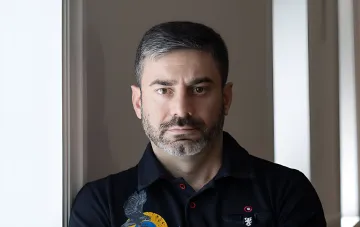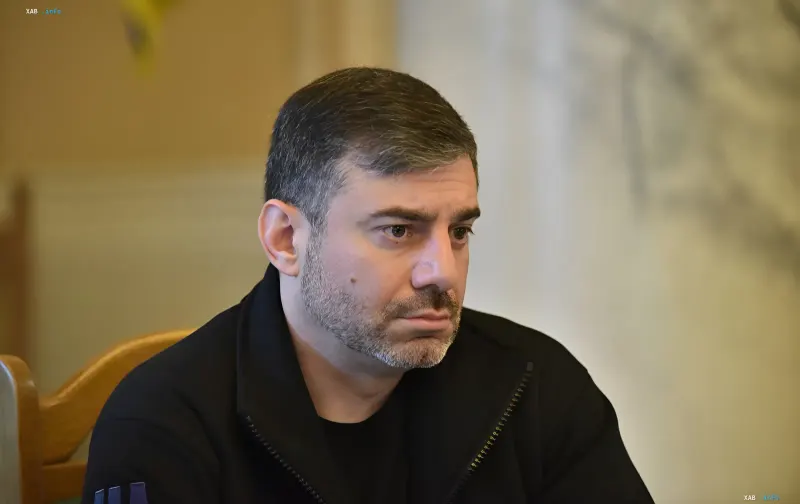
The team of the new Commander-in-Chief of the Armed Forces of Ukraine, Mykhailo Drapaty, has begun actively working to address systemic problems in the sphere of mobilization. This was stated by the Commissioner for Human Rights of the Verkhovna Rada, Dmytro Lyubynets, at a press conference at the Ukrinform agency. According to him, during a working meeting with representatives of the Commander-in-Chief's headquarters, all remarks and recommendations on changing the approach to conscription were promptly accepted for implementation.
First Steps: Dismissal of Leadership in Zakarpattia
The Ombudsman noted that the reaction to his criticism was "fast and positive." Lyubynets emphasized that Drapaty's team has no desire to "turn a blind eye to the problem," which he considers an important positive signal. As the first concrete step, a decision was made to dismiss the regional head of the Territorial Recruitment and Social Support Center (TRSSC) in Zakarpattia. A large-scale inspection has already been sent to the region to establish all the circumstances.
Systemic Violations and Corruption Risks
Earlier, on August 9, Dmytro Lyubynets announced information about systemic human rights violations and the presence of corruption risks in the work of the Zakarpattia TRSSC. According to the Ombudsman, similar cases had been recorded since 2023. In this regard, he sent official appeals to the Armed Forces of Ukraine, the Ministry of Defense, the State Bureau of Investigation (SBI), the Security Service of Ukraine (SBU), the National Police, and the General Prosecutor's Office, demanding an investigation into the activities of the center's leadership and a legal assessment of possible violations.
Assessment of Reform Prospects
In Dmytro Lyubynets' opinion, the prompt reaction of the new command indicates that Mykhailo Drapaty "has all the opportunities to radically improve the situation with mobilization." The Ombudsman expressed hope that the measures taken will become the beginning of a large-scale reform aimed at protecting citizens' rights and increasing the efficiency of conscription bodies throughout the country.
Contradictory Data
Despite the Ombudsman's positive assessment of the headquarters' reaction, disagreements remain within the expert community regarding the scale of violations. While Lyubynets points to the systemic nature of the problems and the need for urgent reforms, representatives of the General Staff previously gave different assessments of the situation. In particular, the Chief of the General Staff, in response to the statement that 90% of mobilization processes are associated with violations, refuted such a high figure, noting that the Ombudsman's statistics do not always correlate with the data of the military department. This creates a certain uncertainty in assessing the real state of affairs in the TRSSC.