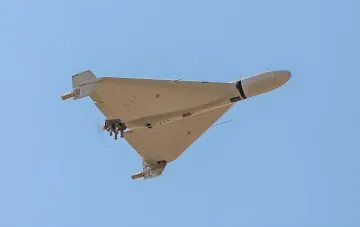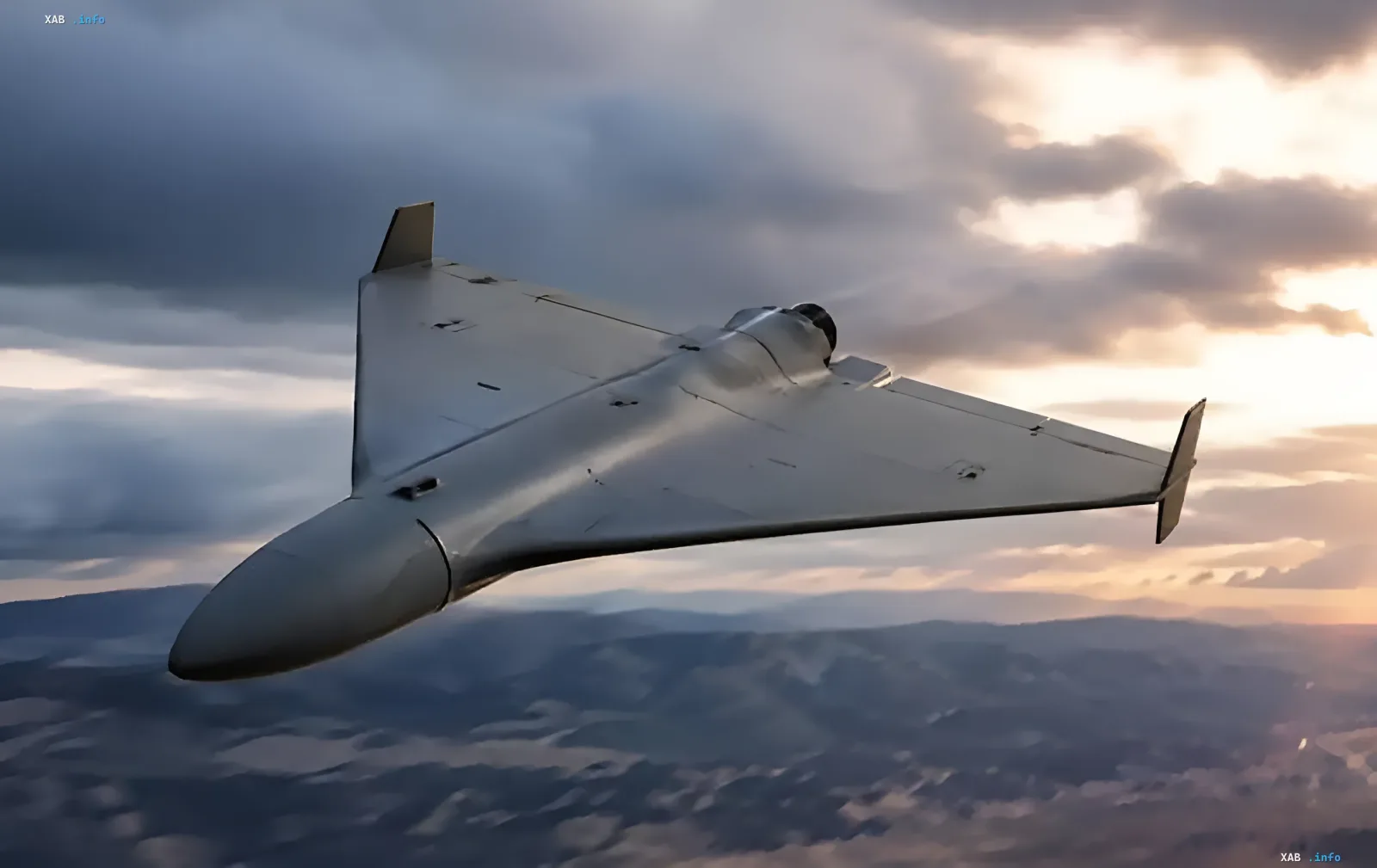
Andrii Kovalenko, head of the Center for Countering Disinformation at the Secretariat of the National Security and Defense Council of Ukraine, stated that Russia has shifted to a tactic of launching small numbers of jet drones in waves with the aim of paralyzing Kyiv. According to him, the adversary lacks the resources for massed strikes, so the focus is on frequent but small salvos. "The goal is to exhaust air defense and the population," Kovalenko emphasized, adding that corresponding decisions will be taken to counter this tactic. The statement came against the backdrop of a series of nighttime strikes on the logistics infrastructure of Kyiv Oblast.
The "wave" tactic: what the CDD says
Kovalenko's key point is that the adversary is deliberately limiting the size of each wave of drones so as not to spend its entire fleet, while keeping Ukraine's air defense system in a state of constant readiness. According to the center's assessment, this approach is aimed not so much at achieving specific tactical objectives as at the systematic exhaustion of air defense assets and psychological pressure on civilians. The CDD promises that a response will be given to this scheme — it involves adjusting interception tactics and the deployment of air defense missile systems.
Night strikes on Kyiv Oblast's logistics
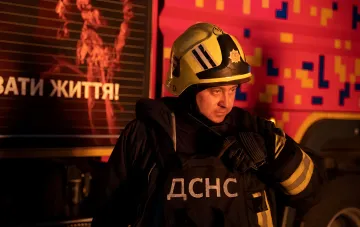
The words about wave attacks coincided with actual nighttime strikes. On the night of August 28, Russian forces attacked Nova Poshta warehouse facilities in the Bilohorodka hromada of Kyiv Oblast: after the first hit, the adversary delivered two more strikes on the same location while firefighting was still ongoing at the site. The previous night, a massed attack was carried out on the region's logistics infrastructure — the distribution centers of the retail chains "Fara," "Dom Ihrushok" (Toy House), and Comfy were damaged or destroyed. According to the data cited in the report, after the first nighttime strike, Kyiv Oblast was subjected to 28 further enemy attacks.
Jet drones as a new challenge for air defense
The context of these strikes is broader: according to Western and Ukrainian observers, Russia is increasingly using jet drones, forcing Ukraine to spend expensive air defense missiles on intercepting relatively cheap targets. As noted in July 2026 by Euronews, and in materials citing The Telegraph, Russia's new jet drones are becoming a notable problem for Ukrainian air defense, as their speed and flight profile complicate interception. This turns each "small wave" into an economically unfavorable scenario for the defender, which confirms the logic described by Kovalenko.
What comes next
The combination of frequent wave salvos against Kyiv and strikes on Kyiv Oblast's logistics indicates an attempt by the adversary to simultaneously pressure the capital and undermine supply chains. The Ukrainian side states that it is preparing decisions to counter such a tactic. The dynamics of jet drone use and the effectiveness of their interception remain one of the key factors determining the load on the air defense system in the coming weeks.