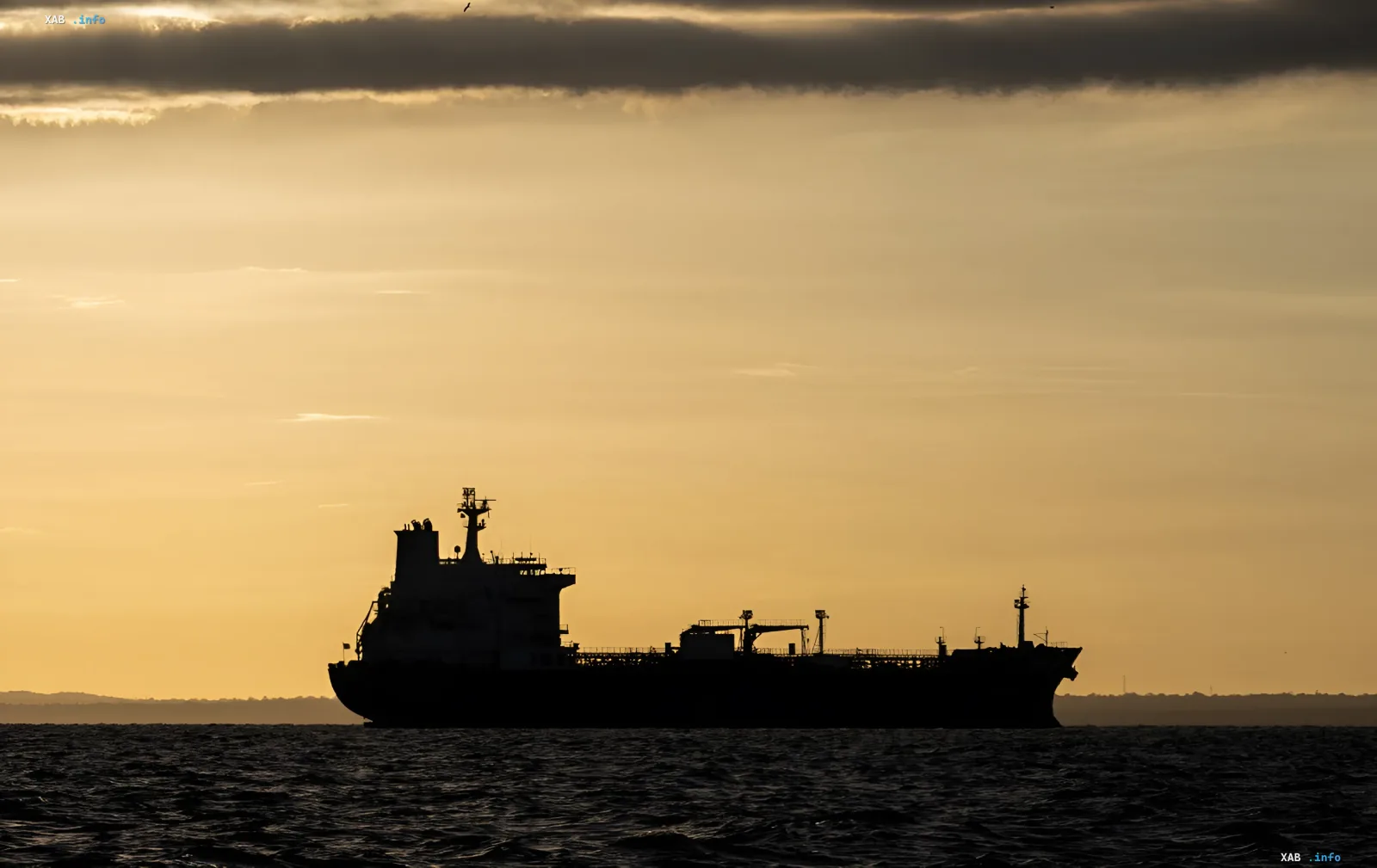
The administration of US President Donald Trump is considering a partial easing of sanctions on the so-called shadow fleet vessels that were previously used to transport oil from the Russian Federation, Iran, and Venezuela. This initiative is being discussed in Washington amid efforts to stabilize the market and lower record-breaking marine freight rates, which are exerting serious pressure on the global economy.
Essence of the Initiative and US Treasury Conditions
It is expected that sanctioned vessels may be allowed to transport exclusively 'legal oil' and petroleum products that are not subject to American restrictions, excluding direct supplies of sanctioned raw materials from Russia or Iran. To obtain this right, shipping and trading companies will be required to submit special official applications to the US Department of the Treasury. The main strategic priority for the American side in this case is to increase fuel exports from the strategically important Persian Gulf region. US Energy Secretary Chris Wright publicly confirmed discussions of these steps in a video address to participants of the World Petroleum Congress in Riyadh.
Contradictory Data
While official representatives of the US Department of Energy claim that the planned easing of sanctions will in no way help Moscow sell its hydrocarbons internationally, authoritative agency Reuters provides entirely different data. According to journalists, the Trump administration aims to quickly return Russian diesel fuel to the global market, which may force relevant agencies to allow its transportation precisely using these tankers. Furthermore, the US Treasury has already issued a temporary license effectively opening the market for Russian petroleum products until April 7, 2027, allowing Moscow to supply millions of tons of fuel.
Stances of the Parties and Geopolitical Context
The American leader himself attributes the current rise in fuel prices not to the escalation in the Middle East, but to systematic Ukrainian drone strikes on Russian refineries. Trump has repeatedly called on official Kiev to halt such attacks, claiming they provoke a global deficit. In Ukraine, such steps by Washington are viewed with extreme skepticism and compared to past controversial agreements; Kiev is prepared to support the softening of the sanctions regime against Russia exclusively in exchange for an energy truce.