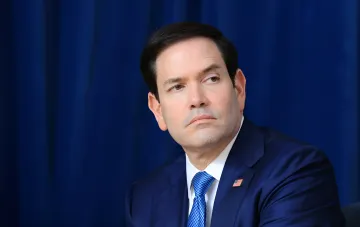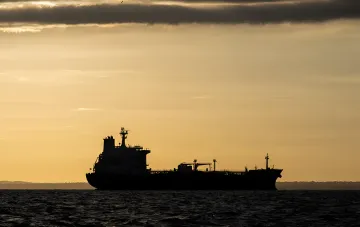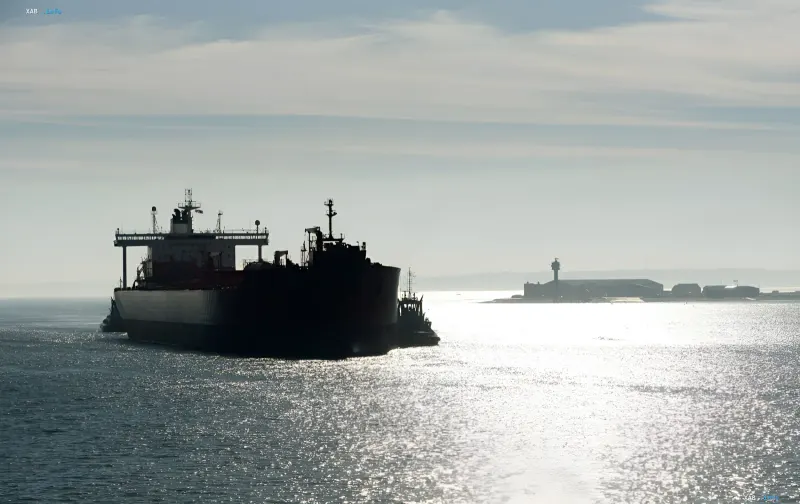
The administration of US President Donald Trump has initiated a procedure that Washington claims will allow some sanctioned tankers to return to legal oil transport. US Energy Minister Chris Wright announced this on Monday, October 19, 2026, during a Citadel Securities event in New York. According to him, the department is developing an approval mechanism that will enable some vessels previously operating around restrictions to be used in a legal status—while the sanctions package itself, Wright emphasized, is not being lifted.
Turning the 'Bad Guy Fleet' into the 'Good Guy Fleet'
Commenting on the initiative, the US Energy Minister used a characteristic formulation: «We will transition some vessels from what I call the bad guy fleet to the good guy fleet. They will no longer transport oil subject to sanctions». Thus, according to him, this is not about lifting restrictions on specific vessels, but about changing their legal status and the profile of the cargo they carry.
Investors Offer to Buy Up Idle Vessels
Wright added that the market is already hearing proposals from investors to buy up tankers standing idle due to sanctions, repair them, and put them into operation to transport oil not subject to restrictions. According to the administration's plan, it is precisely this approval mechanism that is being developed in the White House and the Ministry of Energy to provide a legal basis for such operations.
Washington Emphasizes: Sanctions Are Not Lifted
Separately, the minister emphasized that the Trump administration is not lifting sanctions against vessels that previously transported oil from Russia and Iran. «We are turning shadow fleet tankers into legal ones. There is no lifting of sanctions», Wright stated. According to him, the key difference of the new approach is that vessels granted an agreed status will only be able to work with volumes of oil that do not fall under current restrictions.
Significance of the Initiative for the Market
The initiative affects the so-called «shadow fleet»—a network of tankers that, according to Western agencies, were used to bypass export restrictions. The introduction of a legalization procedure for some of these vessels could change the balance of power in the tanker shipping market and create an additional channel for the legal use of idle vessels. At the same time, as Washington emphasizes, the sanctions regime against Russian and Iranian oil remains in place, and the new rules apply exclusively to changing the status of specific vessels and the nature of the cargo transported.
You can read more about the further development of US sanctions policy against Russia and related topics in the RBC-Ukraine article «Ultimatum Without Guarantees. How Trump is Twisting Zelenskyy's Arms While Putin Prepares a Hard Winter».