Ahead of the midterm elections in November 2026, the administration of US President Donald Trump is implementing a series of measures to curb retail fuel prices, but escalating tensions in the Middle East and a global diesel shortage are posing serious obstacles to the stabilization of the energy market. During morning trading on October 16, global oil prices declined slightly after WTI crude rose by more than 3% in the previous session. Investors are weighing two key factors: risks associated with the conflict in the Middle East and the possibility of easing US sanctions on oil tankers belonging to the so-called "shadow fleet".
Strait of Hormuz and Yemen: A Double Blow to Maritime Security
Pressure on energy markets is mounting as the geopolitical situation in the Middle East becomes more complex. Over the past 10 days, attacks on vessels in the Strait of Hormuz—one of the key shipping routes for global oil trade—have increased. Iran has announced its intention to step up attacks in response to the US blockade of its ports and the imposition of stricter sanctions last month. Concurrently, the escalation of the conflict between Saudi Arabia and Houthi forces in Yemen heightens concerns over maritime security in the Red Sea and the Gulf of Aden. Any disruptions to strategically important shipping routes in the region could further exacerbate the supply situation and trigger a new round of energy price increases.
The "Shadow Fleet" as a Tool: What Washington is Considering
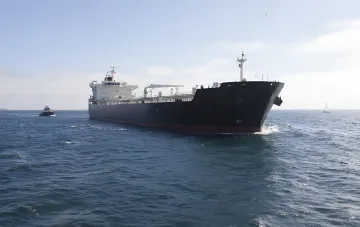
In an effort to curb rising fuel prices, the Trump administration is considering lifting sanctions on a portion of the vessels belonging to the "shadow fleet" that transports crude oil and petroleum products from Russia, Iran, and Venezuela. According to a US official, options are being discussed to permit the sale of blacklisted vessels to legitimate operators and to lift sanctions on a case-by-case basis so these vessels can operate on the global market. Consideration of this issue began just days after Trump temporarily lifted sanctions on Russian diesel fuel. At the same time, the White House is pressuring allies to increase diesel supplies to the market, threatening to impose a ban on its exports. The president also signed an executive order allowing the duty-free use of red-dyed diesel fuel on public roads.
Inflation and Retail Prices: Figures Pressuring the White House
Data published this week showed that consumer inflation in the US rose to 3.7% in September 2026 as fuel prices rebounded and their effects spread throughout the economy. As of October 15, the average retail price of diesel fuel in the US reached $6.31 per gallon, close to the record high of $6.53 per gallon recorded in recent weeks. Measures taken by the administration—ranging from duty-free use of red diesel to pressure on allies—have not yet led to a significant decline in retail prices, increasing political pressure on the White House during the pre-election period.
Analysts: Impact of Sanction Easing is Limited
Expert assessments agree that easing sanctions on the "shadow fleet" is unlikely to have a substantial impact on oil prices in the short term. According to consulting firm Energy Aspects, approximately 13–19% of the global tanker fleet is under US sanctions, but the advanced age and poor maintenance of many vessels limit the potential for a significant increase in their actual carrying capacity. Research group Kpler argues that this measure has virtually no effect on the current crisis in petroleum shipping, as higher fuel prices are driven primarily by rising geopolitical risks in the Middle East rather than simply a shortage of ships. Analysts conclude that Washington is doing everything possible to lower prices before the elections, but the effectiveness of these measures will be limited unless the root causes of market instability are addressed.
Outlook: What's Next
According to S&P Global, policymakers' attention has shifted from crude oil supply issues to matters of distribution and transportation of refined petroleum products. In an environment where the market simultaneously faces a diesel shortage, risks of disruptions in the Strait of Hormuz, and escalation in Yemen, even a significant increase in tanker fleet throughput does not guarantee a rapid decline in retail prices. For the Trump administration, this means that until November 2026, it will have to combine sanction flexibility with diplomatic pressure on allies and, potentially, direct interventions in logistics to prevent price growth amid the election campaign.