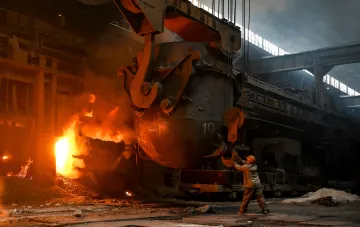
The Ukrainian mining and metallurgical complex (MMC) has faced the most severe crisis in the history of the country's independence. According to analytical data from the GMK Center, steel production in Ukraine plummeted by 57.3% year-on-year in August 2026, dropping to just 277,000 tons. Amid ongoing destructive attacks on industrial facilities, an acute energy crisis, and logistical bottlenecks, experts warn of a realistic threat that steelmaking operations could completely halt as early as October.
A Perfect Storm for the Metallurgical Sector
The industry has found itself caught in a perfect storm of compounding negative factors. Export performance has deteriorated drastically, with iron ore supplies dropping by 27% and long products falling by 45.8% over the first eight months of the year. In August, semi-finished product exports collapsed by 76%, while pig iron shipments effectively stalled. These developments pose a severe threat not only to major producers like Metinvest, ArcelorMittal Kryvyi Rih, and Interpipe, but also to Ukraine's overall macroeconomic stability, draining vital export revenues and jeopardizing hundreds of jobs.
Financial Losses and the Recovery Challenge
The state budget is also suffering massive losses as tax revenues from heavy industry contract. The paramount challenge right now is the physical reconstruction of destroyed production facilities following Russian missile strikes. There is no global precedent for restoring massive metallurgical complexes after military destruction. Conducting technical audits, clearing rubble, and ordering specialized custom equipment require astronomical financial resources that companies no longer possess after years of war.
Rescue Pathways and International Support
As a crucial remedy, industry experts propose establishing a Special Steel Industry Recovery Fund, modeled after existing energy support funds. This mechanism could accumulate grants and concessional loans from international financial institutions. Furthermore, saving the sector requires urgent government actions, including priority logistics for Ukrzaliznytsia near front-line zones, relief from strict electricity import mandates, scrap export duties to retain domestic raw materials, and the unblocking of Black Sea ports.