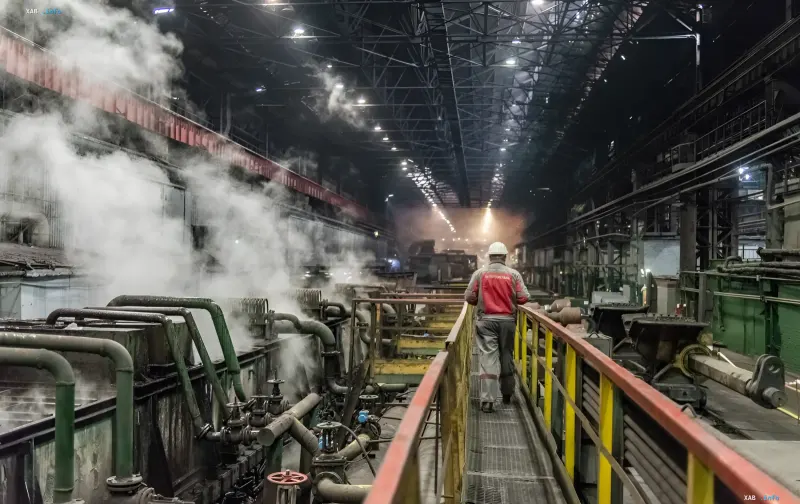
The Ukrainian metallurgical industry has faced an unprecedented crisis in its modern history. According to representatives of the Metinvest Group, September 2026 marked a week when Ukrainian metallurgy failed to smelt a single ton of steel for the first time in the last 100 years. This situation is the direct result of systematic and destructive strikes by the Russian Federation against the country's key industrial facilities.
Scale of Destruction and Colossal Losses
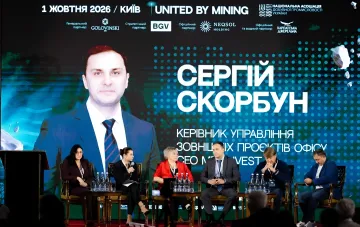
As Oleksandr Vodoviz, Head of the General Director's Office of the Metinvest Group, stated during the "Economic Resilience Forum" by Forbes Ukraine, the industry's infrastructure has suffered catastrophic damage. According to him, absolutely all specialized plants have been destroyed, with many facilities hit multiple times by missiles and drones, resulting in casualties and the complete halt of production processes. As an example, Zaporizhstal is cited: restarting just a single blast furnace after repairs from shelling damages requires at least $50 million, while the cost of building or fully replacing the furnace itself is estimated at about $500 million. In total, the industry's reconstruction needs are measured in billions of dollars.
Inefficacy of Existing State Programs
Existing state support instruments for big business are recognized as inadequate to the current scale of destruction. Most operating programs are oriented primarily toward small and medium-sized enterprises, offering extremely limited funding volumes. For instance, the "Point of Support" program, which partially compensates for salary expenses during forced downtime, has a nationwide budget of only 1 billion hryvnias, which is insufficient for large industrial employers. Metinvest's management emphasizes that the company is not asking for direct subsidies or non-refundable grants, but insists on equal conditions, the revision of export quotas, and the reduction of state regulatory pressure.
Factors for Production Resume and External Challenges
Resuming the full-scale operation of metallurgical plants currently depends on three key factors, among which foreign trade restrictions are of critical importance. Additional negative pressure on Ukrainian exporters is exerted by the European Carbon Border Adjustment Mechanism (CBAM) and strictly reduced quotas for importing domestic steel into the European Union. At the same time, the launch of state war risk insurance mechanisms is positively evaluated, as it can reduce logistics costs. Nevertheless, the industry's core demand remains the creation of a targeted government strategy for heavy industry that accounts for wartime realities and the need to preserve Ukraine's industrial potential.