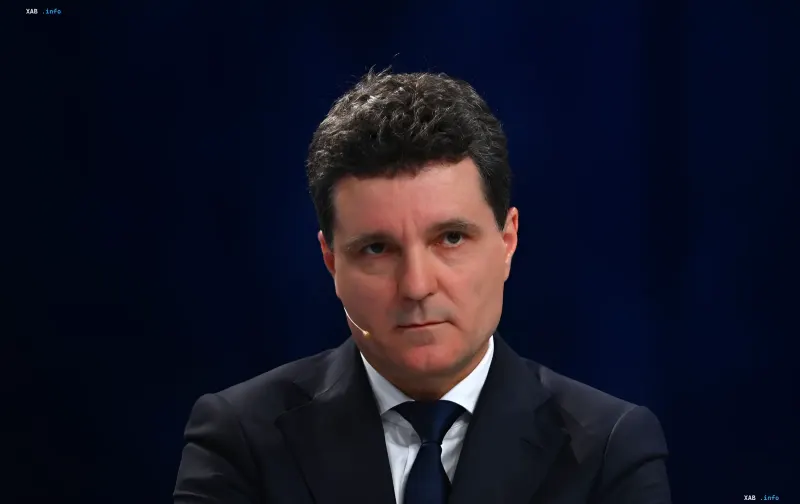
Romanian President Nicușor Dan stated that the prospects for achieving peace in Ukraine may significantly improve only by the spring of 2027. He said this upon arriving at the European Council meeting in Brussels, while responding to questions about the possibility of the war ending before the end of 2026. "At this moment, I am not very optimistic," noted the head of the Romanian state, emphasizing that he does not see a diplomatic breakthrough in the short term.
Winter as a pressure factor
According to Dan, Moscow expects the winter period to work in its favor: the difficulties in the operation of Ukraine's energy infrastructure, he assessed, will become a tool for exerting pressure on Ukrainian society. That is why, the Romanian President claims, the winter of 2026–2027 will be a test of endurance for Kyiv and its allies, rather than a window for negotiations.
Supporting Ukraine and pressuring Russia
Dan emphasized that to shift the situation toward peace, it is necessary to continue support for Ukraine and intensify pressure on Russia. He also expressed confidence that European countries will participate in further discussions and negotiations to end the war, meaning Brussels does not intend to leave the negotiation agenda exclusively to Washington and Moscow.
Context: positions of other leaders
Dan's assessment aligns with sentiments recently expressed by a number of European politicians. In particular, Finnish President Alexander Stubb previously did not believe that the war in Ukraine would end by the end of 2026 and urged preparation for a difficult winter. On the American side, US Presidential Special Envoy Jared Kushner stated on the MD Meets podcast that the territorial issue hinders settlement and that negotiations are "currently somewhat at an impasse on the territorial issue," suggesting that post-war architecture should be discussed before talking about concessions.
What this means for the negotiation track
In total, the statements of European and American officials paint a picture where the winter of 2026–2027 is viewed as a period of energy and social tension, rather than a phase of active negotiations. Spring 2027 was named by the Romanian leader as a milestone, by which, provided support for Ukraine and pressure on Russia are maintained, the chances for peace may increase. Thus, the diplomatic track is, in essence, being extended to a longer horizon, and the key factor in the coming months becomes the ability of Ukraine and its allies to maintain the energy system and negotiation positions under winter conditions.