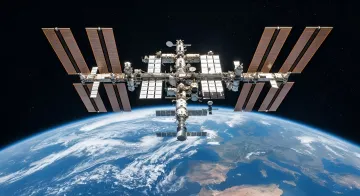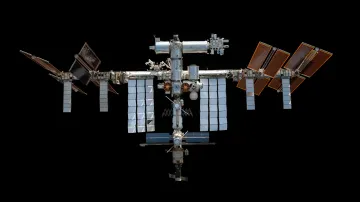
The Russian space agency Roscosmos has officially confirmed the extension of the joint operation of the International Space Station (ISS) until 2030. This decision aligns Russia's plans with the position of the project's other partners — NASA, ESA, CSA, and JAXA, who approved support for the station three years ago. Previously, Moscow had only confirmed participation until 2028.
Key outcomes of negotiations in Baikonur
The decision was announced by Roscosmos General Director Dmitry Bakanov following a meeting with NASA Administrator Jared Isaacman. The American official's visit to Baikonur was the first in the last 8 years. During the negotiations, the parties recorded three main outcomes:
- Confirmation of joint work on the orbital station until 2030.
- Detailed coordination of satellite constellations to prevent collisions.
- Exchange of technical data on national orbital stations for possible future cooperation.
Risks of collisions in orbit
Particular attention in the dialogue was paid to the coordination of satellite constellations. The initiative came from NASA, which expressed concern about collision risks. The Russian constellation consists of hundreds of spacecraft, while the American one has thousands. Dmitry Bakanov called NASA's request "a very logical request," noting that collisions cannot be allowed. The parties agreed on close interaction in this direction.
Successful launch of Soyuz MS-29
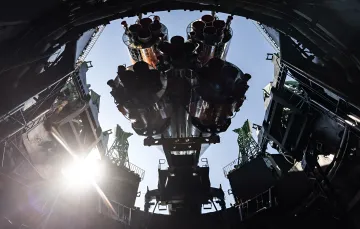
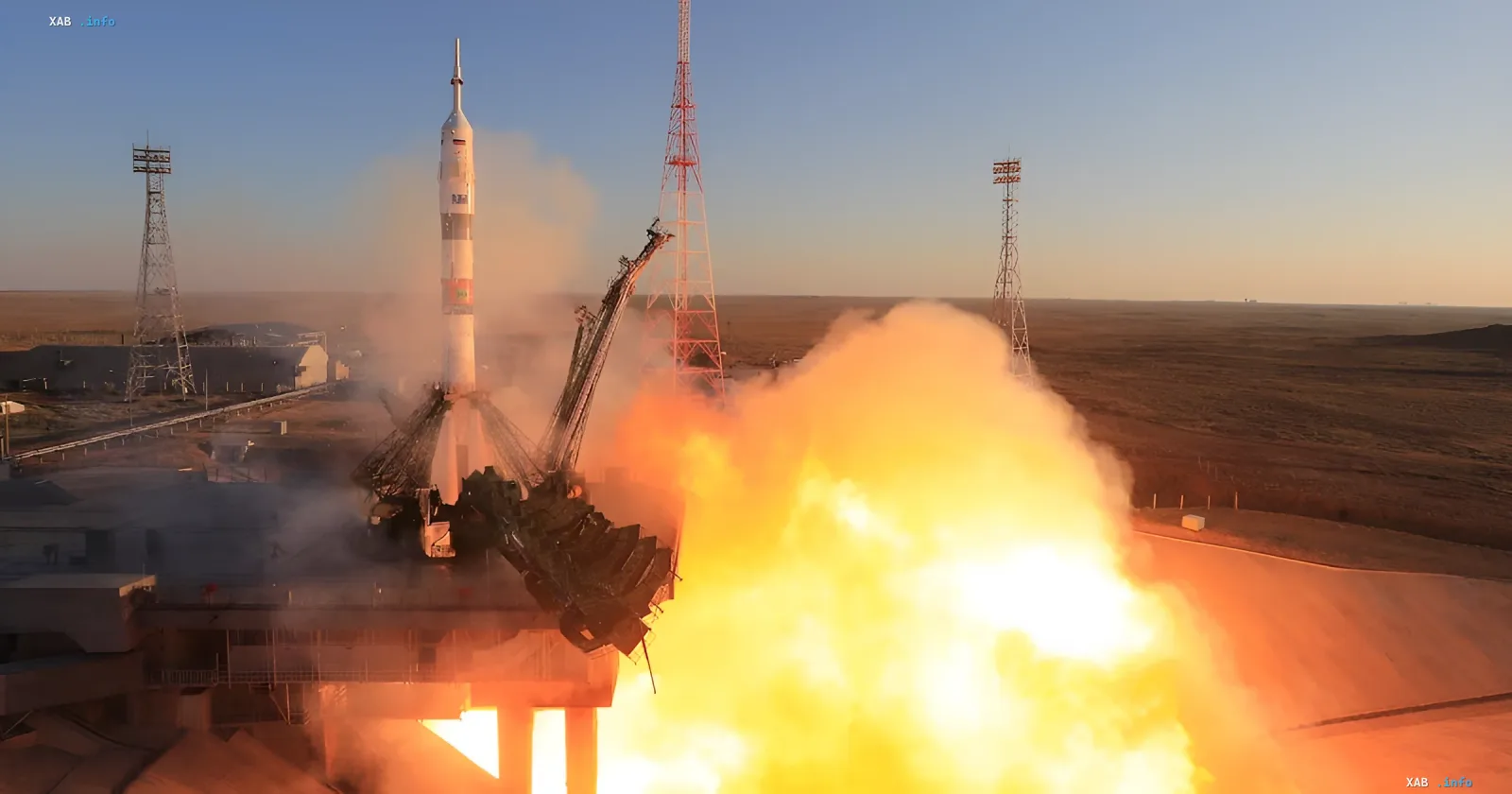
Against the backdrop of diplomatic negotiations in Baikonur, the technical part of the mission was also successful. On July 14 at 17:48 Moscow time, the Soyuz-2.1a carrier rocket with the manned spacecraft Soyuz MS-29 launched. At 20:52, the spacecraft docked with the ISS.
Aboard were Roscosmos cosmonauts Petr Dubrov and Anna Kikina, as well as NASA astronaut Anil Menon. The crew plans to spend 261 days on the station.
As part of the visit, Jared Isaacman also left an entry in the guest book of the Baikonur hotel, indicating his callsign — Rook.